
11 Travel Tips for When Your Knees or Hips Complain
This article is general information, not medical advice. Talk to your doctor, pharmacist or physical therapist about your own health and safety needs. How we check facts.

Sore knees, a stiff hip or a recent joint replacement do not mean your traveling days are over. They do mean that a little planning goes a long way. Long airport walks, cramped seats, steep stairs and cobblestone streets can turn a dream trip into an exhausting one, while a few smart choices make the same trip comfortable.
The tips below come from experienced travelers and from the services airlines, hotels and cruise lines already offer, often for free, to anyone who asks. You do not need a disability placard or a wheelchair at home to use them.
If you have had recent surgery or have a medical condition, talk to your doctor before a long trip, especially about flying, blood clots and how much walking is realistic.
1.Ask for Airport Wheelchair Assistance
Under the federal Air Carrier Access Act, airlines must provide free wheelchair assistance through the airport to passengers who need it, from check-in to the gate and from the plane to baggage claim. You do not need to use a wheelchair at home to request one.
Request assistance when you book or call the airline at least 48 hours before your flight. Remind the agent at check-in. An attendant pushes the chair, which is a huge help on long concourses and tight connections. Tipping the attendant is customary in the US, though not required.
2.Choose Your Seat Carefully
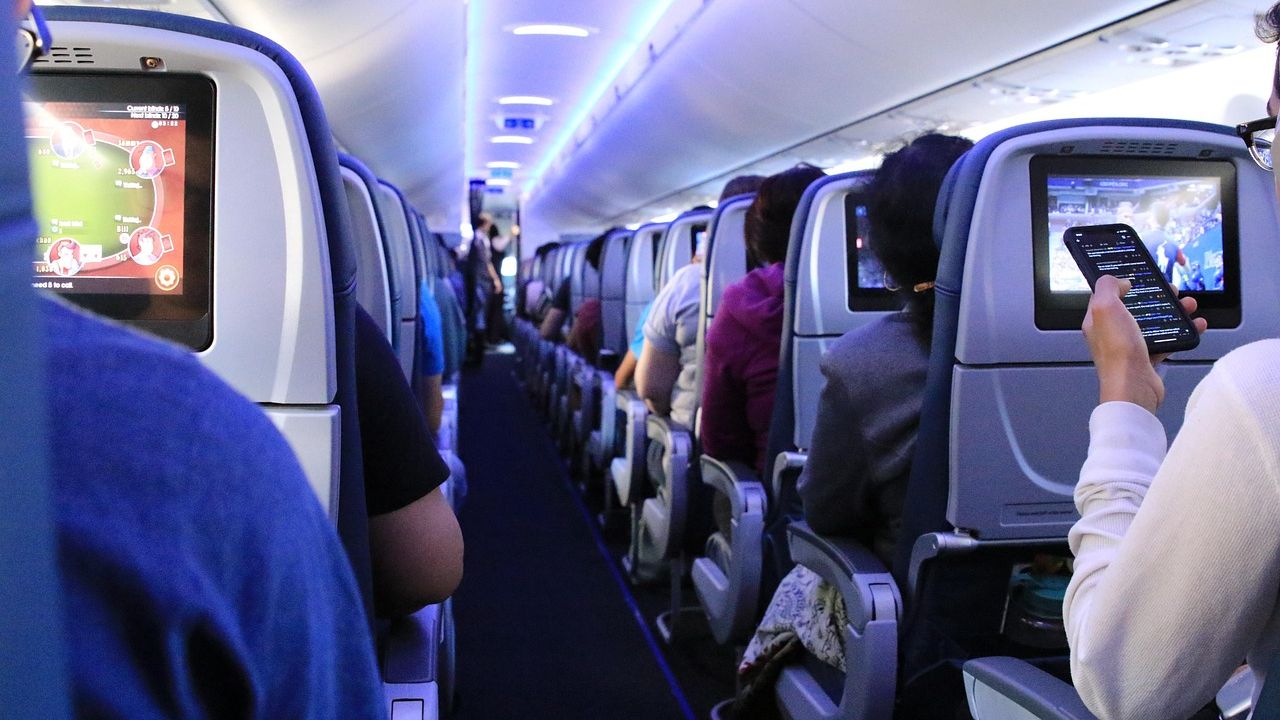
An aisle seat lets you stretch one leg into the aisle and get up to walk without climbing over other passengers. Bulkhead rows offer more legroom in some planes, but the armrests usually do not lift, which makes getting in and out harder for some people.
Paying for an extra-legroom seat may be worth it on long flights. Avoid seats in exit rows if you could not easily help in an emergency. On trains, choose a seat near the door and restroom. Get up, stretch and walk every hour or two when it is safe to do so.
3.Pre-Board the Plane

Most airlines let passengers who need extra time or help to board before everyone else. Pre-boarding means you can walk down the jet bridge at your own pace, settle into your seat and stow your bag without a line of impatient travelers behind you.
Tell the gate agent you would like to pre-board when you arrive at the gate. If you used wheelchair assistance, you will usually be pre-boarded automatically. Ask a flight attendant for help lifting a bag into the overhead bin, or better yet, pack light so you do not need to lift at all.
4.Pack Light and Use Spinner Luggage

Heavy suitcases strain knees, hips and backs, especially on stairs, curbs and in and out of cars. A lightweight suitcase with four spinner wheels can be pushed beside you instead of dragged behind, which is easier on your joints and your shoulders.
Pack less than you think you need, and plan to do laundry on longer trips. Check your bag rather than carrying it on if lifting it into an overhead bin is difficult. Luggage forwarding services can even ship your bags ahead to your hotel for a fee.
5.Request the Right Hotel Room

When you book, ask for a room near the elevator to avoid long hallways, and on a lower floor if stairs might be needed in an emergency. Ask whether the room has a walk-in shower rather than a tub, and whether grab bars are available.
Accessible rooms usually have wider doors, grab bars, roll-in showers and lower beds. Hotels must hold them for guests with disabilities, but some release them to other guests when unbooked. Call the hotel directly to confirm your request, since online booking notes are not always seen.
Page 1 of 3