
11 Travel Tips for When Your Knees or Hips Complain
6.Bring Your Own Comfort Tools

A few small items make travel much easier: a firm seat cushion to raise a low chair or car seat, a folding cane or walking stick for uneven ground, a lightweight reacher for dropped items, and a small heat or ice wrap for sore joints at the end of the day.
If you use a walker or cane at home, bring it. Canes and walkers can usually go through airport security and be stored on the plane. A folding travel cane fits in a tote bag. Comfortable, supportive shoes are the most important item of all, so do not save new shoes for the trip.
7.Plan Shorter Days and Rest Breaks

Instead of trying to see everything in a day, plan one main activity each morning and leave the afternoon free to rest. Joints feel better with regular breaks, and you will enjoy what you do see far more.
Look for places to sit along the way, such as cafes, benches and museum lounges. Many museums lend free wheelchairs at the entrance. Some offer folding stools you can carry through the galleries. Stay longer in fewer places rather than changing hotels every night, which means less packing and lifting.
8.Choose Tours That Match Your Energy
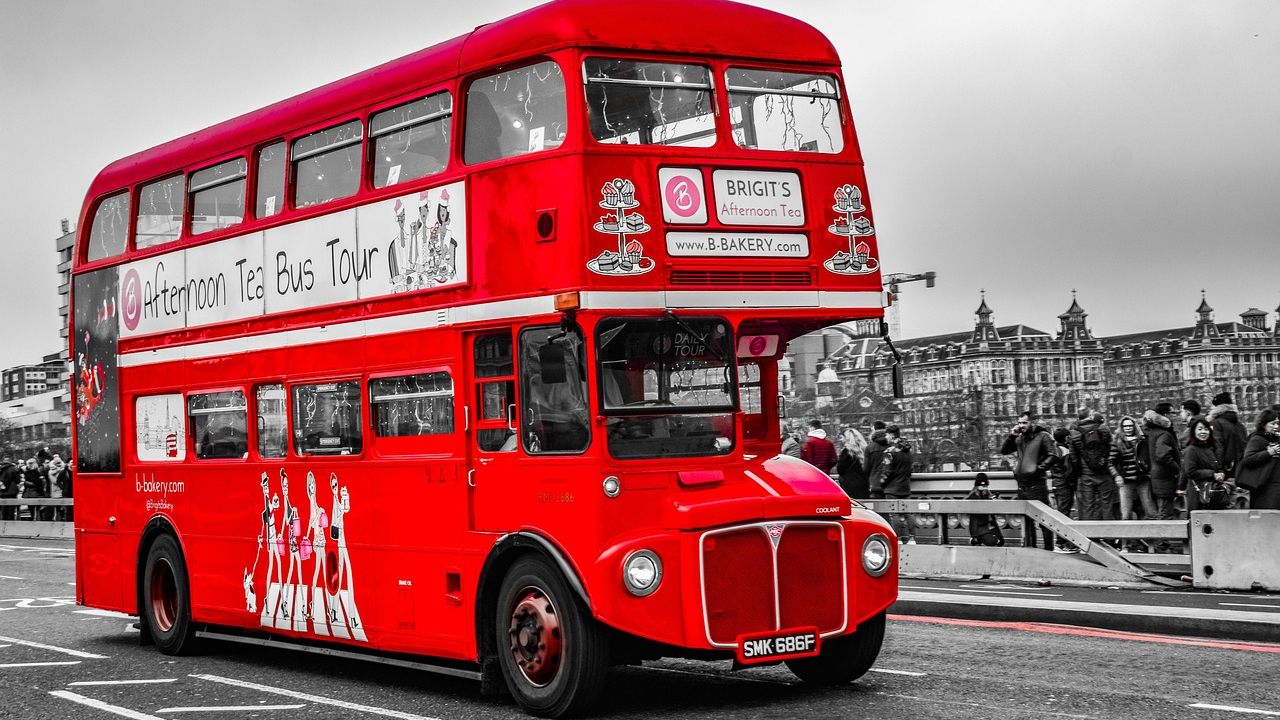
Tour descriptions often rate activity levels, so read them carefully. Look for details about how much walking, standing and climbing are involved, whether there are stairs, and whether the ground is uneven. "Easy" on one tour may be "moderate" on another.
Hop-on, hop-off buses, boat tours, scenic train rides and private drivers let you see a lot with little walking. Many tour companies offer slower-paced trips designed for older travelers. Ask questions before you book, and do not be shy about explaining your needs.
9.Mind the Cobblestones and Stairs

Old European towns, historic districts and many beautiful places were built long before ramps and elevators. Cobblestones, steep streets and long staircases can be hard on knees and hips and are a common cause of trips and falls.
Research your destination before you go. Choose hotels on flatter ground, close to public transportation. Wear shoes with good grip and support, take your time, and use handrails. Taxis and rideshares are worth the cost for short trips up steep hills. A walking stick adds stability on uneven paths.
10.Keep Moving on Long Trips
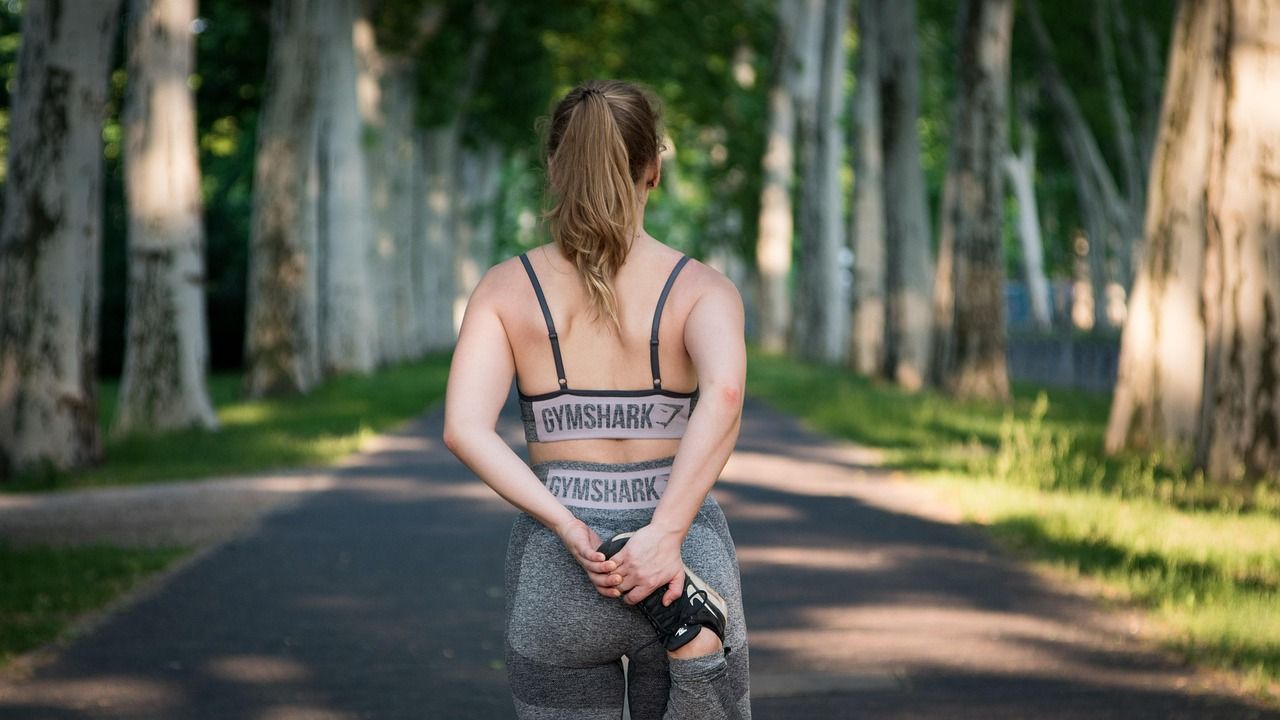
Sitting still for hours stiffens joints and slows circulation. On planes, trains and long car rides, flex your ankles, roll your shoulders and straighten your legs every half hour or so, and get up to walk whenever you can.
On road trips, plan to stop every one to two hours to stretch your legs. Staying hydrated helps too. If you have had a joint replacement or are at risk of blood clots, ask your doctor about compression socks and other precautions before a long trip.
Page 2 of 3