
12 Warning Signs of a Phone or Text Scam
This article is general information, not financial or legal advice. Prices, rules and offers change, so check with the provider or the official source before you decide. How we check facts.

Scammers target people of every age, but older adults often lose the most money when it happens, because they are more likely to have savings, a paid-off home and a habit of being polite to whoever is on the line. The Federal Trade Commission reports every year that people over 60 lose more per incident than younger adults, especially to impostor and investment scams.
The good news is that almost every scam follows the same small set of tricks. Once you know them, they become surprisingly easy to spot. Read through the twelve warning signs below, then share the list with a friend, a sibling or a neighbor who lives alone.
One simple step helps more than any other: agree on a family code word that only real relatives know, and ask for it whenever someone calls claiming to be in an emergency. A real grandchild will laugh and say it. A scammer will make an excuse.
1.They Rush You

Scammers create panic so you act before you think. The caller may say your account will be frozen in an hour, a warrant is about to be issued, or a loved one will stay in jail unless you pay today. Pressure is the tool, because a calm person asks questions and a frightened person follows orders.
Real banks, government agencies and hospitals give you time to check. If anyone insists you must pay or decide right now, and especially if they tell you to stay on the line while you go to the bank, treat that as the clearest sign of all. Hang up. Nothing legitimate is lost by calling back later.
2.They Want Gift Cards or Crypto
No government agency or legitimate business asks to be paid with gift cards, wire transfers, cryptocurrency, a payment app to a stranger or a courier who comes to your door to pick up cash or gold. Scammers love these methods because the money is almost impossible to trace or get back once it is gone.
If a caller tells you to buy gift cards and read the numbers off the back, you are talking to a scammer, full stop. Store clerks are trained to watch for this, so if a cashier asks whether someone told you to buy the cards, take the question seriously. They are trying to help you.
3.A Grandchild Is in Trouble

A caller claims to be a grandchild in jail, in a car accident or stuck abroad, and begs you not to tell Mom and Dad. Sometimes a second person comes on as a lawyer or police officer. With today's AI tools, scammers can even copy a short clip of a real voice from social media, so the voice may sound right.
The secrecy is the giveaway. Hang up and call your grandchild on the number you already have, or call their parents. Ask the caller a question only family would know, or for your family code word. Real emergencies survive a five-minute check. Scams do not.
4.Medicare or Social Security Is Calling
Impostors pretend to be from Medicare, Social Security or the IRS and say your number has been suspended, your benefits will stop or you owe a penalty. They may already know part of your Social Security number and use it to sound official.
Social Security says it will never threaten you with arrest, suspend your number or demand immediate payment by gift card, wire or cash. Medicare will not call to sell you anything or to ask for your Medicare number to send a new card. If you are worried, hang up and call the agency yourself using the number on its official website or on a letter you already have.
5.A Pop-Up Says Your Computer Is Infected
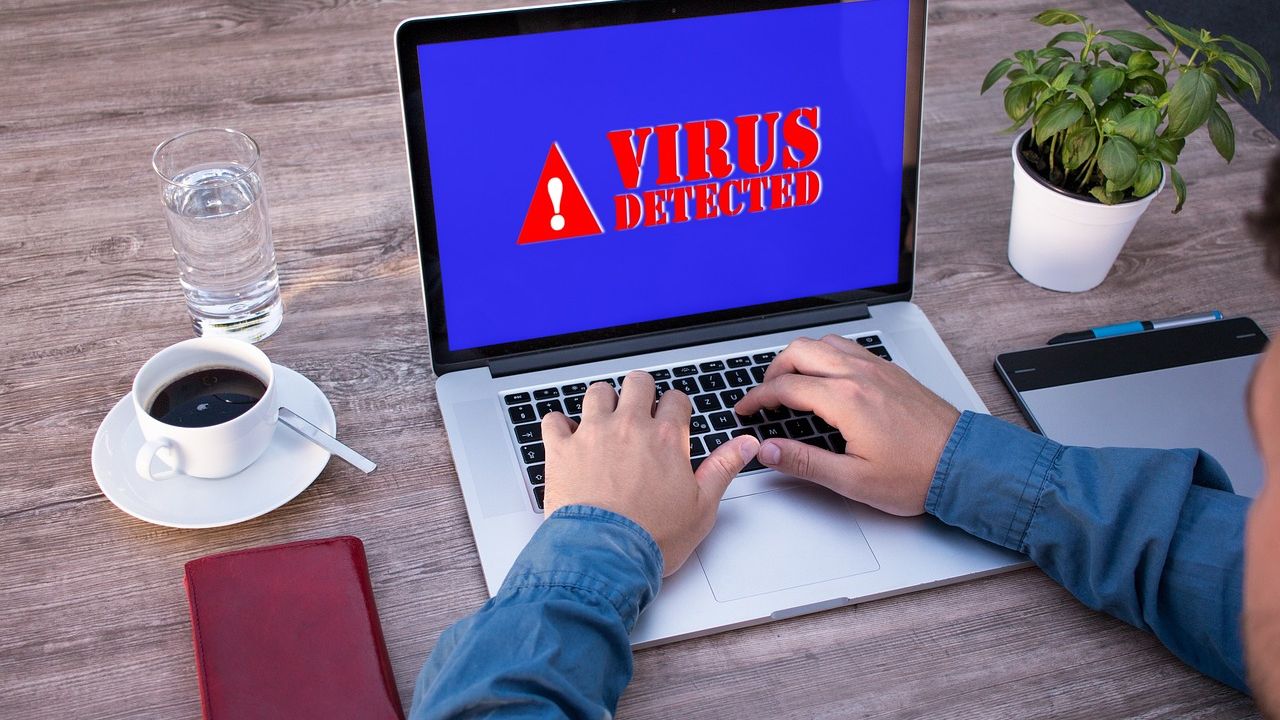
A box flashes up saying your computer is infected or your account has been hacked, often with a loud alarm and a phone number to call. Some pages even lock your browser so it seems you cannot close them. The person who answers asks to connect to your computer and then charges you for repairs you did not need, or empties your bank account while they are in.
Real tech companies like Microsoft and Apple do not put phone numbers in warning pop-ups. Close the browser, or restart the computer if you have to. Never call the number and never let a stranger connect to your computer remotely.
Page 1 of 3