
12 Warning Signs of a Phone or Text Scam
6.A Text About an Unpaid Toll
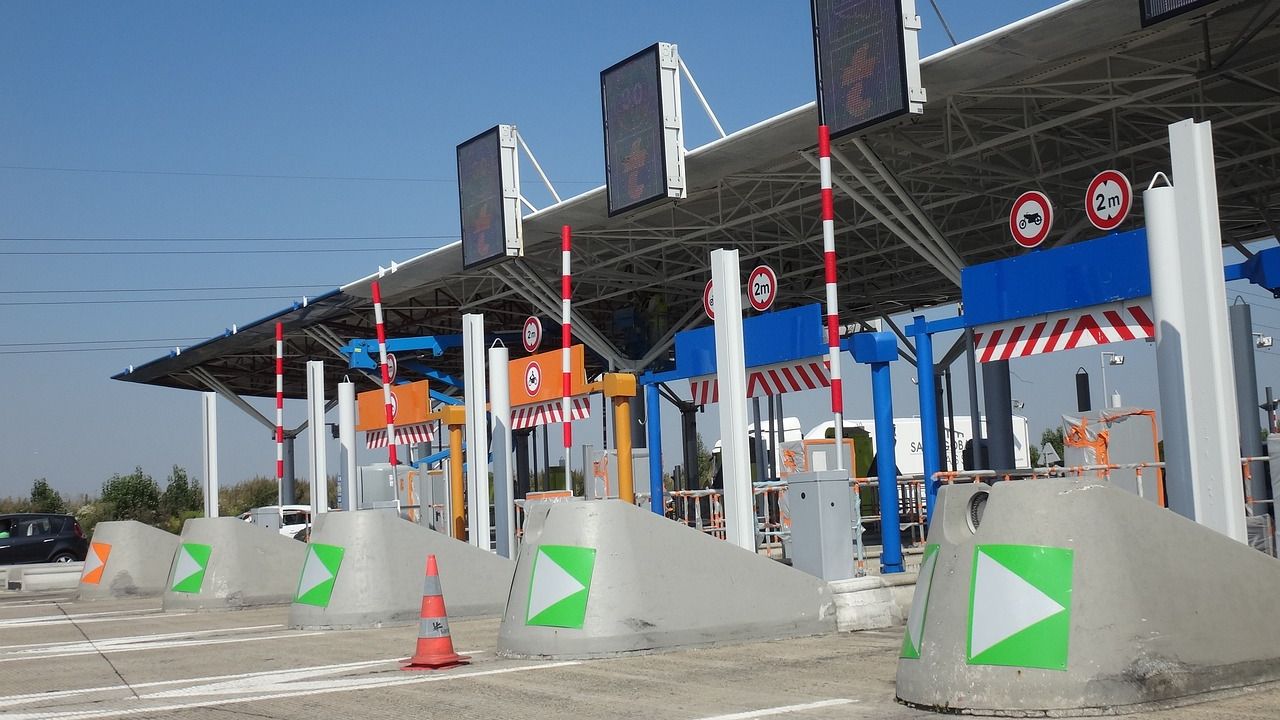
Texts saying you owe a small unpaid toll, parking ticket or traffic fine have become one of the most reported scams in recent years, according to the FTC. The message includes a link to a page that looks like a real toll agency and asks for your card number to avoid a late fee.
Do not tap the link, even to see what it says. If you think you might owe a toll, open the toll agency's official app or type its website address yourself. Then delete the text and report it as junk. You can also forward scam texts to 7726 (SPAM), which most US carriers use to block them.
7.A Package Delivery Problem
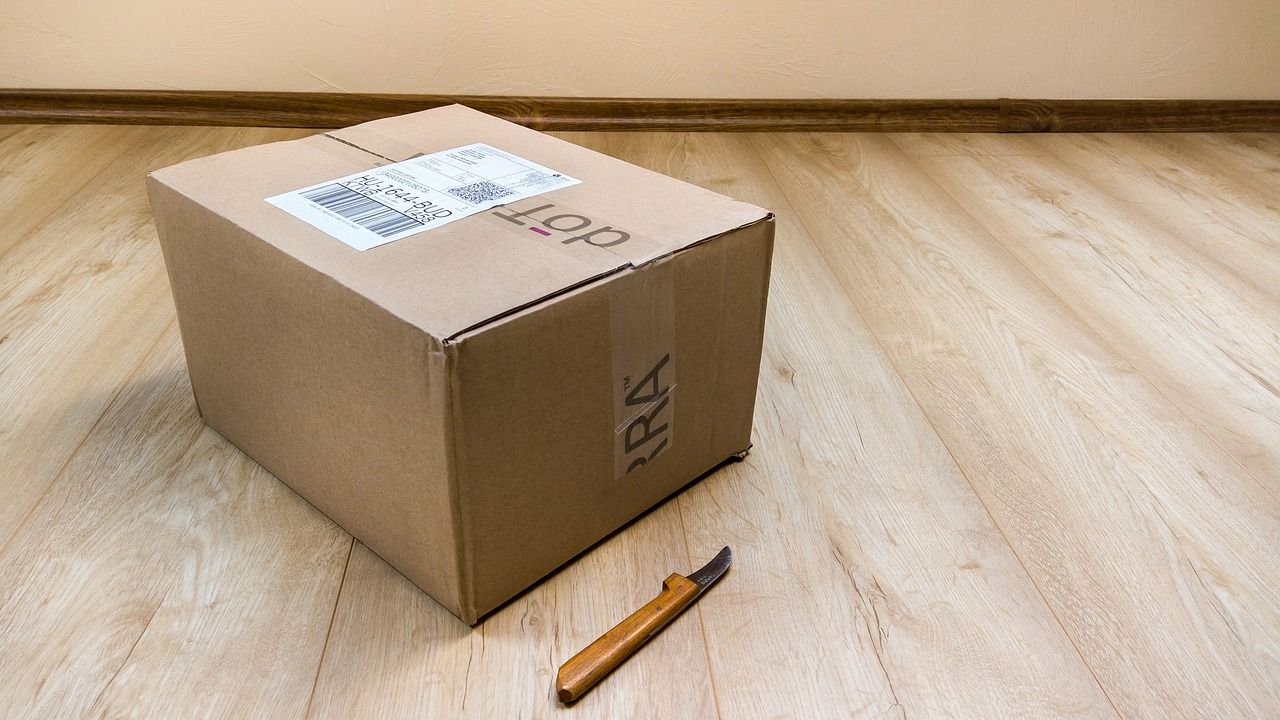
A text or email says a package could not be delivered and asks you to pay a small redelivery or customs fee. Because so many of us shop online, the message often arrives on a day you are actually expecting something, which makes it easy to believe.
The real goal is your card details. Carriers like USPS, UPS and FedEx do not text you asking for payment to deliver a package you already paid for. Track packages only through the retailer's website or the tracking number in your original order email, and never through a link in an unexpected message.
8.You Won, but Must Pay First

A caller or letter says you won a lottery, a sweepstakes or a new car, but you need to pay taxes, fees or shipping first. Some versions use the names of real publishers or lotteries to sound believable, and the prize may be a life-changing amount.
A real prize never requires you to pay up front. It is also illegal for a sweepstakes to make you pay to collect a prize in the United States. And the simplest test of all: if you never entered a contest, you did not win one. Hang up, do not share any details, and throw the letter away.
9.Your Bank Asks You to Move Money
The caller says they are from your bank's fraud department and that someone is trying to steal your money. To protect it, they say, you must move your savings to a new "safe account," withdraw cash for an agent to collect, or read them a code that was just texted to you.
Your bank will never ask you to do any of that. Those one-time codes are there to stop exactly this kind of theft, so never read one to someone who called you. Hang up and call the number on the back of your card. If there really is a problem, the bank will still know about it.
10.Caller ID Looks Official
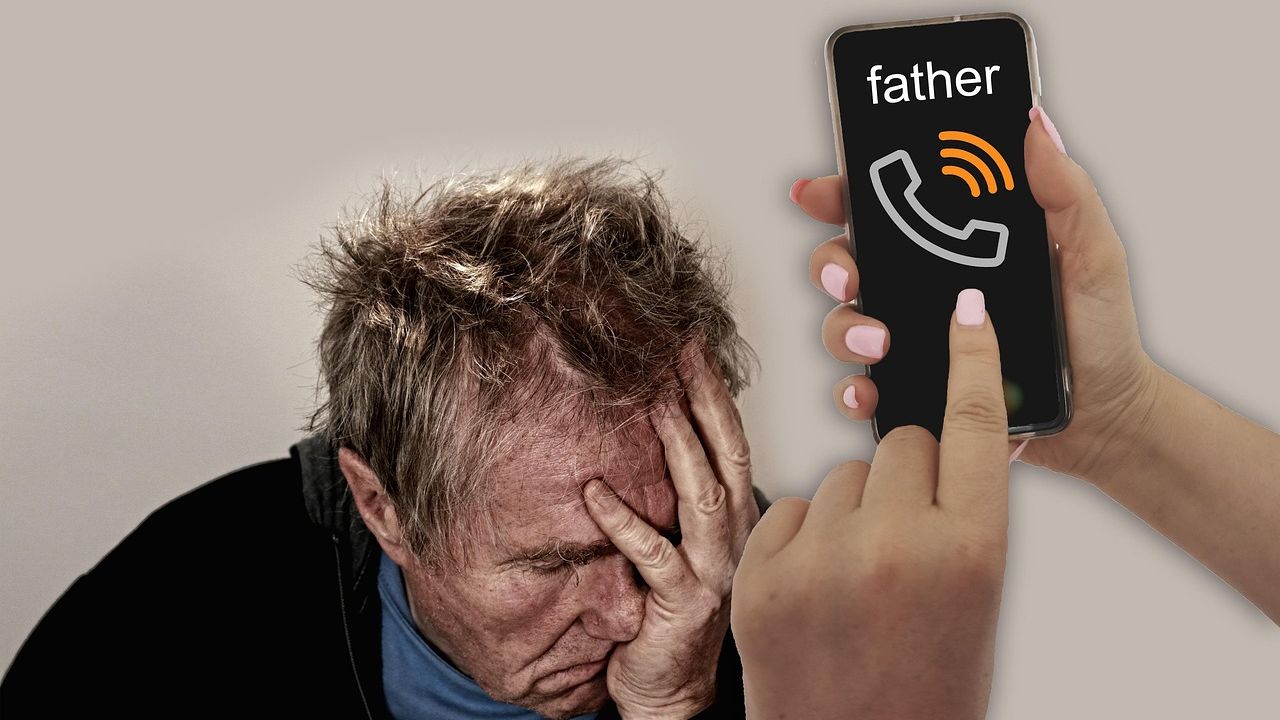
Scammers can easily fake the name and number that show up on your screen, a trick called spoofing. A call that appears to come from your bank, your local police department or even the Social Security Administration may still be a scam.
Do not rely on caller ID to decide who is calling. If the call asks for money, personal details or quick action, end it and call the organization back on a number you look up yourself. Many phones also have a setting to silence unknown callers, which sends them to voicemail, where real callers will leave a message and scammers usually will not.
Page 2 of 3