
12 Simple Home Changes That Help Prevent Falls
 By Tonya Rakhtorina
Published
This article is general information, not medical advice. Talk to your doctor, pharmacist or physical therapist about your own health and safety needs. How we check facts.
According to the CDC, more than one in four adults aged 65 and older falls each year, and falls are the leading cause of injury in that age group. A fall can mean a broken hip or wrist, a long recovery and, just as often, a new fear of moving around that makes people less active and less steady over time.
The good news is that many falls happen at home, in places we walk through every day without thinking: the bathroom at night, the stairs with a basket of laundry, the kitchen when reaching for a high shelf. That means many falls can be prevented with small, affordable changes, most of which take an afternoon and cost less than a dinner out.
Walk through your home with fresh eyes, room by room, and see how many of these you can check off. If you rent, many of these changes are temporary or easy to undo, and landlords will often agree to grab bars when asked.
1.Remove or Secure Throw Rugs
Loose rugs are one of the most common tripping hazards in any home. The edges curl, corners flip up, and small mats slide on smooth floors, especially when you are wearing socks or slippers. A rug you have stepped over safely for years can catch a toe on the one day you are tired or carrying something.
The safest choice is to remove throw rugs altogether, especially in hallways and at the top or bottom of stairs. If you love a rug and want to keep it, secure it with double-sided rug tape or a non-slip rug pad underneath, and replace any rug whose edges have started to curl.
2.Add Night-Lights
Many falls happen on the way to the bathroom at night, when we are half asleep and our eyes have not adjusted to the dark. Fumbling for a lamp or walking by memory is exactly when a misplaced shoe or a pet becomes a hazard.
Plug-in night-lights in the hallway, the bedroom and the bathroom make those trips much safer. Motion-activated ones turn on only when you walk past, so they will not disturb your sleep, and many use LED bulbs that cost pennies a year to run. A small lamp you can switch on before getting out of bed is another simple fix.
3.Install Grab Bars
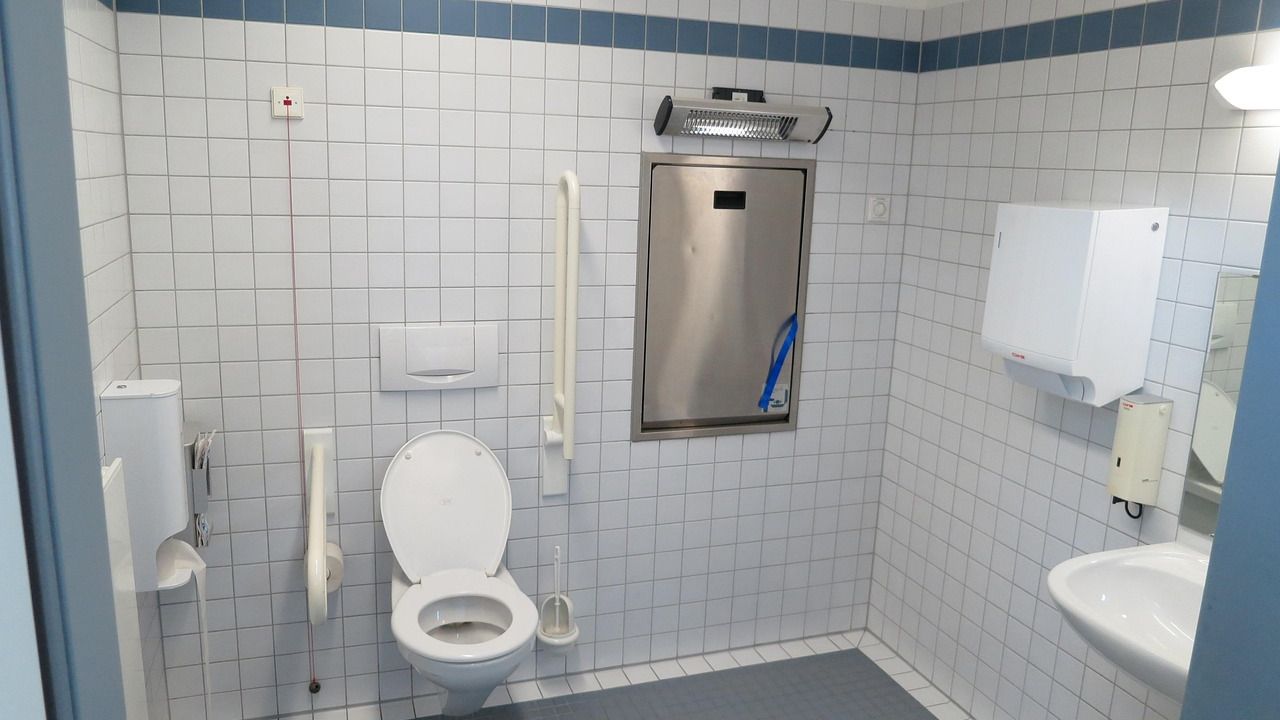
Put sturdy grab bars next to the toilet and both inside and outside the tub or shower. The bathroom combines hard surfaces, water and movements like sitting, standing and stepping over a tub edge, which makes it one of the riskiest rooms in the house.
A towel bar is not a grab bar. It is designed to hold a damp towel, not a person, and can pull out of the wall if you lean on it. Grab bars should be screwed into wall studs or installed with proper anchors. If you are not handy, a local handyman can usually install two or three in under an hour.
4.Use Non-Slip Mats
Wet tubs and shower floors are slippery even for young, steady people. A rubber suction mat or adhesive non-slip strips inside the tub give your feet something to grip, and they are inexpensive and easy to add.
Do not forget the floor outside the tub. Stepping out onto wet tile is when many bathroom falls happen. Use a bath mat with a rubber backing that stays in place, and keep a towel within reach so you can dry your feet before you step out. Clean mats regularly, since mildew can make them slippery too.
5.Put Railings on Both Sides of Stairs
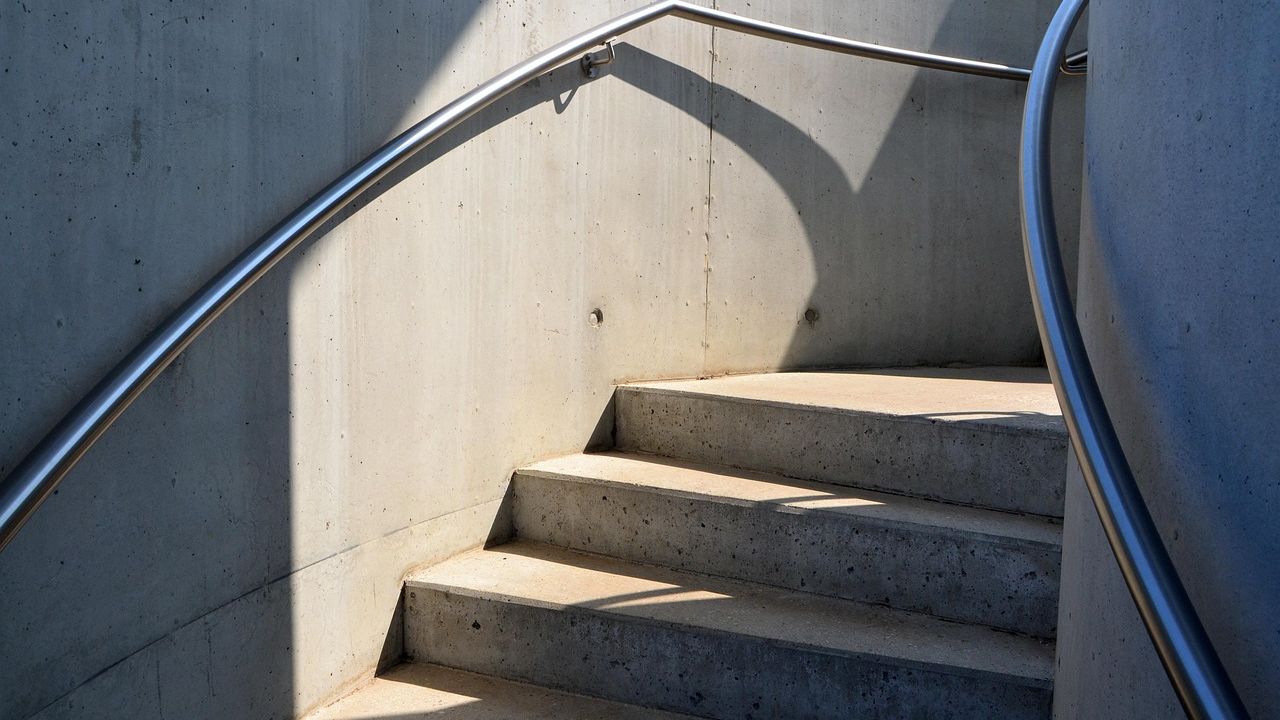
Stairs are one of the most common places for serious falls. A single handrail means that on the way up or down, one hand is always on the wrong side. Two handrails let you hold on with your stronger hand in either direction, and they help if you are carrying something in the other hand.
Make sure each rail runs the full length of the stairs, from the first step to the last, and is firmly attached. Check that rails are easy to grip, round rather than wide and flat. Mark the edge of each step with bright tape if steps are hard to see, and keep stairs completely free of clutter.
Page 1 of 3