
12 Simple Home Changes That Help Prevent Falls
 By Tonya Rakhtorina
Published
6.Brighten Your Lighting
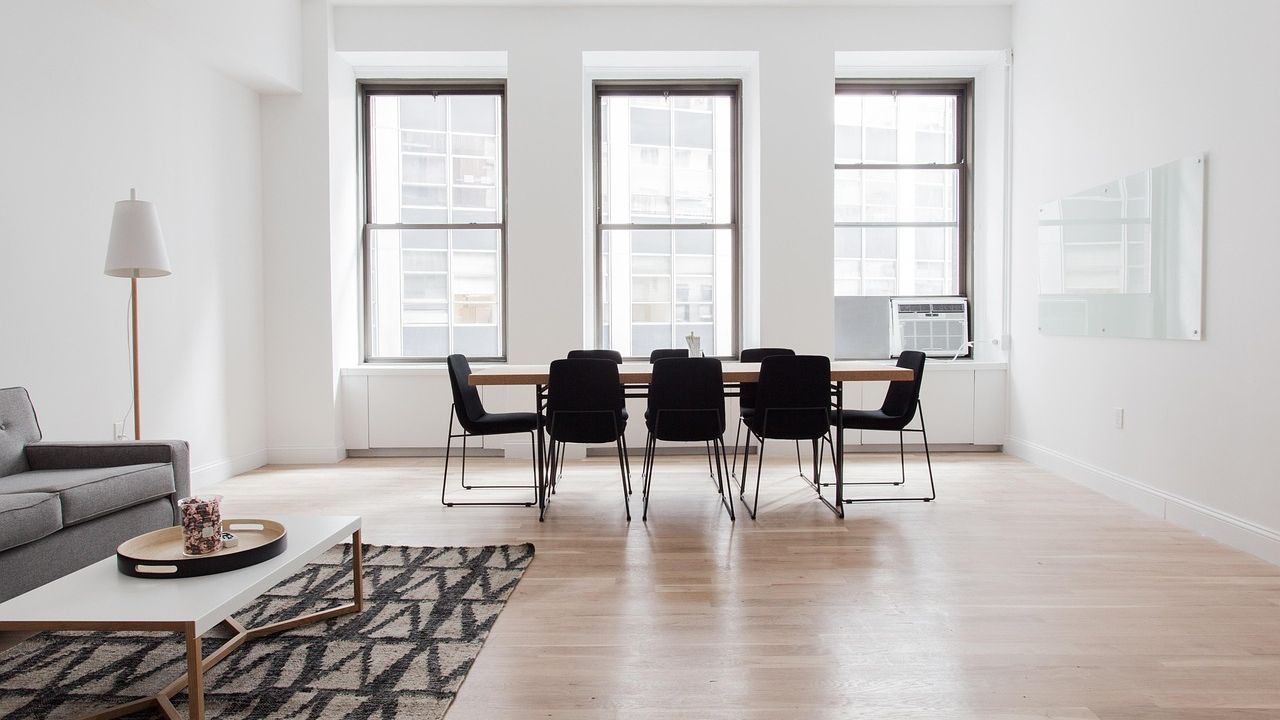
Our eyes need more light as we get older. Experts often say that a person in their sixties needs significantly more light to see as well as a young adult, and our eyes also take longer to adjust when moving from a bright room to a dim one.
Use brighter LED bulbs, which give more light without extra heat or high electric bills. Pay special attention to stairs, the kitchen, hallways and anywhere you read or work. Reduce glare with shades or frosted bulbs, since harsh glare on a shiny floor can hide a step or a spill. Replace burned-out bulbs right away rather than waiting.
7.Light Switches at Both Ends
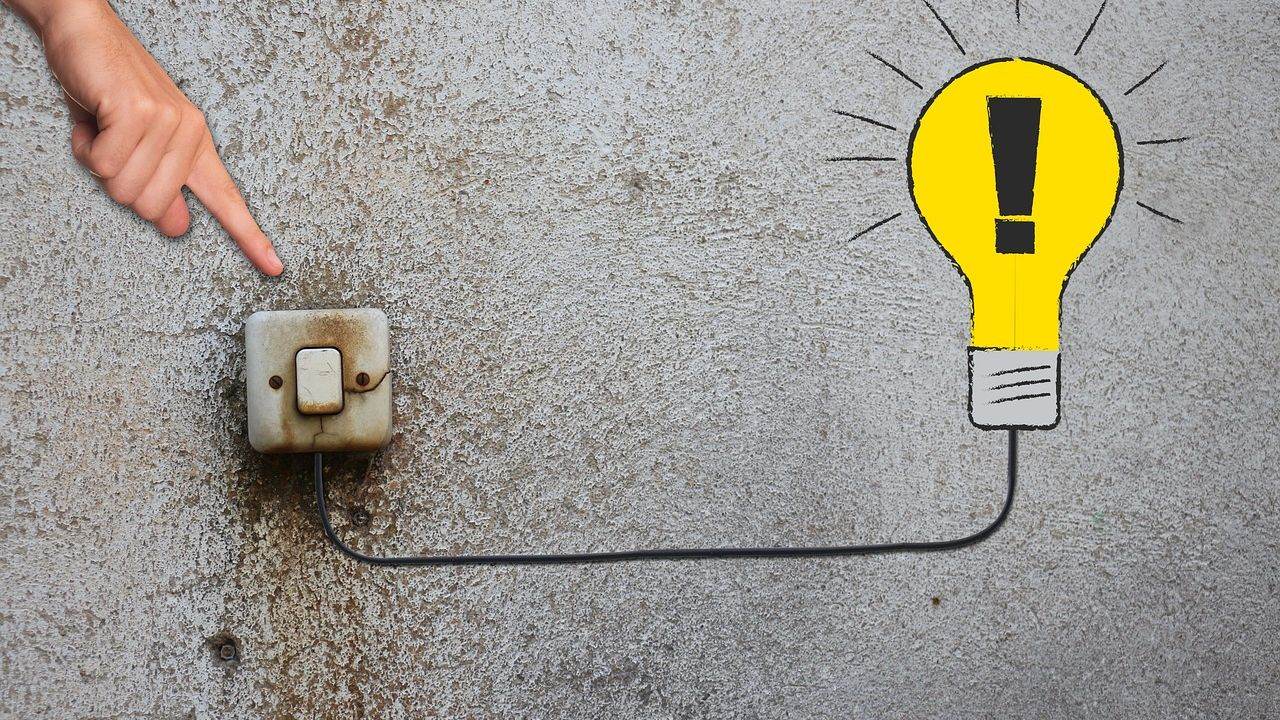
You should never have to cross a dark room or climb stairs in the dark to reach a switch. Light switches should be at both the top and bottom of every staircase and right next to the door of every room you enter.
If rewiring is not practical, there are easy alternatives. Smart bulbs can be turned on with a small remote, a phone or a voice assistant. Plug-in lamps with touch bases or motion sensors work well too. Glow-in-the-dark or illuminated switch plates also make switches easier to find at night.
8.Clear the Walkways
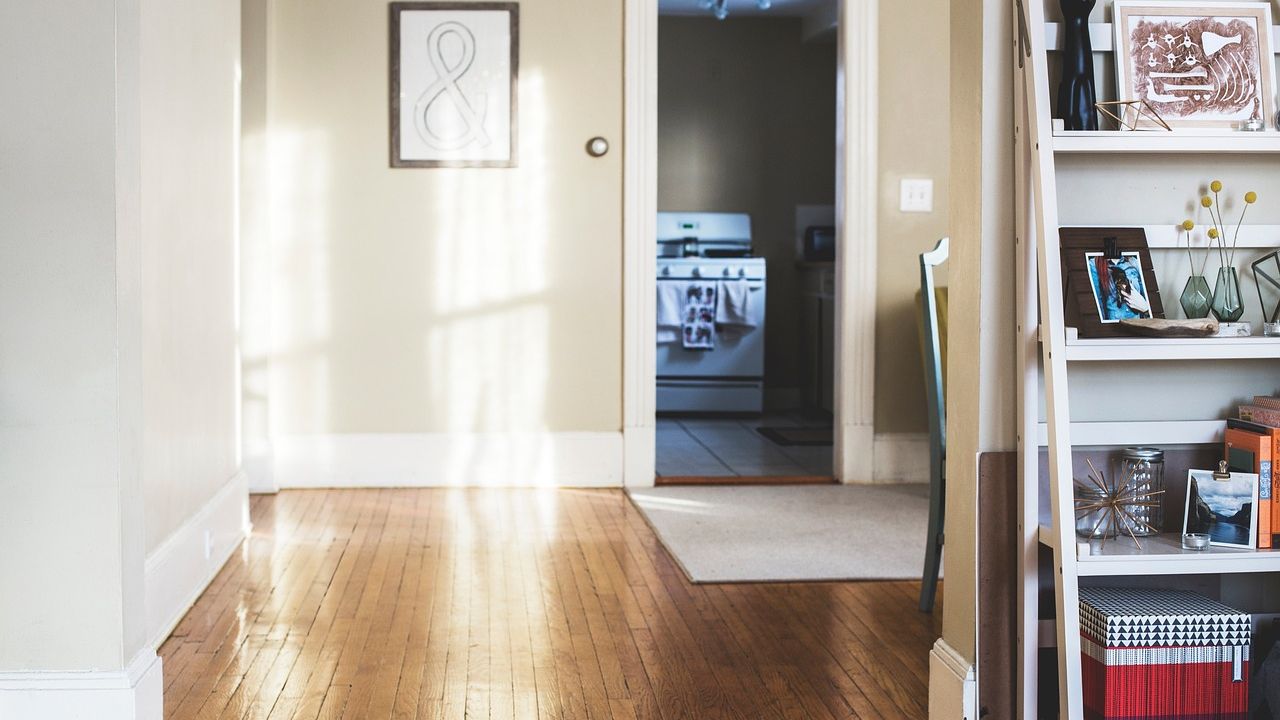
Clutter on the floor is one of the simplest hazards to fix. Shoes by the door, stacks of magazines, grandchildren's toys, pet bowls and laundry baskets all become tripping hazards, especially in the paths you use most often.
Pick up items as you go and give each one a home off the floor. Run electrical and phone cords along walls rather than across walkways, and use cord covers where you cannot avoid crossing a path. Arrange furniture so that there is a clear, wide route through each room, wide enough for a walker if you ever need one.
9.Keep Everyday Items Within Reach
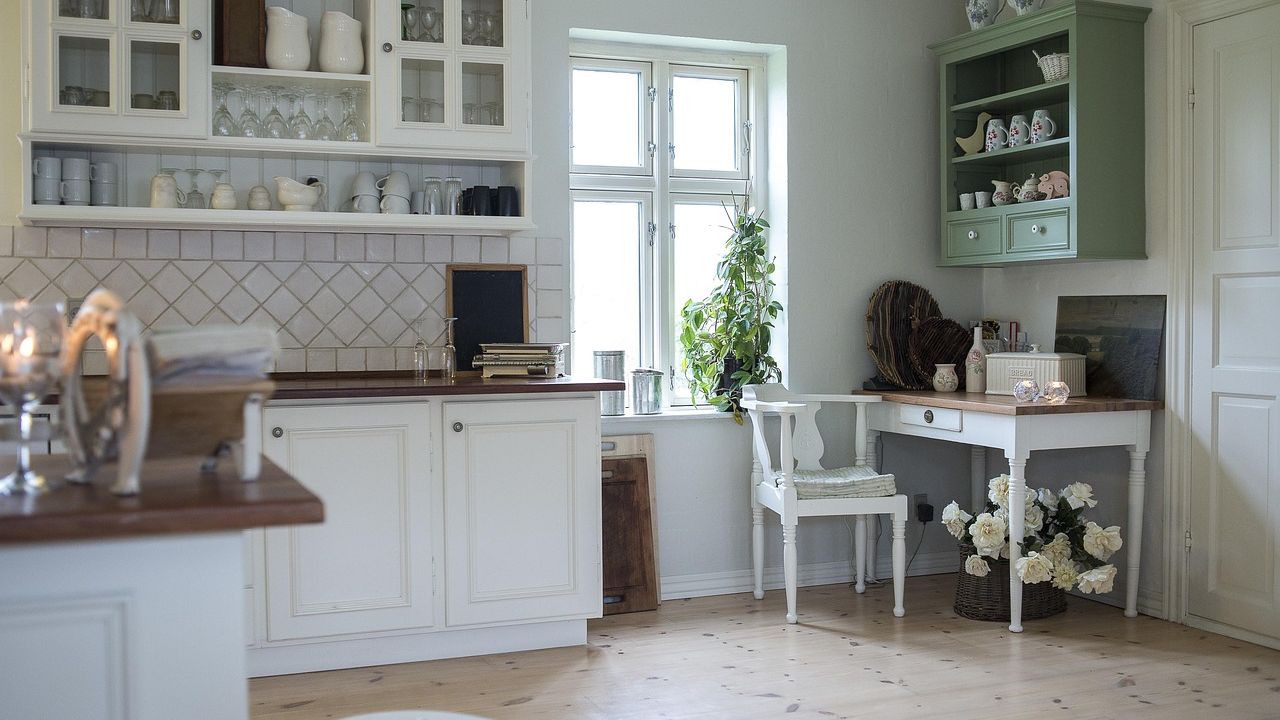
Reaching high or bending low puts you off balance. Climbing on a chair to reach the top cabinet or bending deep under the sink are moments when falls easily happen.
Move dishes, food, cleaning supplies and clothes you use often to shelves between waist and shoulder height. Store the holiday platters and rarely used items up high. A long-handled reacher, sold at most pharmacies, makes it easy to grab light items from a high shelf or pick something up from the floor without bending. In the closet, lower the hanging rod if you can.
10.Use a Steady Step Stool
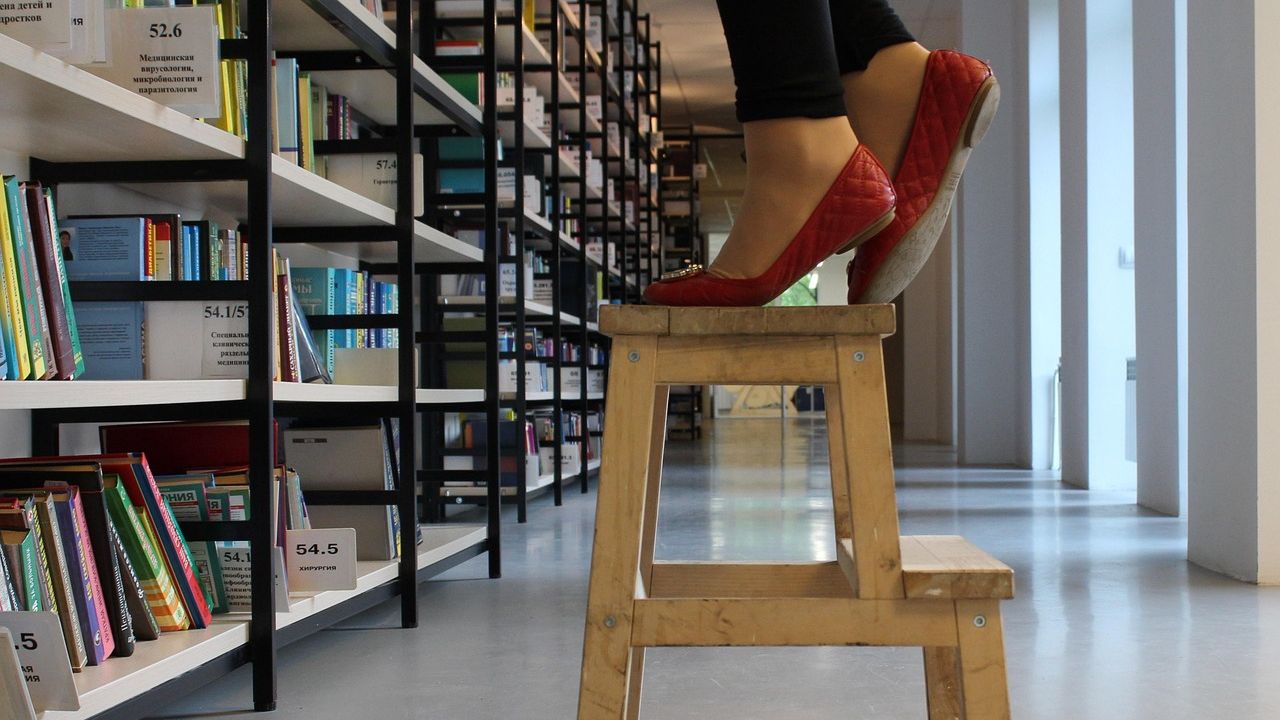
If you must reach high places, use a sturdy step stool with a handle to hold on to and a wide, non-slip base. A one or two-step stool with a safety rail is enough for most kitchen cabinets and much safer than a ladder.
Never stand on a chair, especially one with wheels or a swivel seat, and never use a box or bucket as a step. Avoid climbing when you are home alone, so someone can help if anything goes wrong. For bigger jobs, like changing a ceiling light or cleaning gutters, it is worth asking a family member or hiring help.
Page 2 of 3