
13 Houseplants That Are Almost Impossible to Kill
 By Tonya Rakhtorina
Published
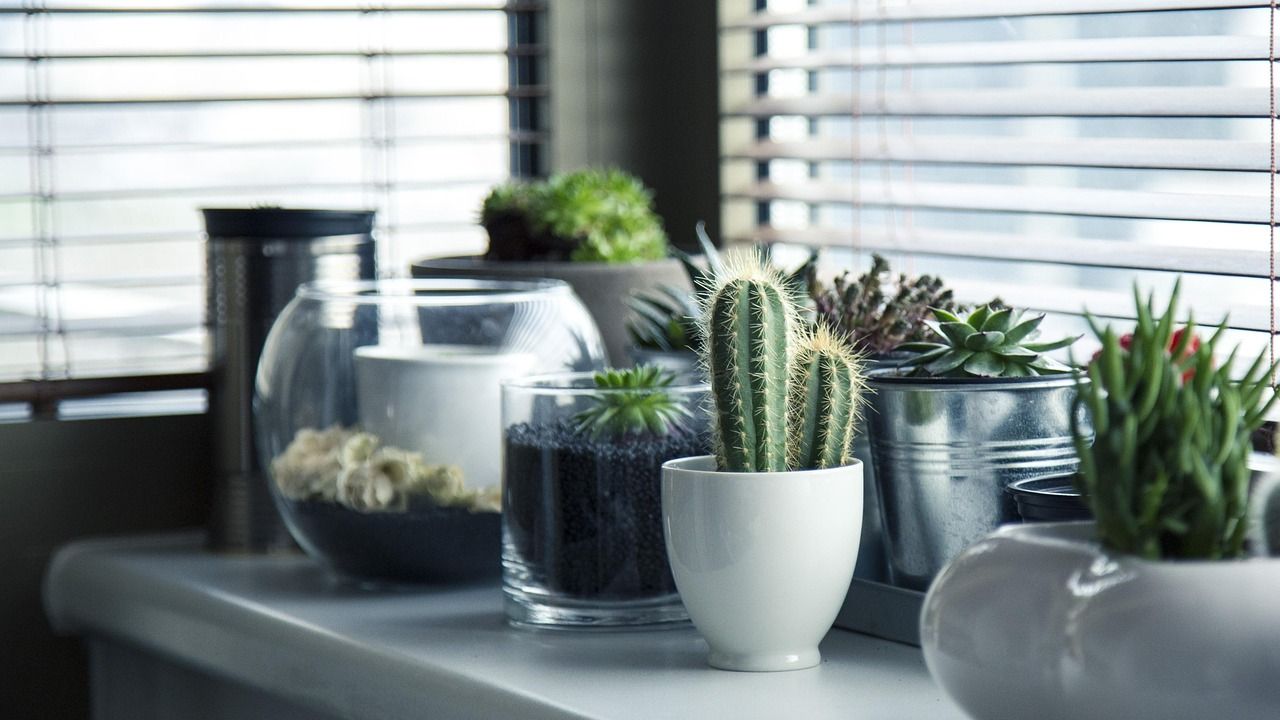
Houseplants make a home feel alive. They add color, soften rooms and give you a pleasant little daily habit of checking on them. Caring for living things has a calming effect, and watching a new leaf unfurl is a small, real joy.
But not everyone has a green thumb or remembers to water on schedule, especially if you travel to visit family or spend part of the year somewhere else. The good news is that some plants are famous for surviving almost whatever life throws at them: low light, dry air, missed waterings and long absences.
A tip that applies to nearly all of them: more houseplants die from too much water than from too little. Let the soil dry out before you water again, and use pots with drainage holes. If you share your home with a cat or dog, check the ASPCA’s list of toxic and non-toxic plants before buying anything new.
1.Snake Plant

The snake plant, sometimes called mother-in-law's tongue, has stiff, upright, sword-shaped leaves, often with yellow edges. It tolerates low light and can go weeks without water, making it one of the most forgiving houseplants available.
Overwatering is the only real way to hurt it, since its roots rot in soggy soil. Water every two to four weeks, less in winter. It grows slowly and rarely needs repotting. It also fits narrow spaces nicely. Snake plant is toxic to cats and dogs if chewed, so keep it out of reach of curious pets.
2.ZZ Plant
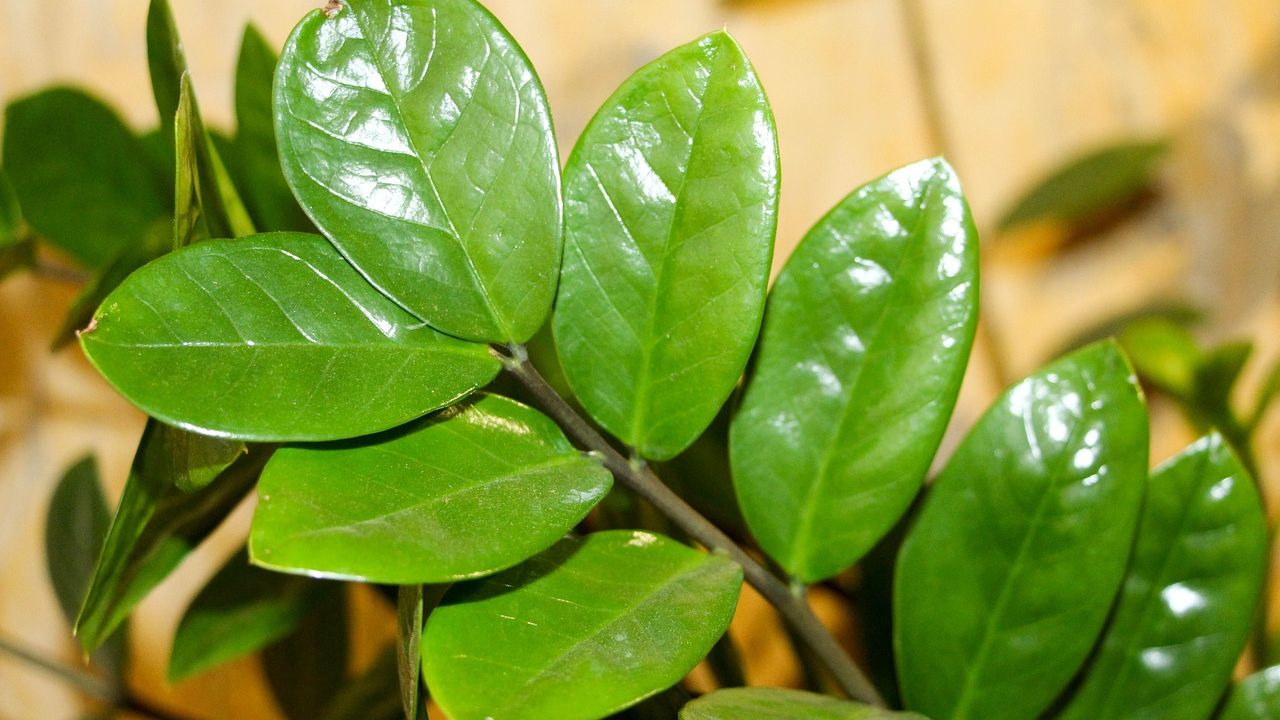
The ZZ plant has glossy, dark green leaves that look almost artificial, and thick underground roots that store water. That makes it nearly indestructible. It can handle low light, dry air and long periods without water.
It is happy in an office with no windows, as long as there is some artificial light. Water only when the soil is completely dry, usually every two to three weeks. It grows slowly and stays tidy. Keep it away from pets and small children, since all parts of the plant are toxic if eaten, and wash your hands after handling it.
3.Pothos
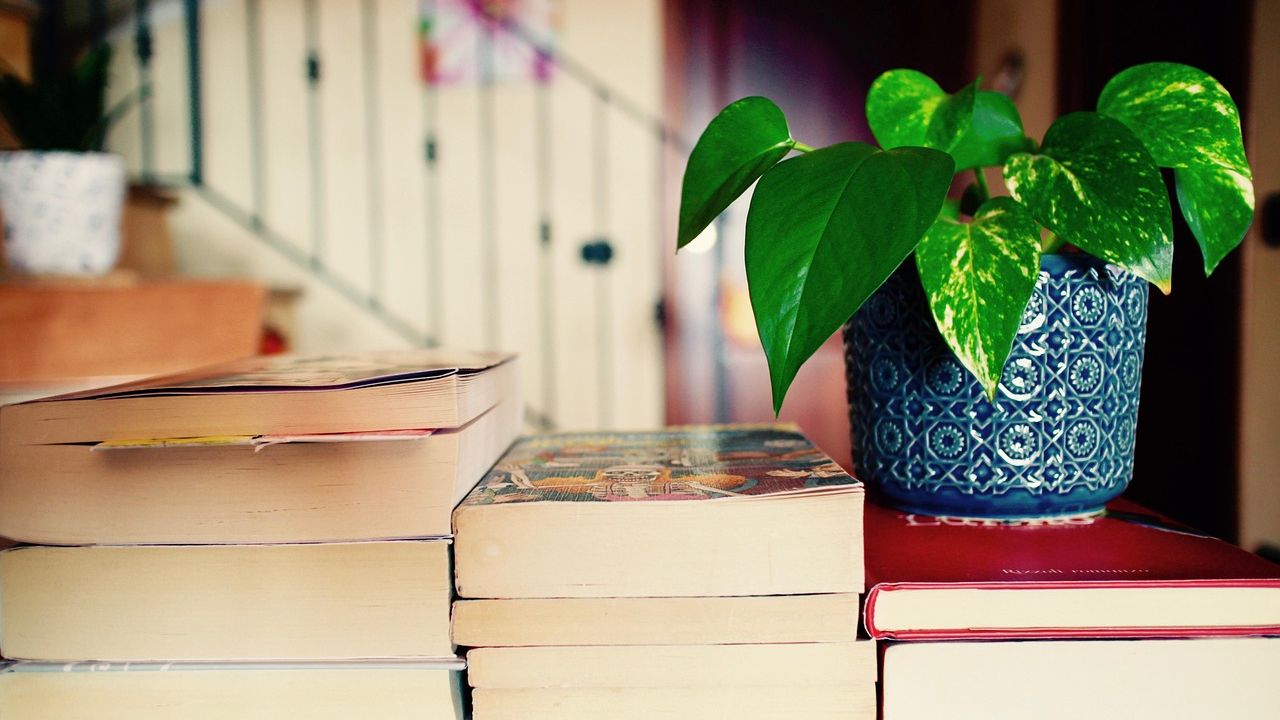
Pothos has trailing vines with heart-shaped leaves, often marbled with yellow or white, that look lovely spilling from a shelf, a hanging basket or the top of a cabinet. It grows quickly and can tolerate low light, though it grows fuller in bright, indirect light.
It is very easy to care for because the leaves droop when it is thirsty, so it tells you when to water. Trim long vines to keep it bushy, and put the cuttings in water to grow new plants to share. Pothos is toxic to cats and dogs if chewed.
4.Spider Plant
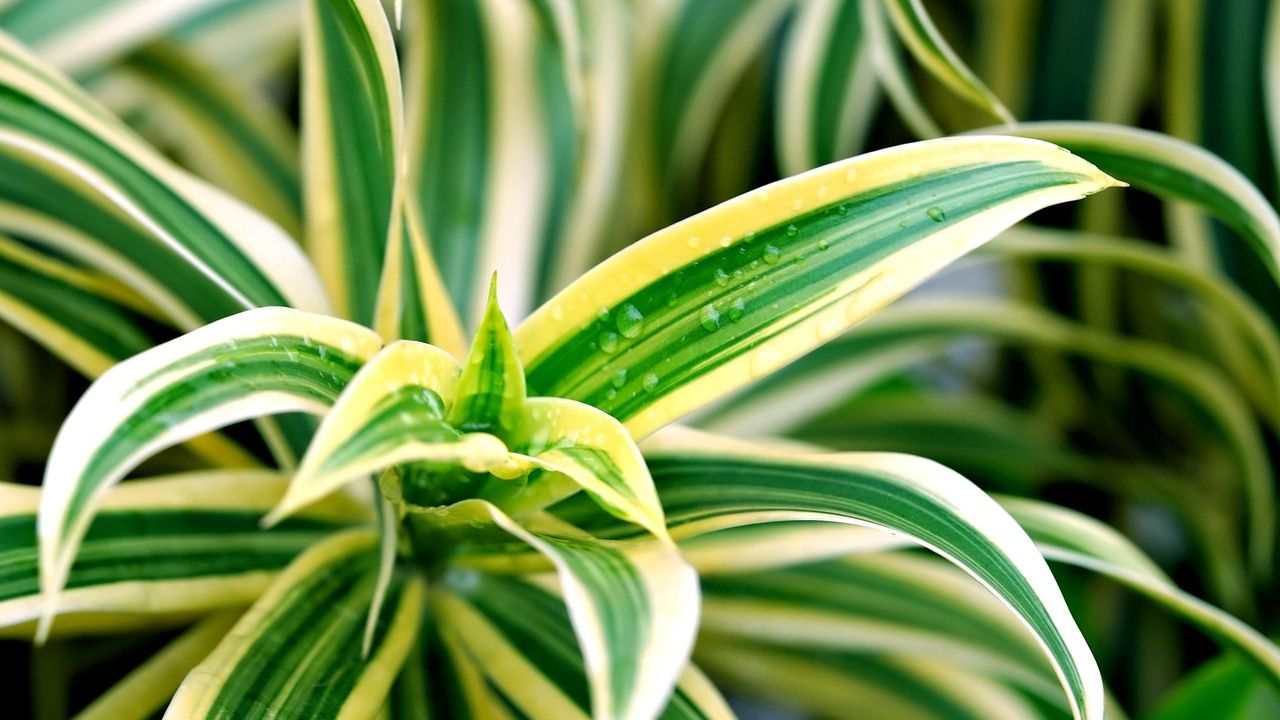
The spider plant has arching, striped green and white leaves and is easy to grow. A healthy plant sends out long stems with little baby plants, called spiderettes, dangling at the ends.
You can snip off the babies and pot them up to give away to friends and grandchildren, which makes it a fun plant to share. It likes bright, indirect light and evenly moist soil, but it forgives the occasional missed watering. It is considered non-toxic to cats and dogs, though cats sometimes like to nibble the leaves.
5.Cast Iron Plant
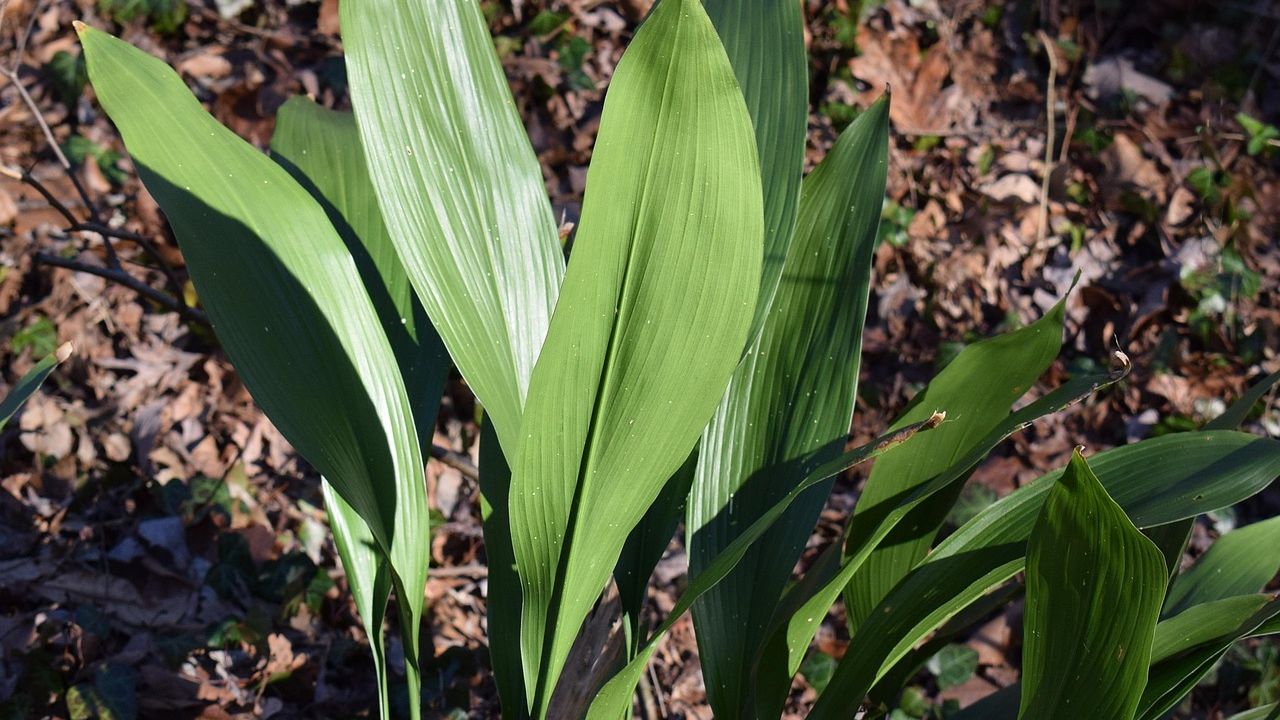
The cast iron plant earned its name by surviving in dim, drafty Victorian parlors, heated by coal and lit by gas lamps, where few other plants could live. It has broad, dark green leaves that rise directly from the soil.
It grows slowly but handles low light, dry air, temperature changes and neglect very well. Water when the top couple of inches of soil are dry. It is an excellent choice for a dark hallway or corner. Cast iron plant is non-toxic to pets, which makes it a good choice for homes with cats and dogs.
Page 1 of 3