
13 Houseplants That Are Almost Impossible to Kill
 By Tonya Rakhtorina
Published
6.Heartleaf Philodendron
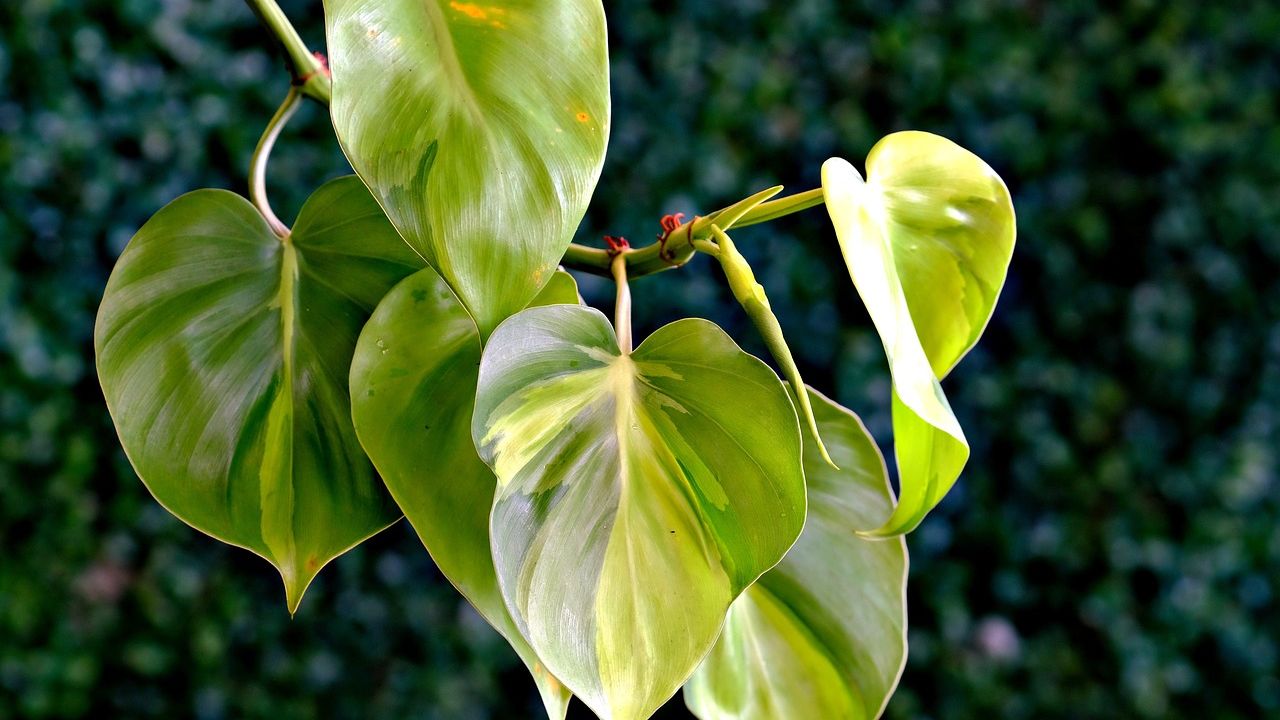
The heartleaf philodendron has glossy, heart-shaped leaves on long, trailing vines and is very forgiving of lower light and irregular watering. It looks beautiful in a hanging basket or trailing from a bookshelf.
Water when the top inch of soil is dry. Trim the vines to keep it full and bushy, and root the cuttings in water to make new plants. Yellow leaves usually mean too much water. Philodendron is toxic to pets and people if eaten, so keep it out of reach of pets and young grandchildren.
7.Peace Lily
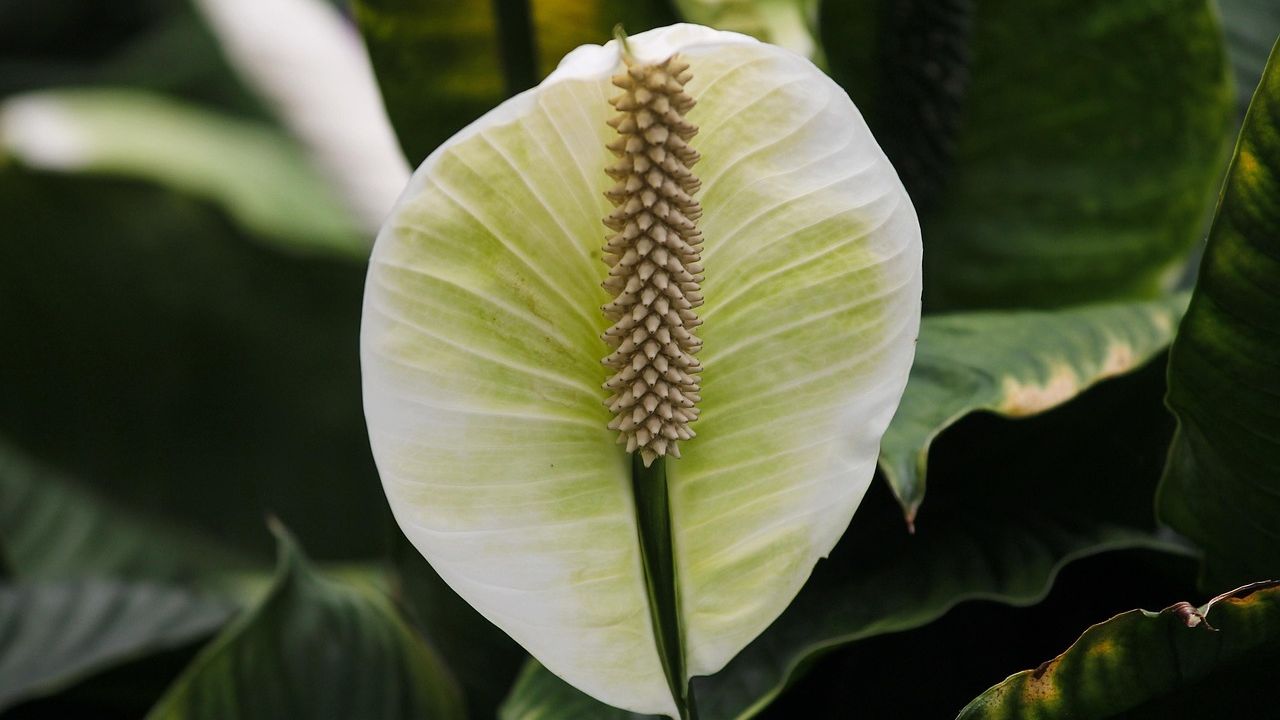
The peace lily has dark, glossy leaves and elegant white blooms that appear several times a year. It tolerates lower light well, though it blooms best in bright, indirect light.
It is famous for wilting dramatically when it is dry, then perking up within hours after watering, so it is very clear about its needs. Water when the leaves just begin to droop or the top of the soil is dry. Despite its name, it is not a true lily, but it is still toxic to cats and dogs if chewed.
8.Jade Plant
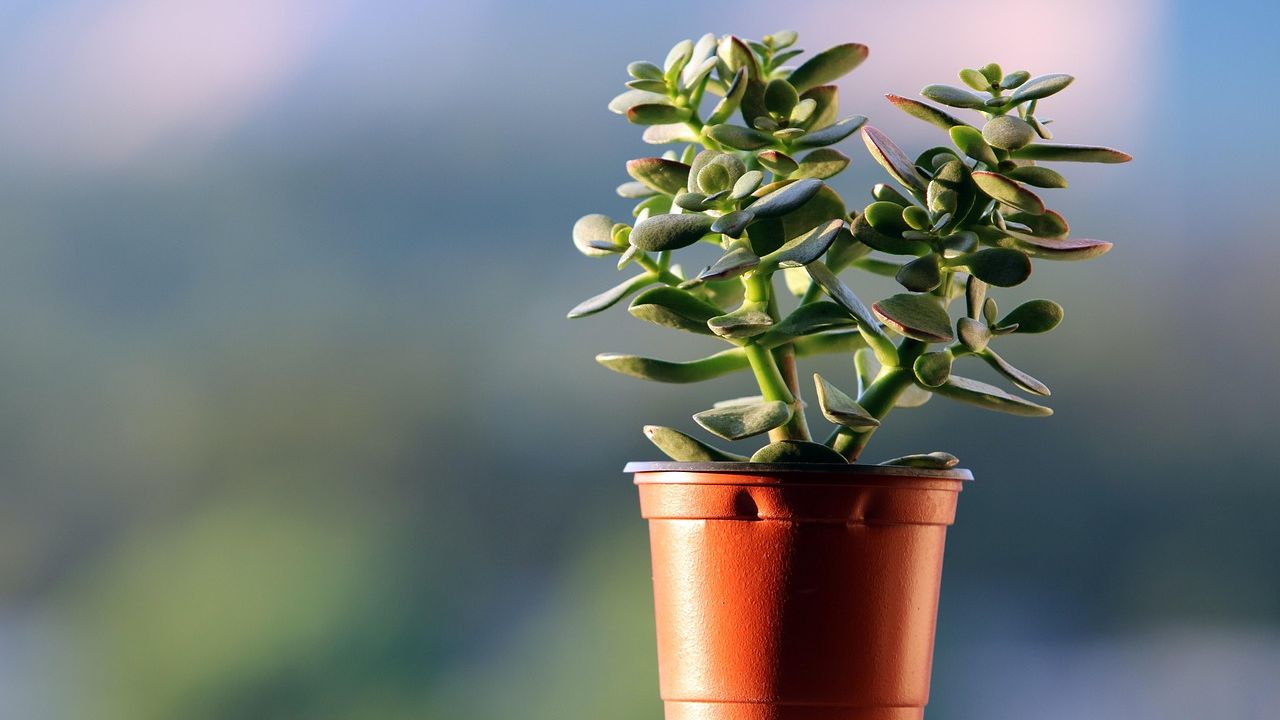
The jade plant is a succulent with thick, glossy, coin-shaped leaves on sturdy branches, and it can live for decades, often growing into a small tree. In some traditions, it is considered a symbol of good luck and prosperity.
Give it a sunny window, ideally with a few hours of direct sun, and let the soil dry out completely between waterings. In winter, water even less. Overwatering is the main danger. Jade plants are easy to propagate from a single leaf or stem. Jade plant is toxic to cats and dogs.
9.Aloe Vera
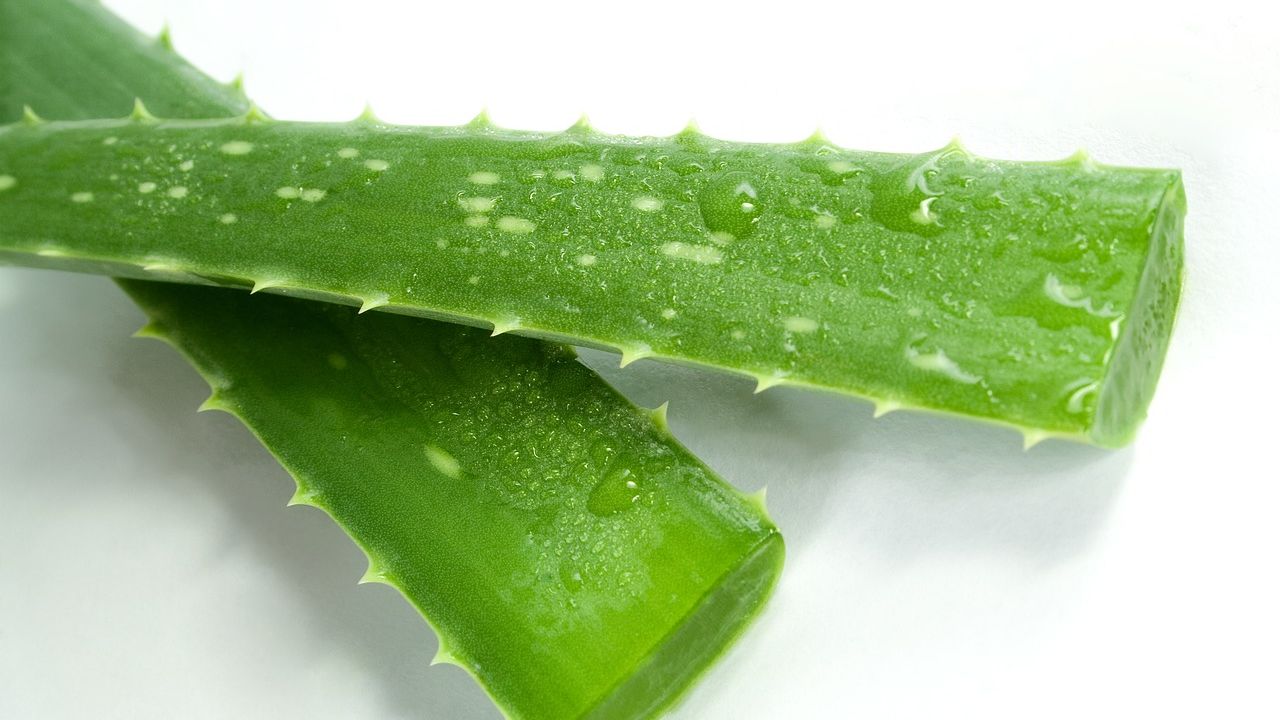
Aloe vera is a succulent with thick, spiky leaves filled with a clear gel. It needs bright light, such as a sunny window, and very little water. Let the soil dry completely between waterings, about every two to three weeks.
The gel inside the leaves has long been used to soothe minor burns and sunburn, which makes it a handy plant to keep in the kitchen. It produces small offshoots you can repot and share. Aloe is toxic to pets if eaten. If you use the gel on your skin, test a small area first.
10.Chinese Evergreen
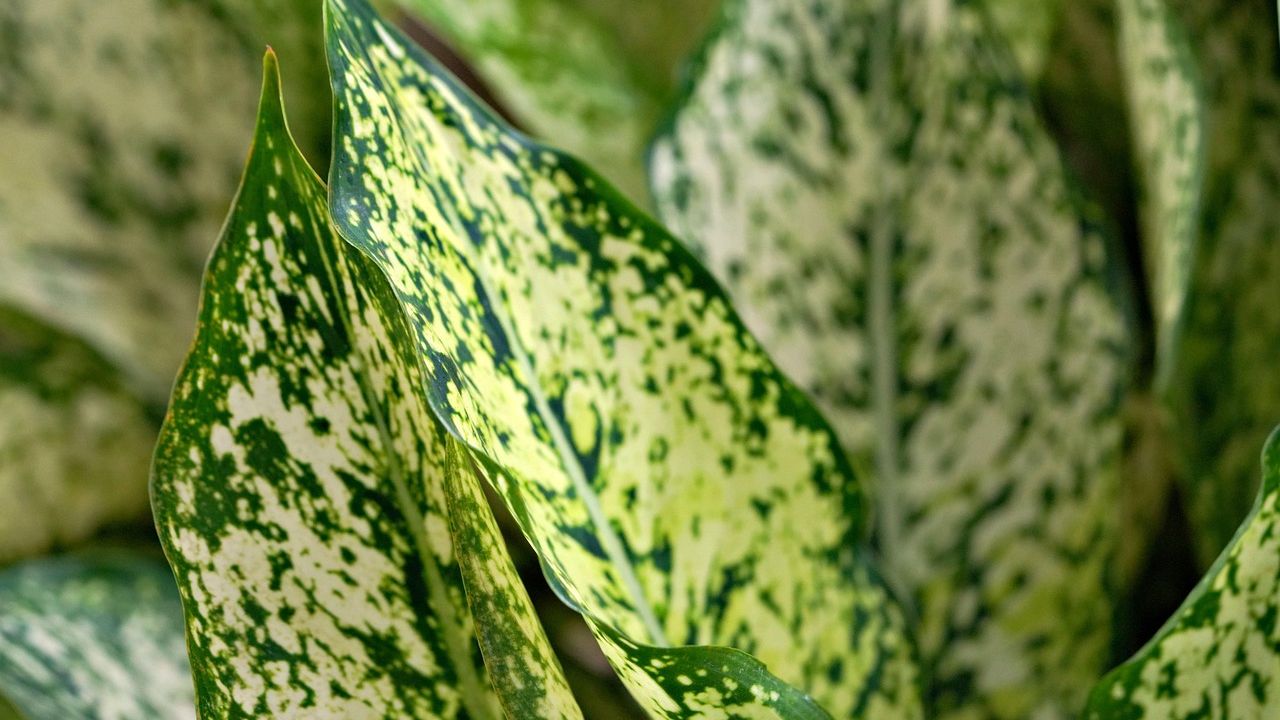
The Chinese evergreen has patterned leaves in shades of silver, green, pink or red that brighten a dim corner. It is one of the most tolerant houseplants for low light, and it handles irregular watering well.
Water when the top inch or two of soil is dry, and keep it away from cold drafts, since it prefers warm rooms. Newer varieties with pink and red leaves add a splash of color but usually prefer a bit more light. It grows slowly and stays compact. Chinese evergreen is toxic to cats and dogs.
Page 2 of 3