
10 Signs an Online Store Might Be Fake
This article is general information, not financial or legal advice. Prices, rules and offers change, so check with the provider or the official source before you decide. How we check facts.

Shopping online is convenient, especially when winter weather, a bad knee or a long drive makes a trip to the store hard. But for every real shop online, there are fake ones that look just as polished. They take your money and send nothing, send a cheap knockoff, or simply steal your card details.
Fake stores often appear in social media ads and even near the top of search results, especially around the holidays. The Federal Trade Commission warns shoppers to check out a seller before they buy, and that advice is worth following every time you shop somewhere new.
None of these signs proves a site is fake on its own. But if you see two or three of them together, close the page and shop somewhere you know.
1.The Prices Are Too Good to Be True
A designer handbag at 80 percent off, a brand-name appliance for a fraction of its normal price, or a popular toy that is sold out everywhere else but available here at a bargain. Deep discounts are the most common bait used by fake stores.
Compare the price with a few well-known retailers. If one site is dramatically cheaper than everyone else, there is usually a reason. Real stores do have sales, but they rarely sell new, popular items far below what they paid for them. When a deal makes you gasp, slow down.
2.You Found It Through a Social Media Ad
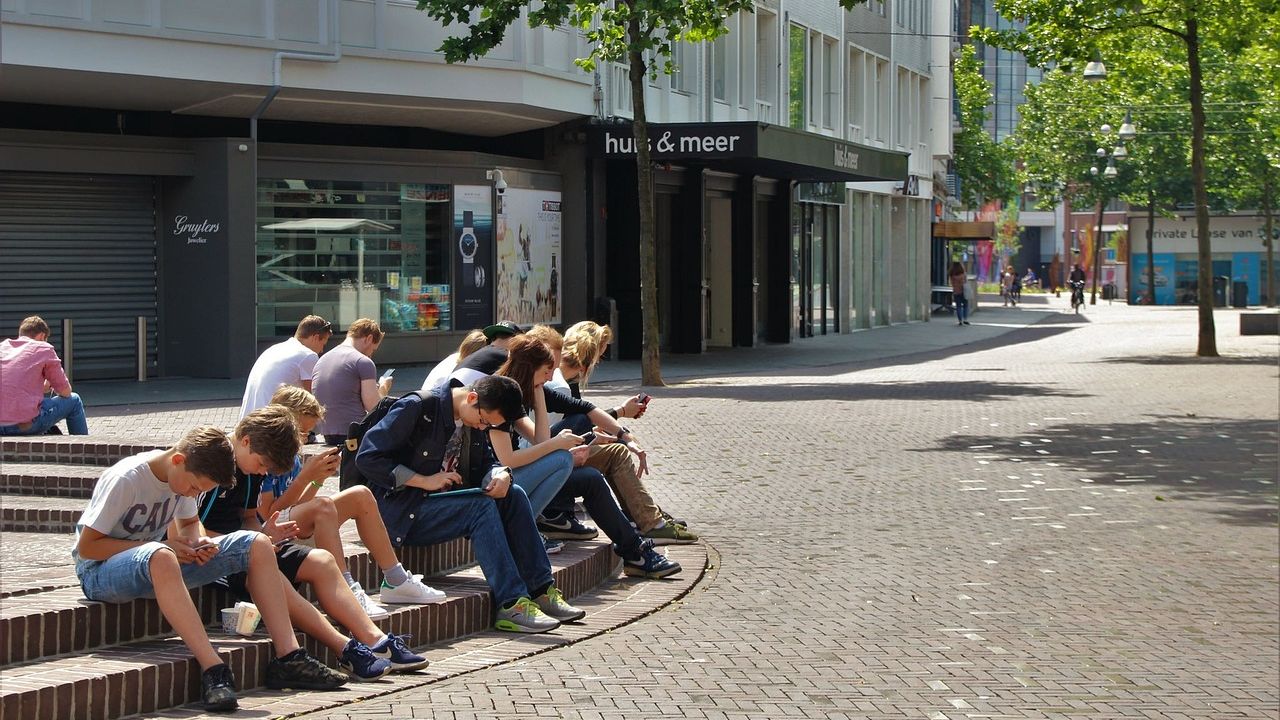
Many fake stores advertise on social media, where it is easy to create a professional-looking ad and reach millions of people quickly. The ads often show attractive photos copied from real brands, along with countdown timers and claims that stock is almost gone.
Before you click "buy," leave the ad and search for the store's name yourself, along with words like "scam," "complaint" or "review." If the store only seems to exist inside the ad, or the reviews describe items that never arrived, move on. Tell friends about suspicious ads too.
3.The Web Address Looks Slightly Off
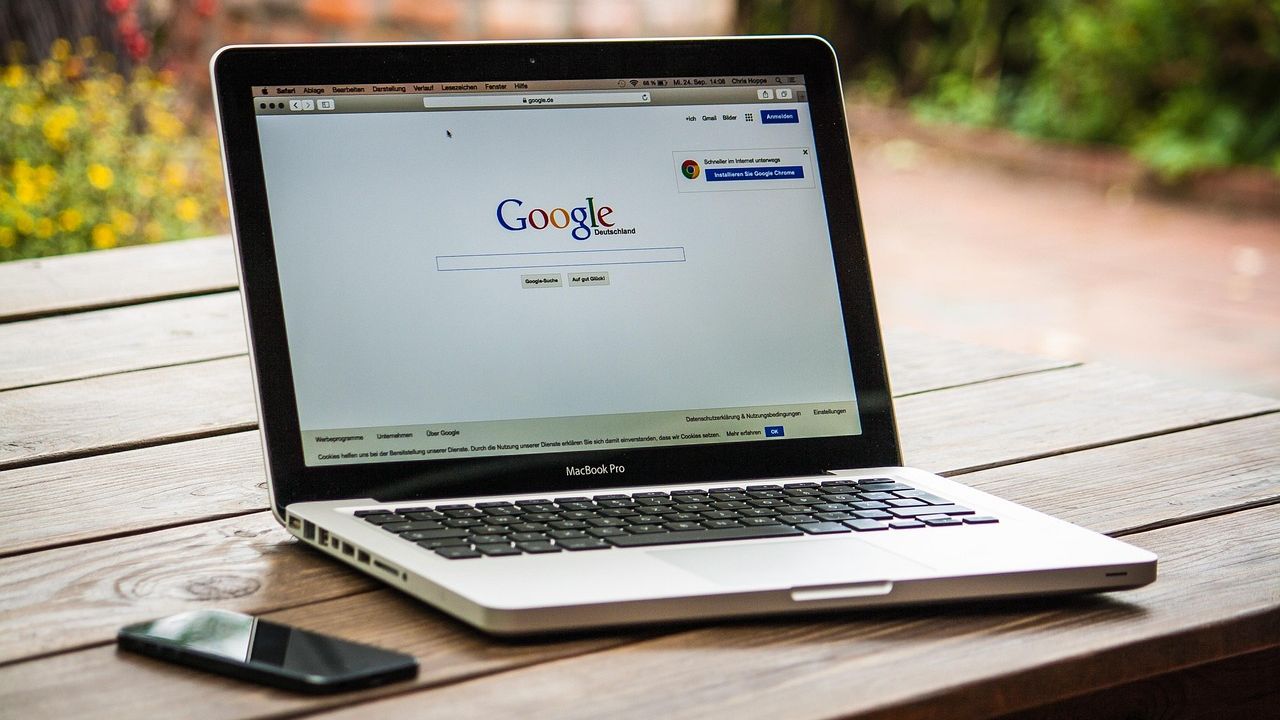
Scammers often use web addresses that look almost like a real brand's, with a small change: an extra letter, a dash, a different ending like ".shop" or ".store," or a brand name followed by words like "outlet" or "sale."
Look carefully at the address bar before you enter any information. Type well-known store addresses yourself instead of clicking links in emails, texts or ads. The padlock symbol in the browser only means the connection is encrypted, not that the business is honest, since scammers can get that padlock too.
4.There Is No Real Contact Information

A legitimate store tells you how to reach it: a physical address, a working phone number and a customer service email. Fake stores often list only a contact form, a free email address, or an address that turns out to be a house, an empty lot or a different country entirely.
Try calling the number before you buy. Look up the address on a map. Check the "About Us" page, which on fake sites is often vague, full of odd grammar or copied from another company. If you cannot figure out who you are buying from, do not buy.
5.The Site Is Brand New

Many fake stores are set up just weeks before a busy shopping season and disappear soon after. A store with no history, no reviews and no social media presence older than a few weeks is a risk.
Search for the store's name and see how long it has been around and what other shoppers say. Pay attention to recent reviews on independent sites rather than reviews posted on the store's own pages, which can easily be faked. A newer store is not always a scam, but it deserves extra caution.
Page 1 of 2