10 Signs an Online Store Might Be Fake
6.Reviews Seem Fake or Are Missing
A page full of glowing five-star reviews, all short, all posted around the same time and all saying similar things, is a warning sign. So is a site that hides reviews entirely, or one where every review is suspiciously perfect.
Search for reviews of the store elsewhere, and read the one, two and three-star reviews, which are usually the most honest. Look for complaints about items never arriving, poor quality or refunds that never came. The Better Business Bureau's website is another place to check for complaints.
7.They Want an Unusual Payment Method
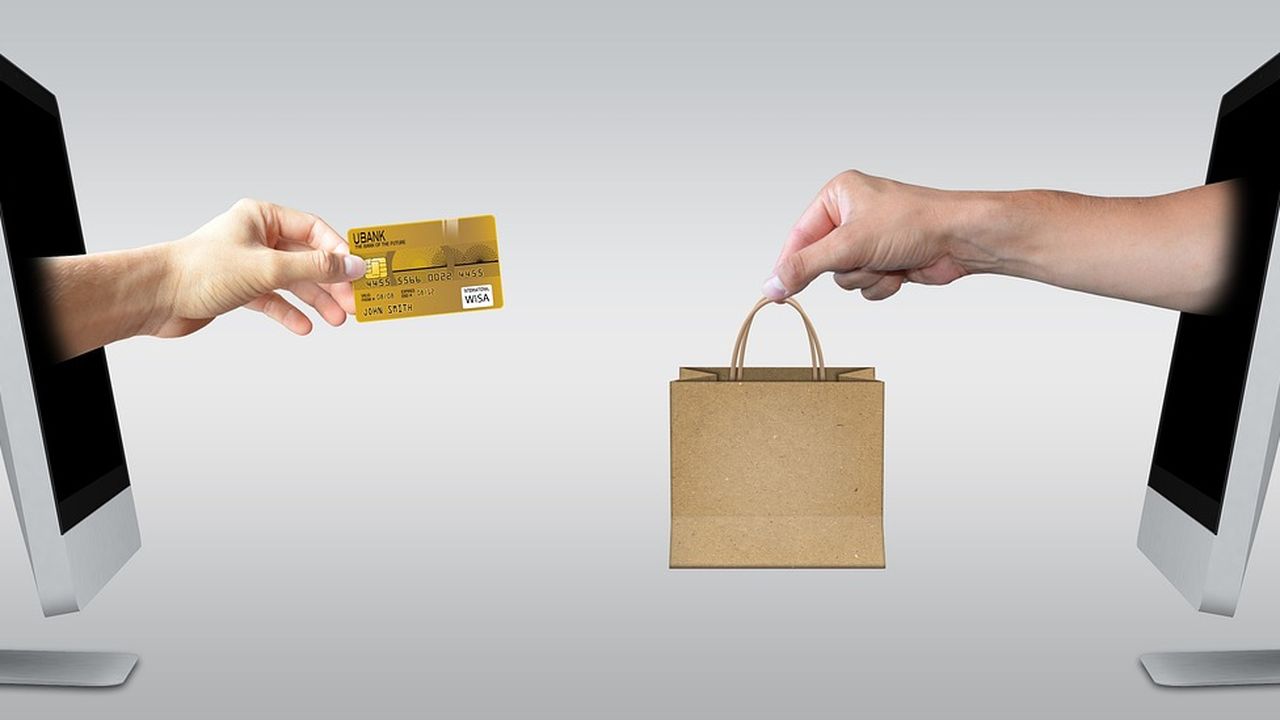
Be very cautious if a store asks you to pay by wire transfer, gift card, cryptocurrency or a payment app like Zelle to a person rather than a business. These payment methods are hard to reverse, and that is exactly why scammers prefer them.
Pay with a credit card whenever you shop online. Under federal law, credit cards give you the right to dispute charges for items you did not receive or that were not as described. Some people keep one credit card with a low limit just for online shopping, which limits any damage.
8.The Return Policy Is Vague or Missing

Real stores clearly explain how to return an item, how long you have and who pays for shipping. Fake stores often have no return policy at all, or one that is confusing, copied from another site or full of conditions that make returns practically impossible.
Read the return and shipping policies before you buy, especially for expensive items. Watch for policies that require you to ship returns overseas at your own cost, or that offer only store credit. If the policy does not make sense, that tells you a lot.
9.The Site Asks for Too Much Information
A store needs your name, shipping address, email and payment information to complete an order. It does not need your Social Security number, your date of birth, your bank login or answers to security questions.
If a checkout page asks for information that has nothing to do with shipping your order, stop. That information can be used for identity theft. Be wary of pop-ups asking you to log in again or "verify" your card. When in doubt, close the browser and start again on a site you trust.
10.What to Do If You Already Paid

If you think you bought from a fake store, act quickly. Call your credit card company or bank right away, explain what happened, and ask to dispute the charge. Keep screenshots of the website, your order confirmation and any emails, which can help your case.
Watch your statements for other unauthorized charges, and consider getting a new card number. Report the store to the FTC at ReportFraud.ftc.gov, and report the ad to the social media platform where you saw it. Reporting helps protect other shoppers. Being fooled by a convincing fake is nothing to be ashamed of.
Sources
This article is general information, not financial or legal advice. Prices, rules and offers change, so check with the provider or the official source before you decide. How we check facts.
Trending now