
10 Board Games From the '60s and '70s That Are Still Worth Playing
 By Tonya Rakhtorina
Published
Many of the games that filled our closets fifty years ago are still sold today, often with only small changes to the boxes and pieces. They were part of rainy afternoons, holiday visits with cousins and family nights around the kitchen table, long before screens took over.
Here are ten that are just as fun now as they were then, especially when you play them with your grandchildren. Most are quick to learn, work for mixed ages and give everyone something to laugh about, which is really the point. You may even still have one in the hall closet.
1.The Game of Life (1960)
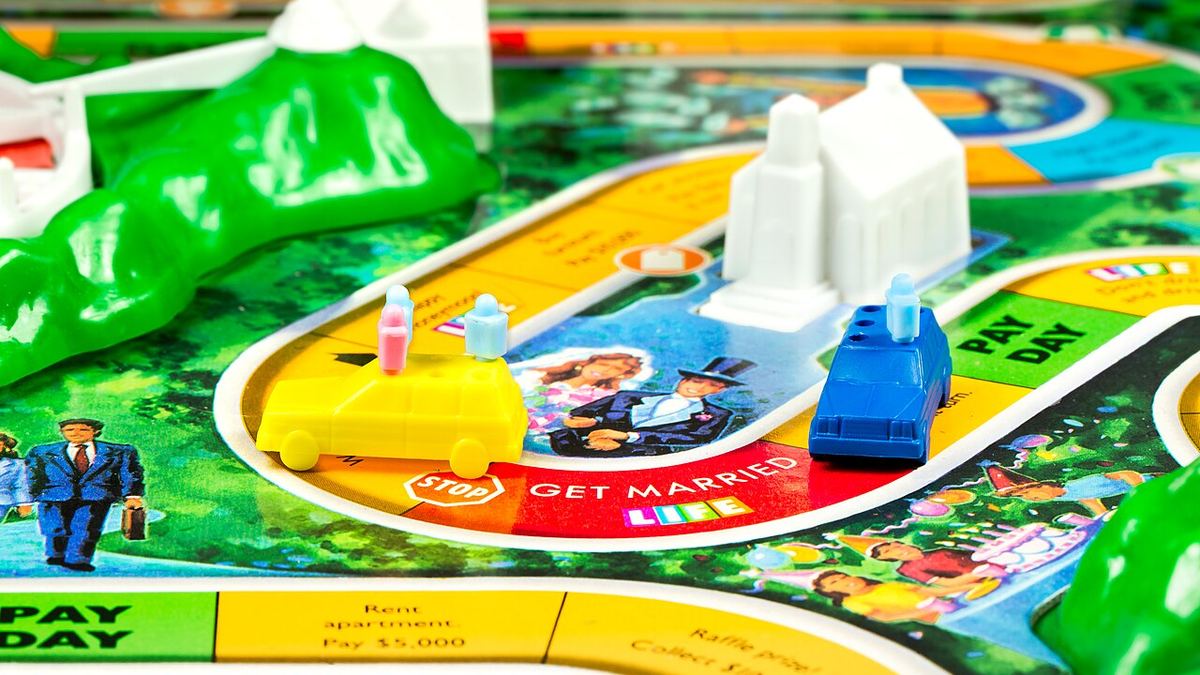
Milton Bradley released this version of The Game of Life in 1960 to mark the company's 100th anniversary, updating a board game the founder had created in 1860. With its three-dimensional board, hills and buildings, it felt modern and exciting.
The spinning wheel, tiny plastic cars and peg families still make kids laugh, especially when the car fills up with children. Along the way, players get jobs, buy houses, pay bills and collect paydays, so it gently teaches money decisions. Newer editions have changed some careers and rules, but the feel is the same.
2.Mouse Trap (1963)
Mouse Trap was introduced in 1963 and was one of the first mass-produced three-dimensional board games. Players build a wonderfully complicated contraption, with a crank, a boot, a bathtub and a diver, that finally drops a cage on a plastic mouse.
Building the wobbly machine was always more fun than winning, and it rarely worked on the first try, which is exactly why kids still love it. The game was inspired by the elaborate machines drawn by cartoonist Rube Goldberg. It is a perfect excuse to talk about how simple machines work.
3.Operation (1965)
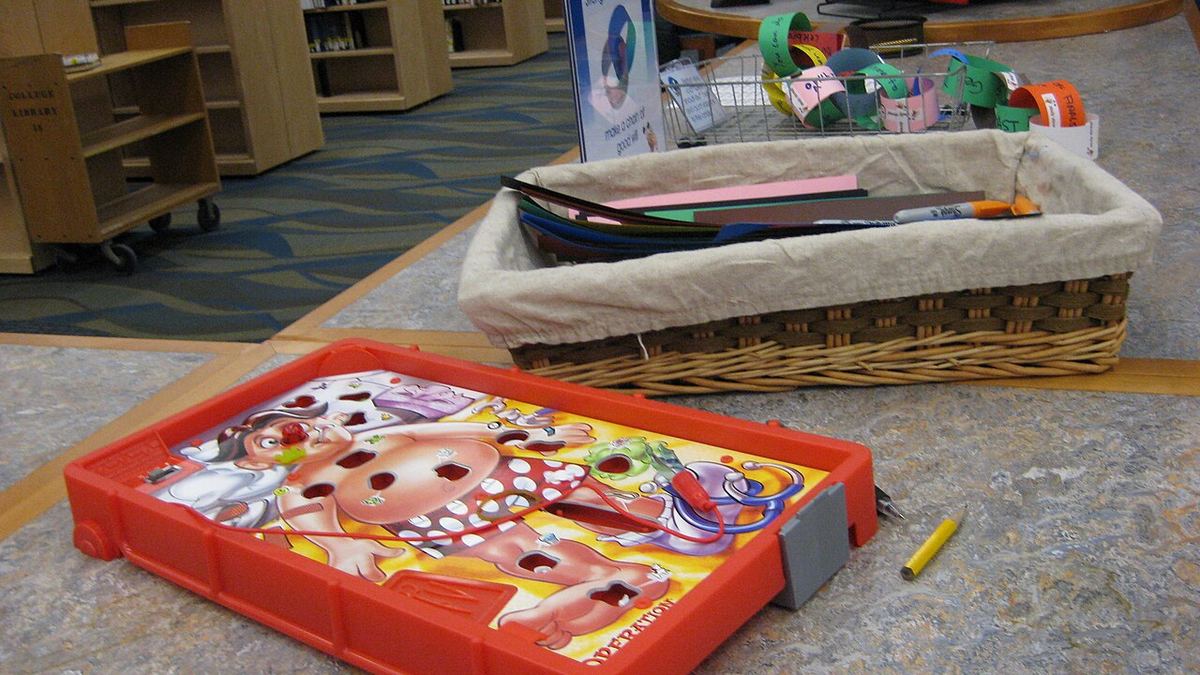
Operation arrived in 1965 and has made generations of players jump. Using tiny tweezers, you try to remove the patient's funny ailments, like a "broken heart" or "water on the knee," without touching the metal edges and setting off the buzzer and the patient's glowing red nose.
Steady hands, a bit of nerve and some luck matter as much as skill, which makes it a perfect game for mixed ages. Young children often do surprisingly well. The silly names of the ailments are a great way to start conversations and jokes with grandchildren.
4.Twister (1966)
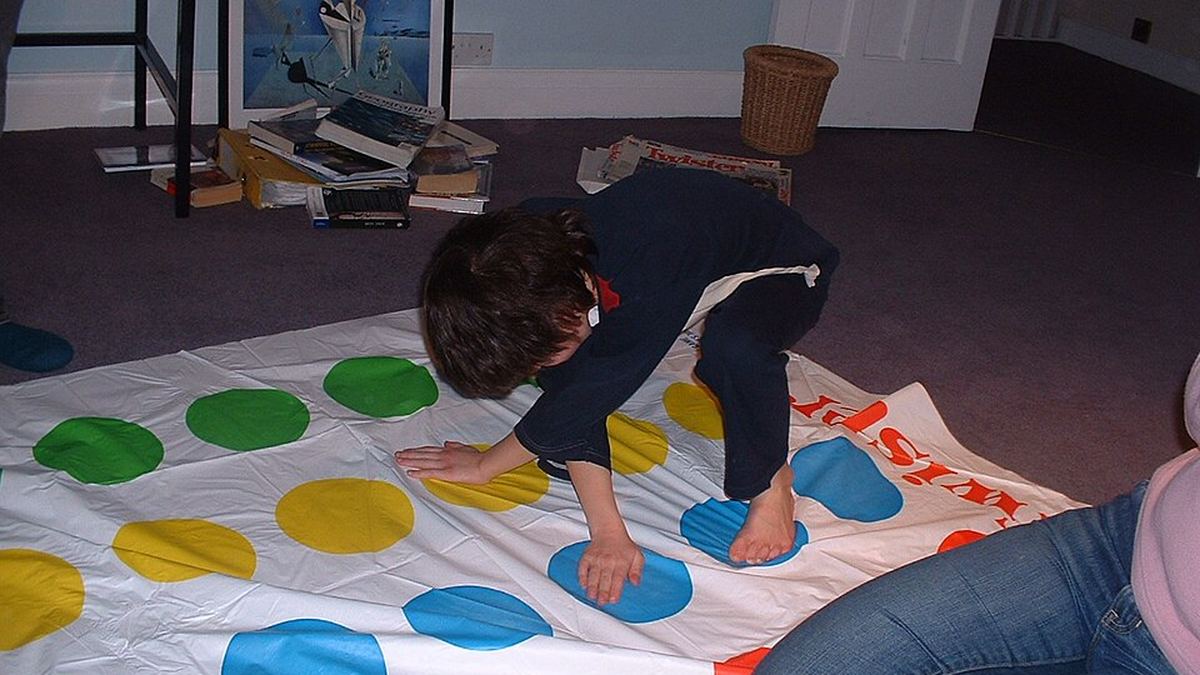
Twister was released in 1966 and became a sensation after Johnny Carson played it on The Tonight Show with actress Eva Gabor. Suddenly everyone wanted to try it. A spinner tells players where to put their hands and feet on a mat of colored circles until someone topples over.
Today, grandparents make excellent spinners and referees, which means all the laughter without the strained back. Kids love giving commands and watching each other tangle up. It is an easy way to get children moving on a rainy day, and it works for groups of all sizes.
5.Battleship (1967)
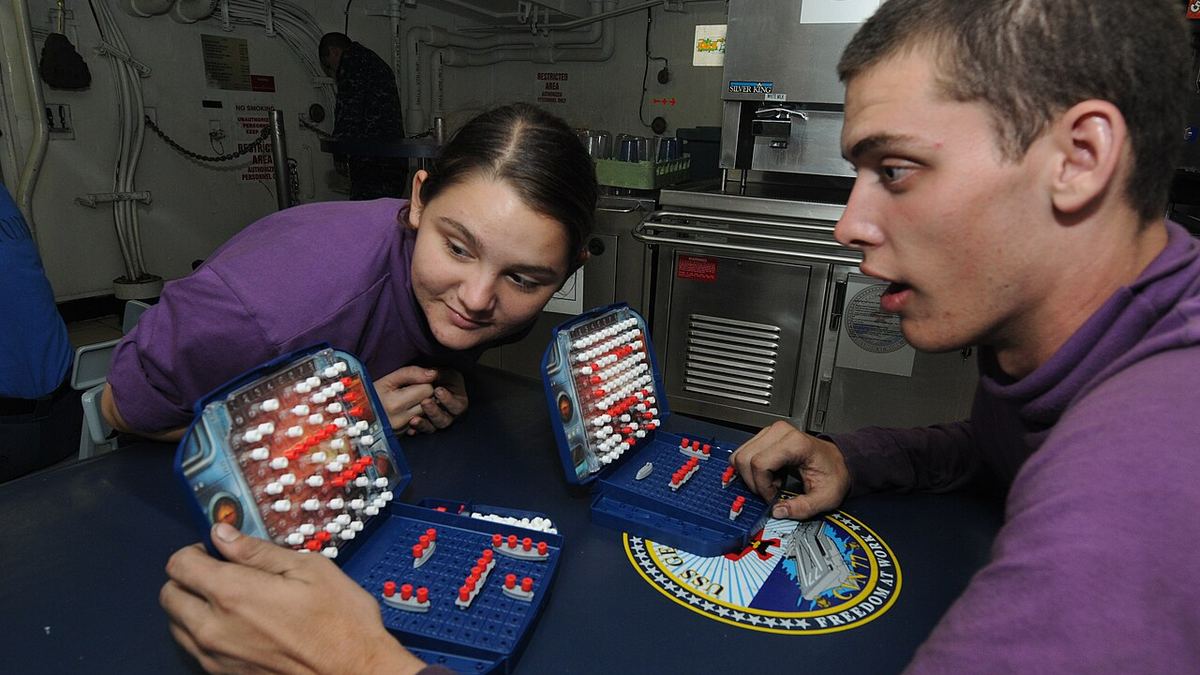
Kids played Battleship with pencil and paper for decades, drawing grids in school notebooks. Milton Bradley released the familiar plastic version, with pegs and folding boards, in 1967, and an electronic version followed later.
Each player hides a fleet of ships on a grid and takes turns calling out coordinates to find and sink the other's ships. Calling out "B-4" and hearing a groan never gets old. It is great for teaching coordinates and logical thinking, and it works well for two players, making it ideal for a grandparent and grandchild.
Page 1 of 2