10 Board Games From the '60s and '70s That Are Still Worth Playing
 By Tonya Rakhtorina
Published
6.Mastermind (1970)

Mastermind was released in 1970 and became an international hit, with a box cover that showed a serious-looking man in a suit and a woman beside him. One player creates a secret code of colored pegs, and the other tries to crack it in as few guesses as possible, using clues after each try.
It is a quiet logic game of clever guessing and deduction. That makes it a great choice for an older grandchild who enjoys puzzles and a little friendly competition. Games are short, so you can switch roles and play several rounds. It is also excellent exercise for an adult brain.
7.Boggle (1972)
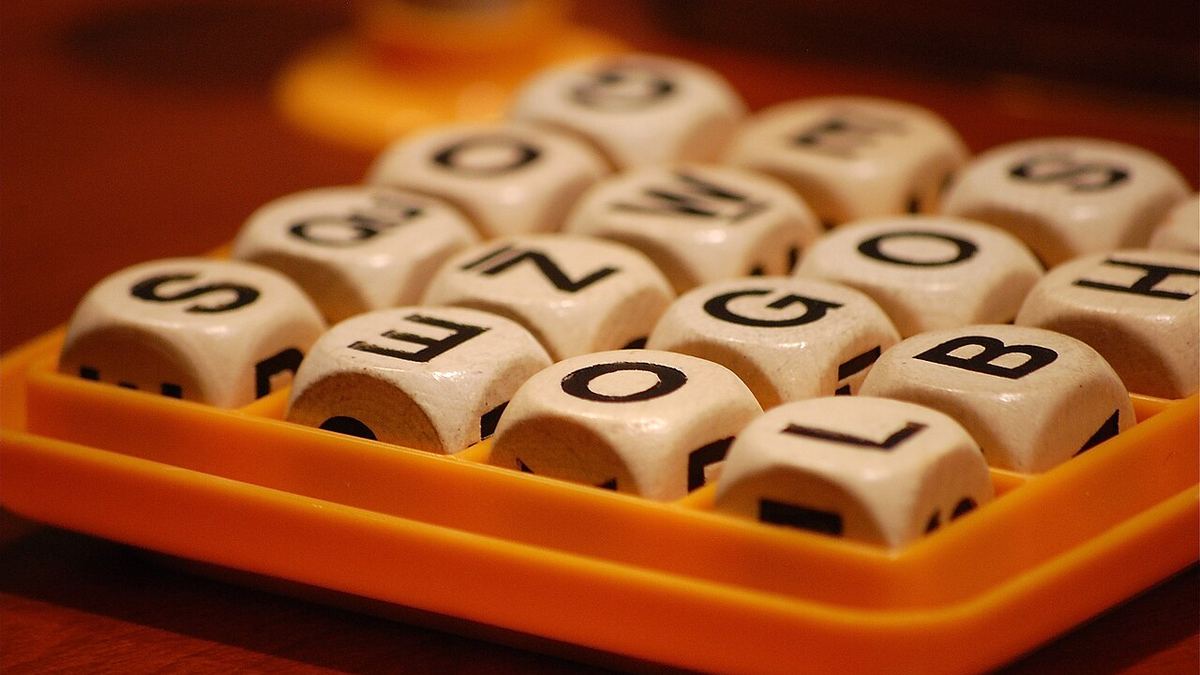
Boggle was introduced in 1972. Shake the cube of lettered dice, let them settle into the grid, flip the three-minute timer and find as many words as you can from connected letters. Then compare lists and cross out any words more than one player found.
It is a fun way to build vocabulary and spelling, and it moves quickly. To keep things fair across ages, adults can play with a longer minimum word length, such as four or five letters, while children count three-letter words. Big Boggle, with a larger grid, offers more challenge for word lovers.
8.Connect Four (1974)
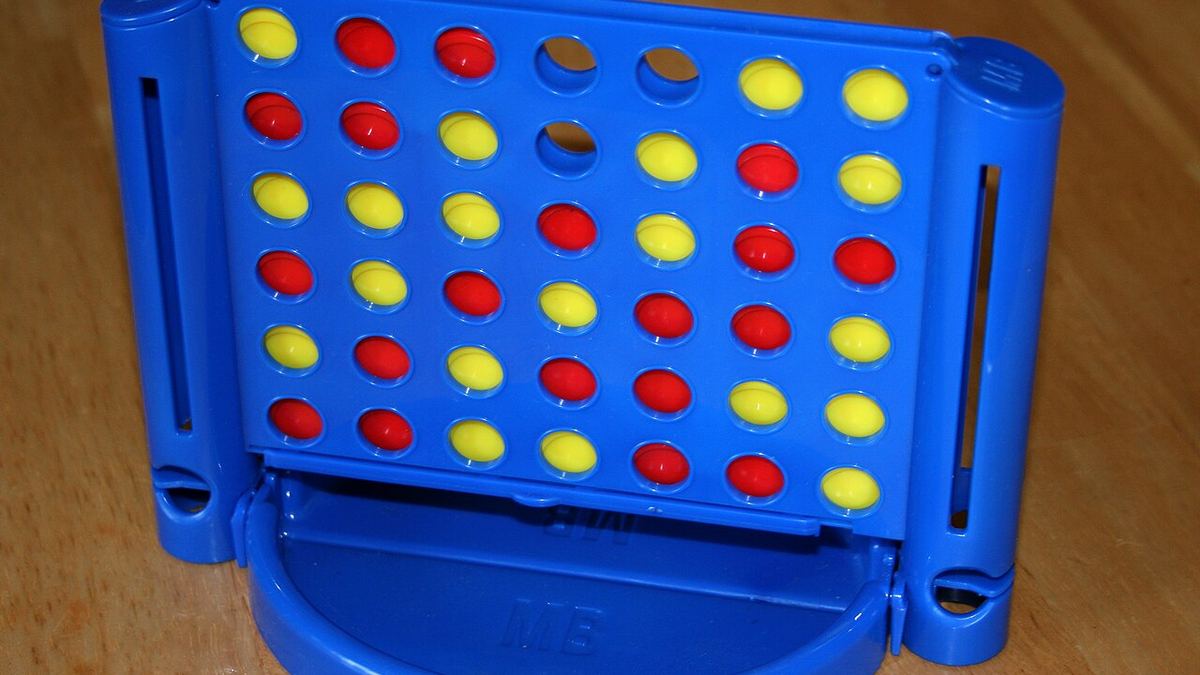
Connect Four, released by Milton Bradley in 1974, is one of the simplest games to learn. Players take turns dropping colored checkers into an upright grid, trying to line up four in a row horizontally, vertically or diagonally before their opponent does.
It is simple enough for a five-year-old, yet it rewards real strategy, such as blocking your opponent and setting up two threats at once. Games are short, so rematches are easy, and the satisfying clatter of checkers falling out at the end is part of the fun. It travels well too.
9.Othello
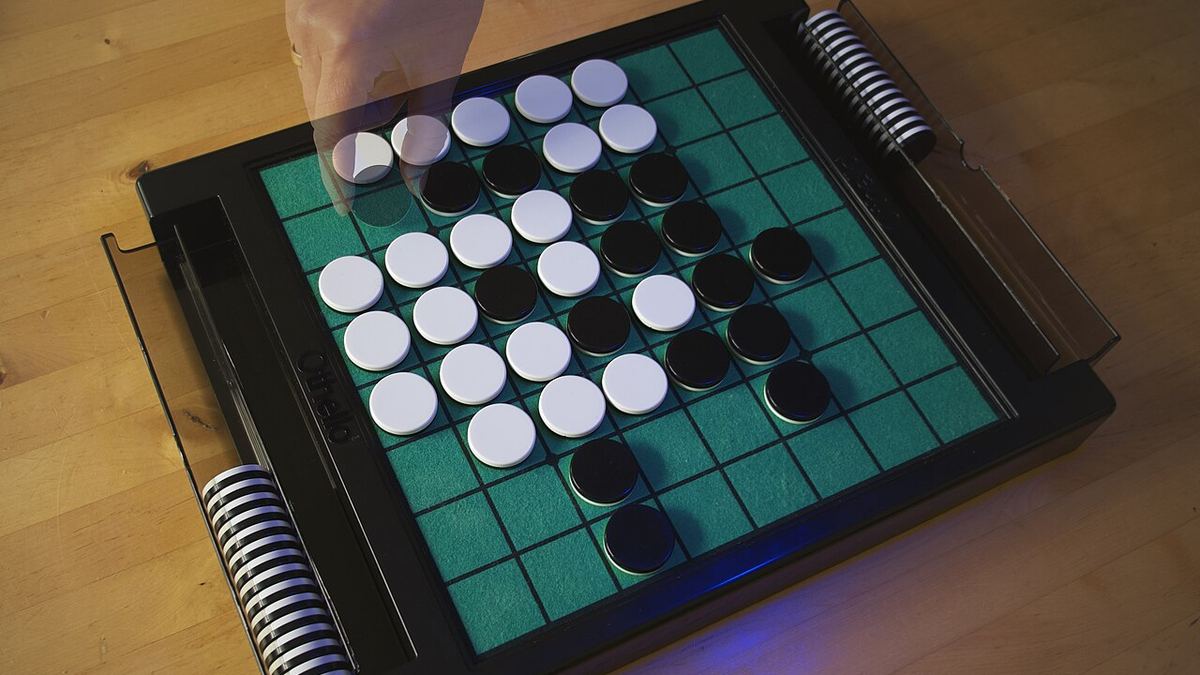
Othello, a modern version of the older game Reversi, was created in Japan and brought to America in the mid-1970s. Players place black and white discs on the board and flip their opponent's pieces by trapping them between their own.
Its famous slogan, "A minute to learn, a lifetime to master," is accurate. The rules are very simple, but the strategy is surprisingly deep, and the lead can change dramatically in the last few moves. It is an excellent two-player game for grandparents and older grandchildren, and many people play it online too.
10.Simon (1978)
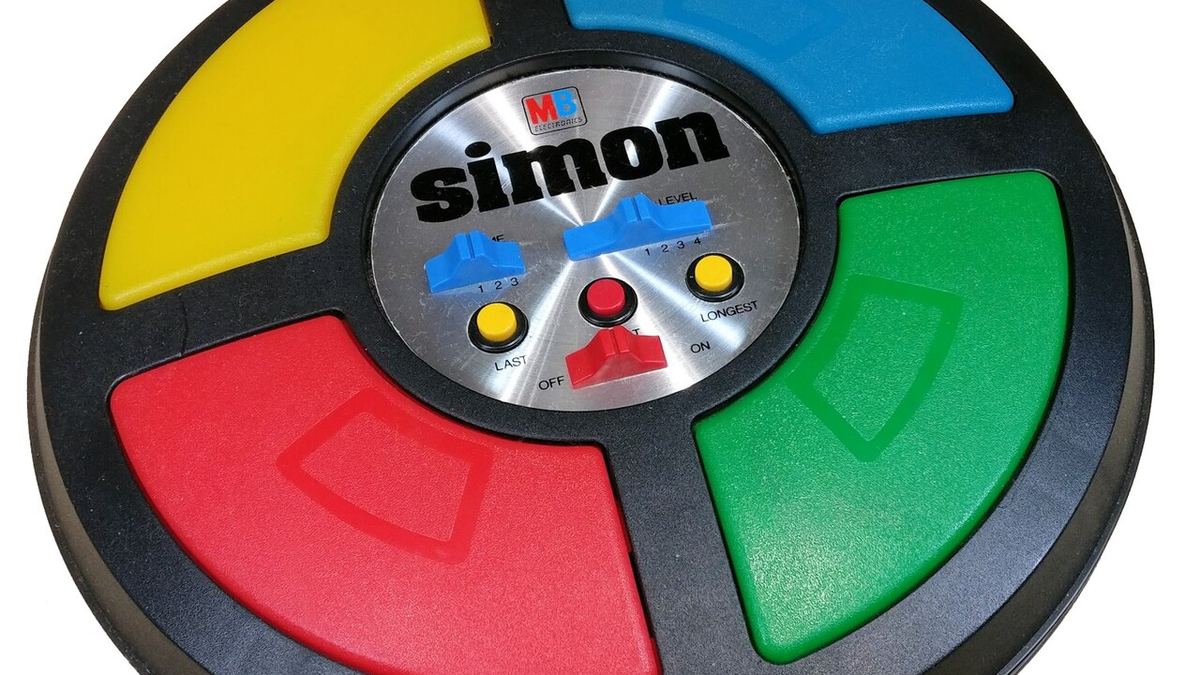
Simon, the flashing, beeping memory game, was a hit when it launched in 1978. It plays a sequence of colored lights and tones, and you repeat the sequence by pressing the colored buttons. Each round adds one more step, until someone makes a mistake.
It is still a fun way to see who in the family has the sharpest short-term memory, and it can be surprisingly competitive across generations. Some versions are now small enough to fit in a pocket. Taking turns and cheering each other on makes it a good party game too.
Trending now