
11 Classic Card Games to Teach Your Grandchildren
 By Tonya Rakhtorina
Published
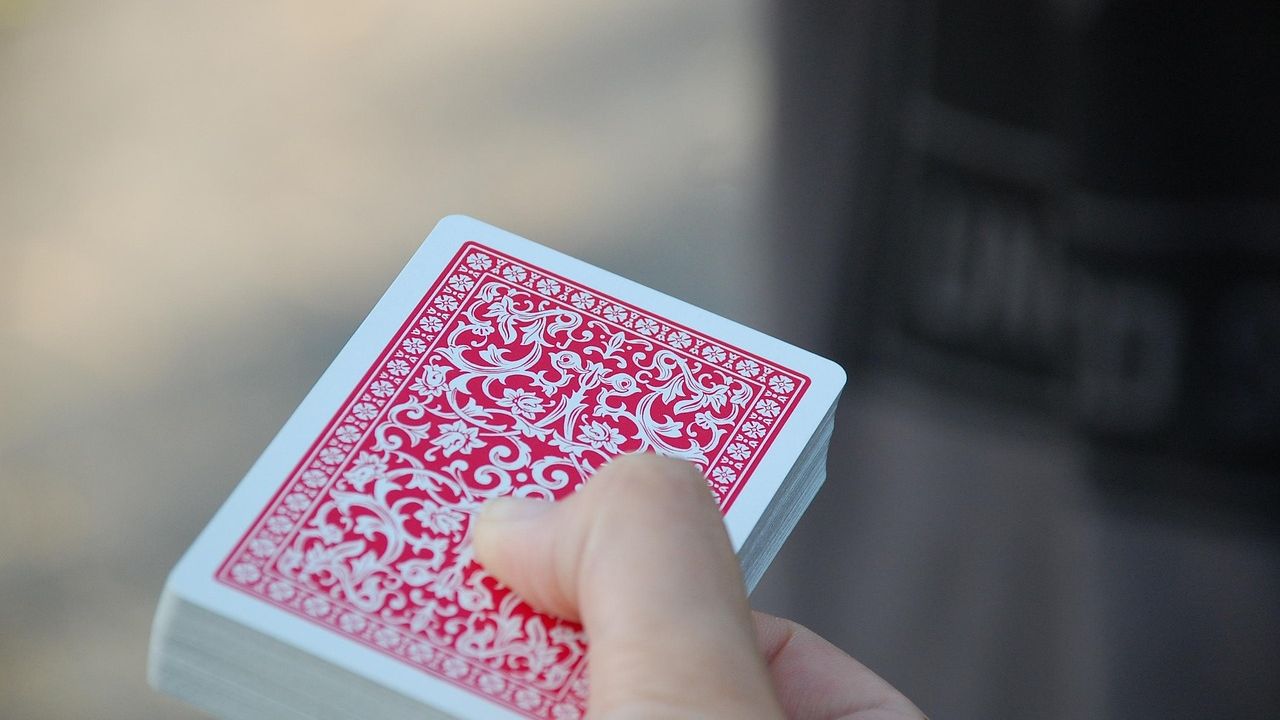
A deck of cards costs a couple of dollars, fits in a purse or pocket and works almost anywhere: at the kitchen table, on vacation, in a waiting room or during a power outage. There are no batteries to charge and no screens to fight over.
Card games also teach children more than you might expect: counting, matching, taking turns, remembering, planning ahead and, just as important, how to win and lose gracefully. Teaching a grandchild the games you grew up with is a gift that lasts, and many children will remember who taught them long after they forget the toys.
The eleven games below are arranged from the youngest players to older children. Ages are only a guide. Simplify the rules for younger children, and let older ones help teach the little ones.
1.War (Ages 3 and Up)
War is often the very first card game a child learns. Split the deck evenly between two players, and each player flips one card at a time. The higher card wins both cards. On a tie, it is "war": each player lays three cards face down and one face up, and the higher face-up card wins the whole pile.
No reading or strategy is required, just the ability to compare numbers, which makes it perfect for preschoolers learning which numbers are bigger. Games can go on for a long time, so feel free to set a timer and count cards at the end.
2.Go Fish (Ages 4 and Up)
In Go Fish, each player gets a hand of cards, and players take turns asking another player for cards of a certain rank, such as "Do you have any sevens?" If they do not, the answer is "Go fish," and the player draws from the pile. The goal is to collect sets of four.
It teaches matching, taking turns, polite asking and remembering who asked for what. Younger children can play with sets of two instead of four. Special children's decks with animals or colors are also available, but a regular deck works perfectly.
3.Old Maid (Ages 4 and Up)
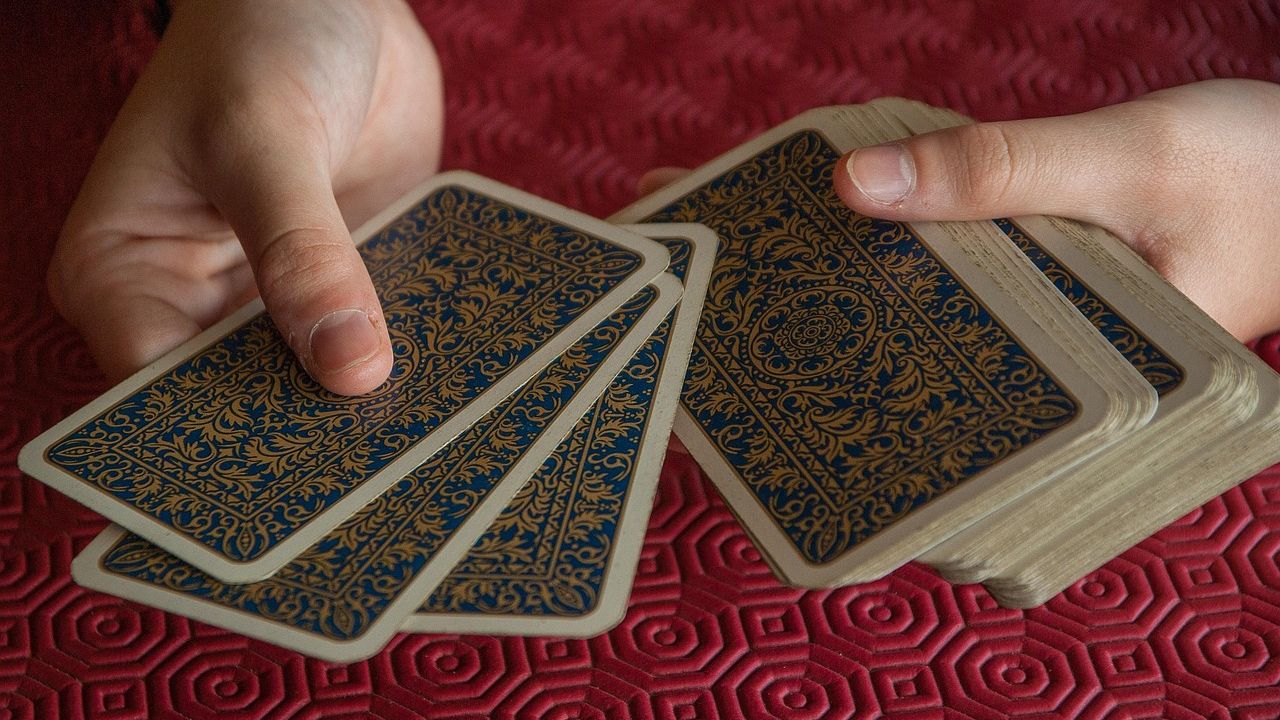
For Old Maid, remove one queen from a standard deck, deal all the cards out, and have everyone put down any matching pairs in their hands. Then players take turns drawing a card from the hand of the player next to them and putting down new pairs.
Whoever is left holding the lone queen at the end is the Old Maid and loses that round. Children love the suspense, and many try to hide their faces when the queen is picked. It teaches matching and a little poker-face practice. Some families use a joker instead of a queen.
4.Slapjack (Ages 4 and Up)
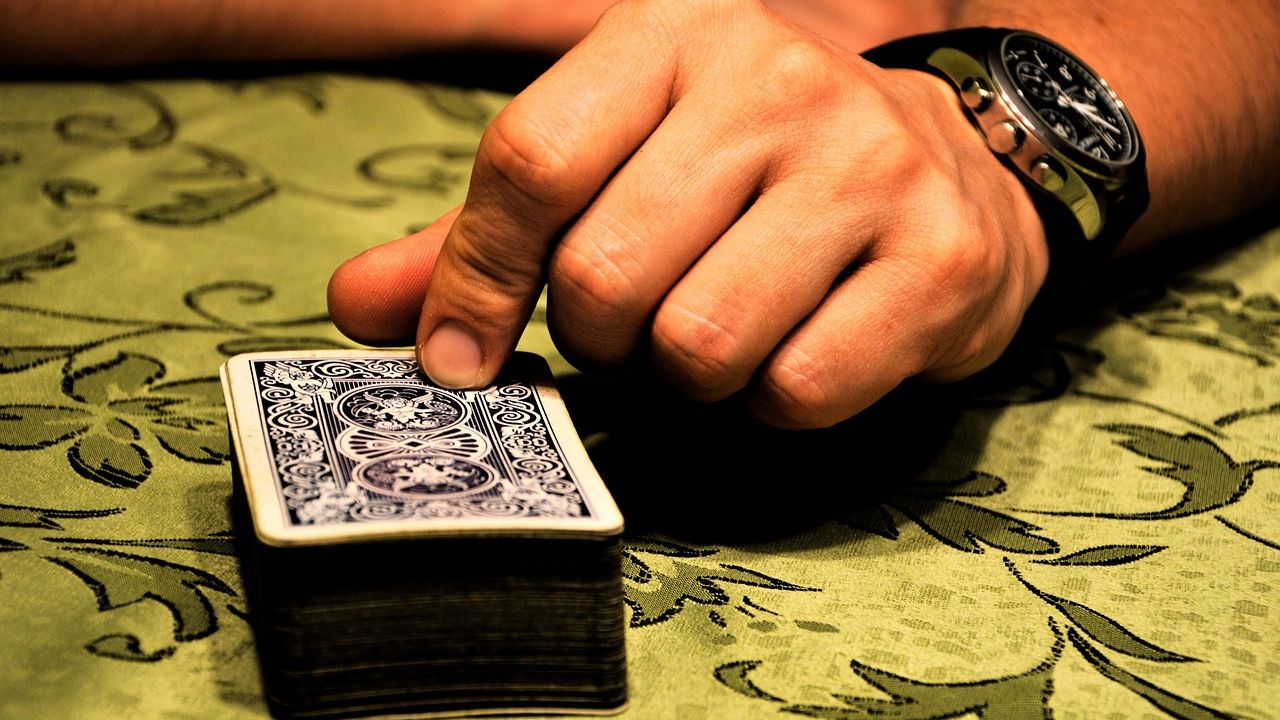
In Slapjack, the deck is dealt evenly, and players take turns flipping their top card onto a central pile. Whenever a jack appears, everyone races to slap it, and the first hand on the jack wins the whole pile. The player who collects all the cards wins.
It is noisy, fast and full of giggles, and it rewards quick eyes rather than skill, so young children can often beat adults. Set a rule about gentle slapping, especially with little hands, and keep jewelry like rings out of the way.
5.Concentration (Ages 4 and Up)
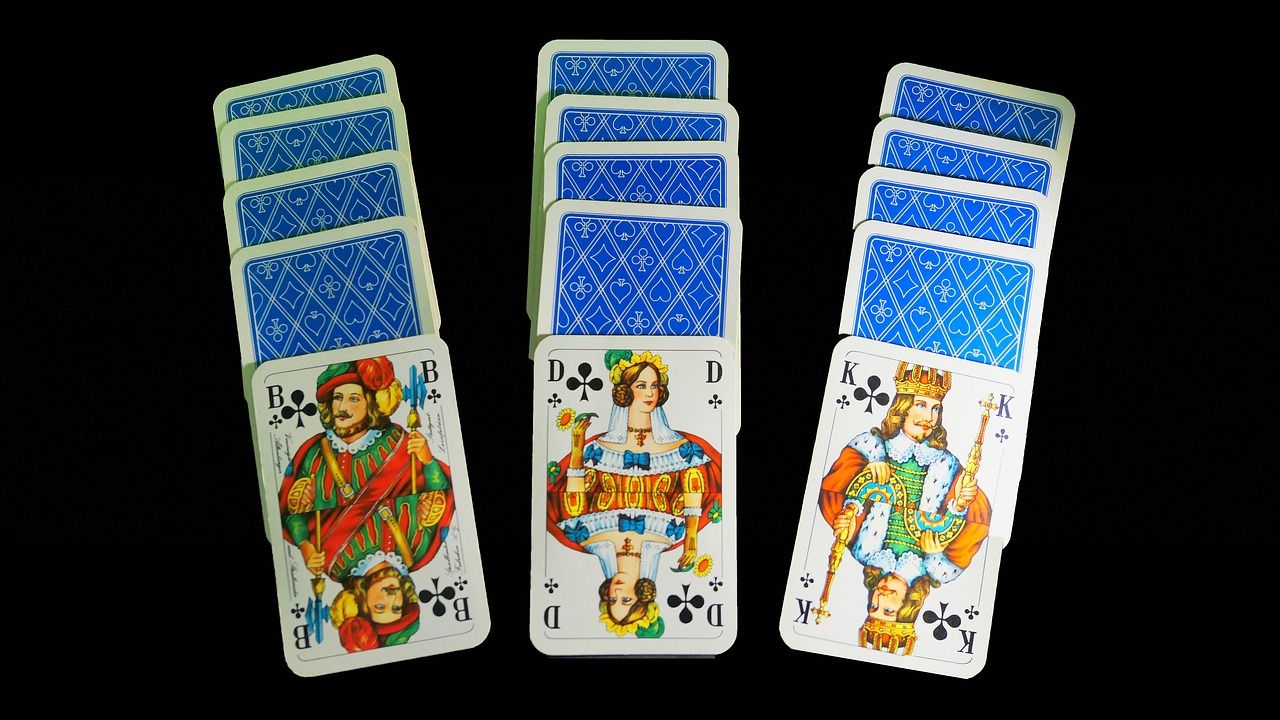
For Concentration, also called Memory, lay all the cards face down in neat rows. Players take turns flipping two cards at a time. If they match, the player keeps them and goes again. If not, the cards are turned back over, and everyone tries to remember where they were.
Grandparents do not always win, which kids love, because children often have excellent short-term memory. Use fewer cards for young children, such as only the number cards. It is also a good mental workout for adults.
Page 1 of 3