
11 Classic Card Games to Teach Your Grandchildren
 By Tonya Rakhtorina
Published
6.Crazy Eights (Ages 5 and Up)
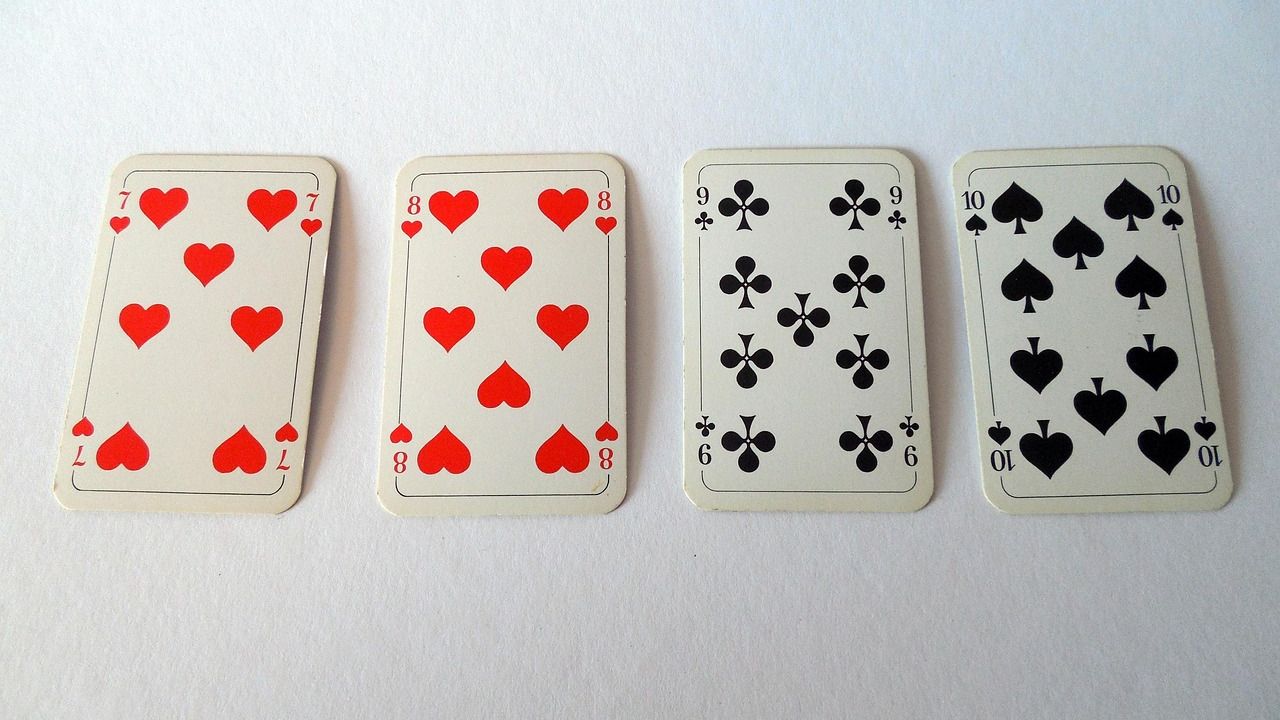
In Crazy Eights, each player gets a hand of cards and tries to play them onto a discard pile by matching the top card by suit or number. If you cannot match, you draw. Eights are wild: play one to change the suit to whatever you choose.
The first player out of cards wins. It teaches matching suits and numbers and a little strategy about when to play your eights. It is a forerunner of the popular commercial game many children already know, so they pick it up quickly.
7.Spoons (Ages 6 and Up)
For Spoons, place one fewer spoon than players in the middle of the table. Each player gets four cards, and players quickly pass cards around the circle, trying to collect four of a kind. When someone gets four of a kind, they quietly grab a spoon.
Then everyone scrambles to grab one too, and the player left without a spoon gets a letter, spelling out S-P-O-O-N. It is loud, exciting and great for big family gatherings. Remind players to be gentle when grabbing.
8.Kings in the Corner (Ages 6 and Up)
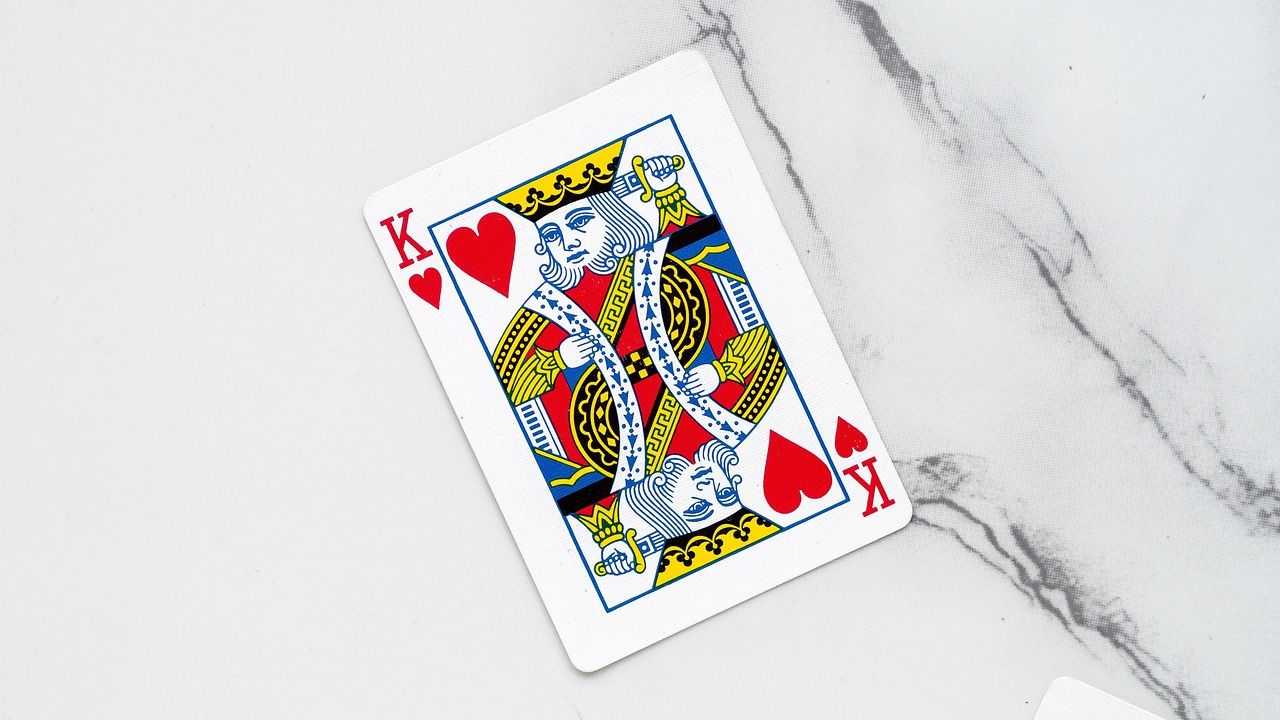
Kings in the Corner is a friendly game where four piles are laid out around the deck, and players build down in alternating colors, such as a red seven on a black eight. Kings start new piles in the corners, and piles can be moved to combine them.
The first player to play all their cards wins. It is like solitaire for a group, and it teaches sequencing, colors and planning ahead. It is relaxed enough for conversation, which makes it a favorite at family gatherings, and adults enjoy it too.
9.Speed (Ages 7 and Up)

Speed is a fast game for two players who race at the same time instead of taking turns. Each player tries to play cards one higher or one lower onto two center piles as quickly as possible, and the first to get rid of all their cards wins.
It sharpens quick thinking, number sense and reflexes, and older kids often become very hard to beat. Start slowly while children learn the rules, then pick up the pace. It is a great game for energetic grandchildren who get bored easily.
10.Rummy (Ages 7 and Up)
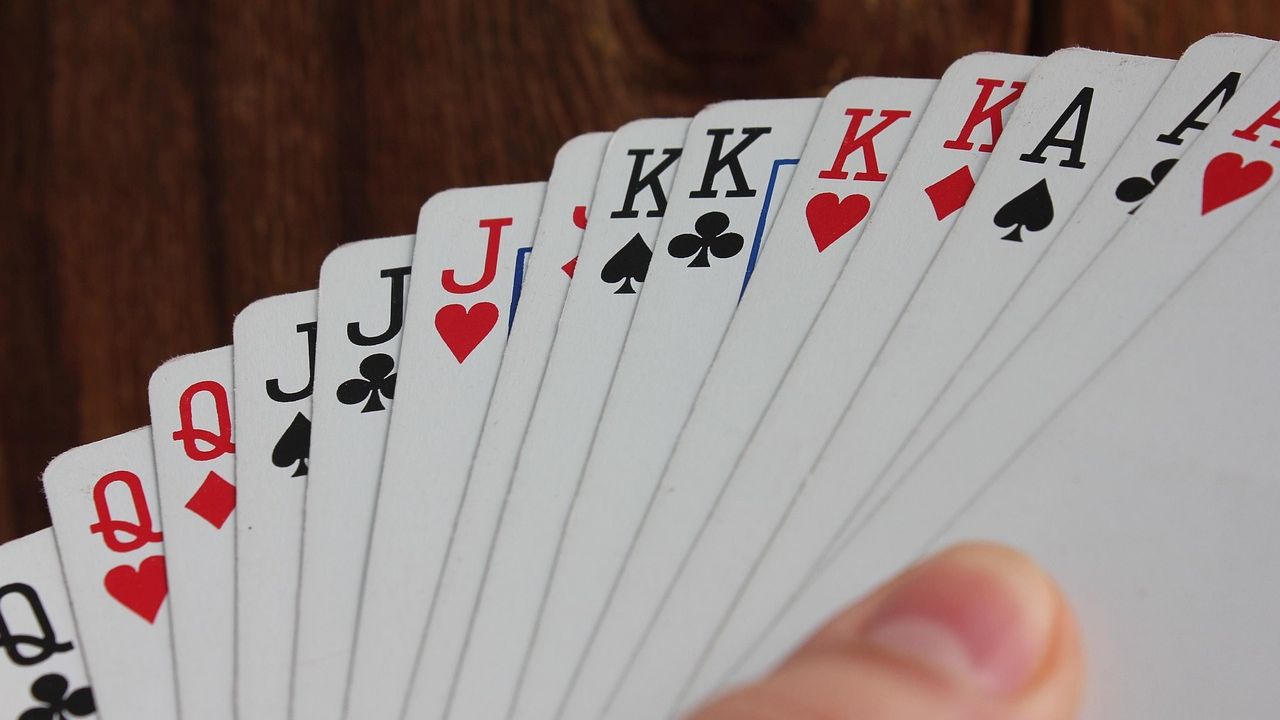
In Rummy, players try to collect sets of three or four cards of the same rank, such as three kings, and runs of three or more cards in the same suit, such as the four, five and six of hearts. Players draw and discard on each turn until someone lays down all their cards.
Rummy teaches planning ahead, recognizing patterns and keeping track of what others are collecting. It is easy to adjust for younger players by keeping score simply or playing with open hands at first. Gin rummy is a popular two-player version.
Page 2 of 3