
10 Money Leaks to Check in Your Budget This Month
This article is general information, not financial or legal advice. Prices, rules and offers change, so check with the provider or the official source before you decide. How we check facts.

Small, regular charges are easy to overlook. A few dollars here for an app, a fee there for an ATM, a bill that crept up at renewal. None of them feels like much on its own, but together they can cost hundreds or even thousands of dollars a year, money that could go toward travel, the grandchildren or simply a bit more peace of mind.
On a fixed income, plugging these leaks is one of the easiest ways to give yourself a raise. You do not need a complicated budget app. Set aside one afternoon, gather your last two months of bank and credit card statements, pour a cup of coffee and go through this list one item at a time.
1.Forgotten Subscriptions
Go through your last two bank and credit card statements line by line and highlight every recurring charge. Streaming services, music apps, news sites, cloud storage, gym memberships and "free trials" that quietly turned into paid plans are easy to miss, especially when they come in at a few dollars each.
For every charge, ask yourself one question: did I use this last month? If not, cancel it. Most services let you cancel online in your account settings. If you share a family plan, check whether you are paying for a service someone else already covers. Repeat this check twice a year.
2.Your Cable or Satellite Bill

Cable and satellite bills tend to rise after promotional rates end, and many of us pay for hundreds of channels while watching a handful. Call your provider and ask plainly whether a cheaper package is available. Mentioning that you are considering canceling often gets you to the retention department, which has the best offers.
Also consider whether you would be happy with a streaming service or two plus a digital antenna for free local channels, including network news and sports. An antenna costs a one-time fee and many people find the picture quality excellent. Free, ad-supported streaming services offer a surprising amount of content too.
3.Home and Auto Insurance

Insurance rates often creep up quietly at each renewal, even when your driving record and home have not changed. Loyalty is rarely rewarded. Once a year, get quotes from two or three other companies for the same coverage, and use them to ask your current insurer for a better rate.
Ask about bundling home and auto with one company, and about discounts for low mileage if you drive less since retiring. Many states require or encourage discounts for drivers who complete an approved mature driver safety course, which you can often take online. Raising your deductible a little can lower your premium too.
4.Medicare Drug and Health Plans

Medicare drug and health plans change their costs, covered drugs and pharmacy networks every year. A plan that was a great fit last year may cost much more this year, even if your medications stayed the same. Read the Annual Notice of Change that your plan sends each fall.
Use Medicare Open Enrollment, which runs from October 15 to December 7, to compare your options with the plan finder on Medicare.gov. Enter your exact drugs and preferred pharmacy. Free, unbiased help is available from your State Health Insurance Assistance Program (SHIP), which can walk you through the comparison by phone or in person.
5.Bank and ATM Fees
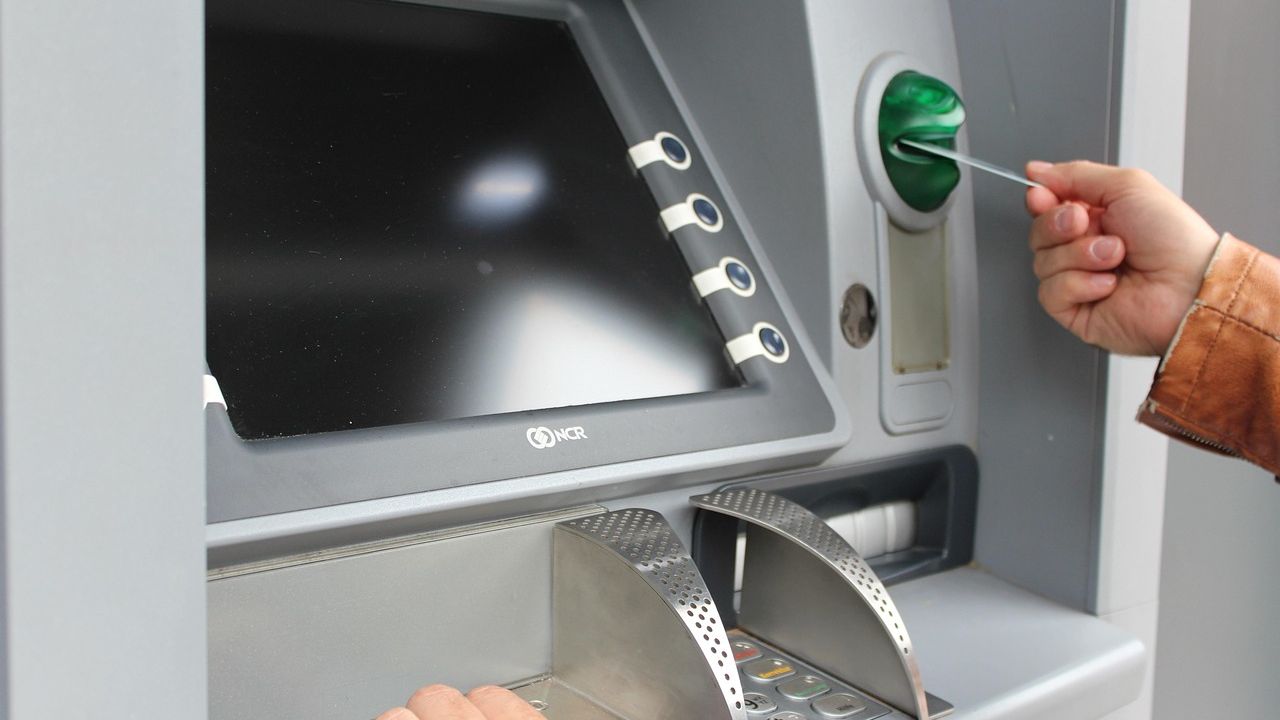
Monthly maintenance fees, paper statement fees, overdraft charges and out-of-network ATM fees add up quickly. Using another bank's ATM can cost you twice, once from that bank and once from your own.
Many banks and credit unions waive monthly fees for customers over a certain age, for those who keep a minimum balance, or for those with direct deposit of Social Security. Ask your bank which accounts have no fees, and switch if necessary. Find in-network ATMs with your bank's app, or get cash back when you shop at the grocery store, which is usually free.
Page 1 of 2