10 Money Leaks to Check in Your Budget This Month
6.Your Phone Plan
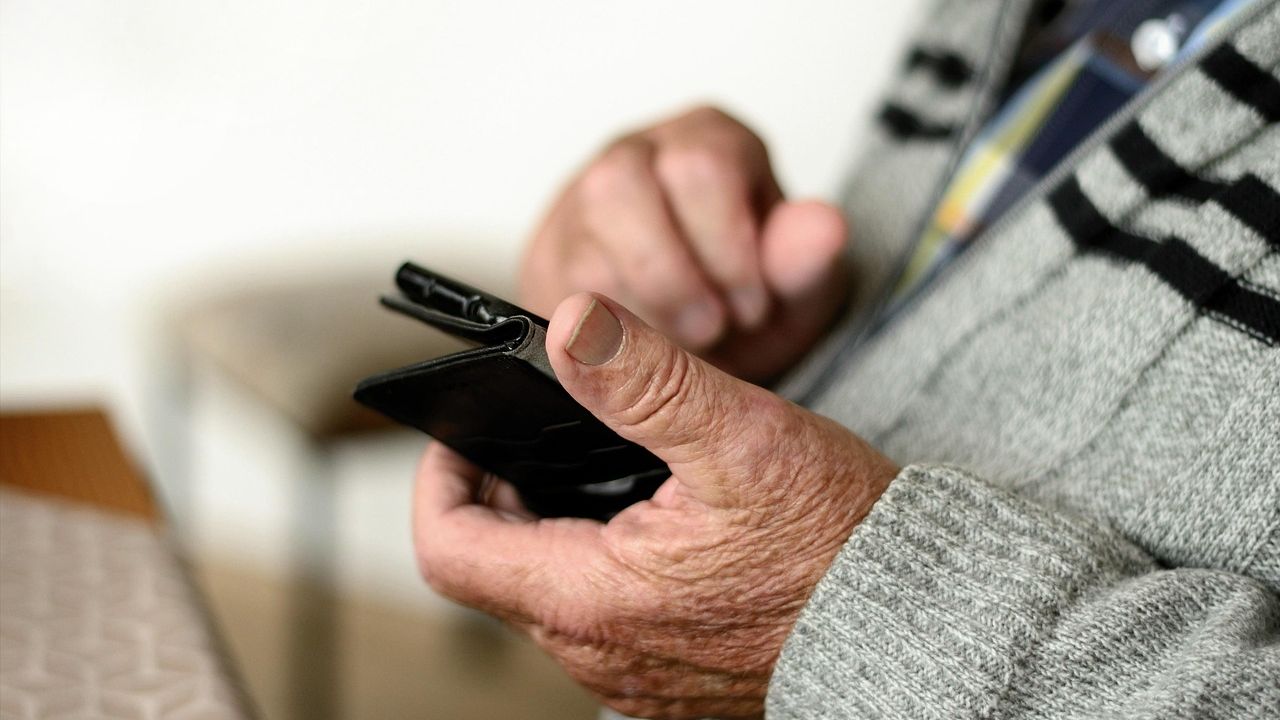
Phone plans are a common place to overpay. If you mostly use Wi-Fi at home, you may be paying for far more data than you need. Look at your actual usage over the last few months, which you can find in your carrier's app or on your bill.
Many carriers offer plans designed for customers 55 and older, often with lower prices for one or two lines. Prepaid plans and smaller carriers that use the big networks can cost much less for the same coverage. Before you switch, check whether your phone is paid off, so you do not owe a remaining balance.
7.Credit Card Interest
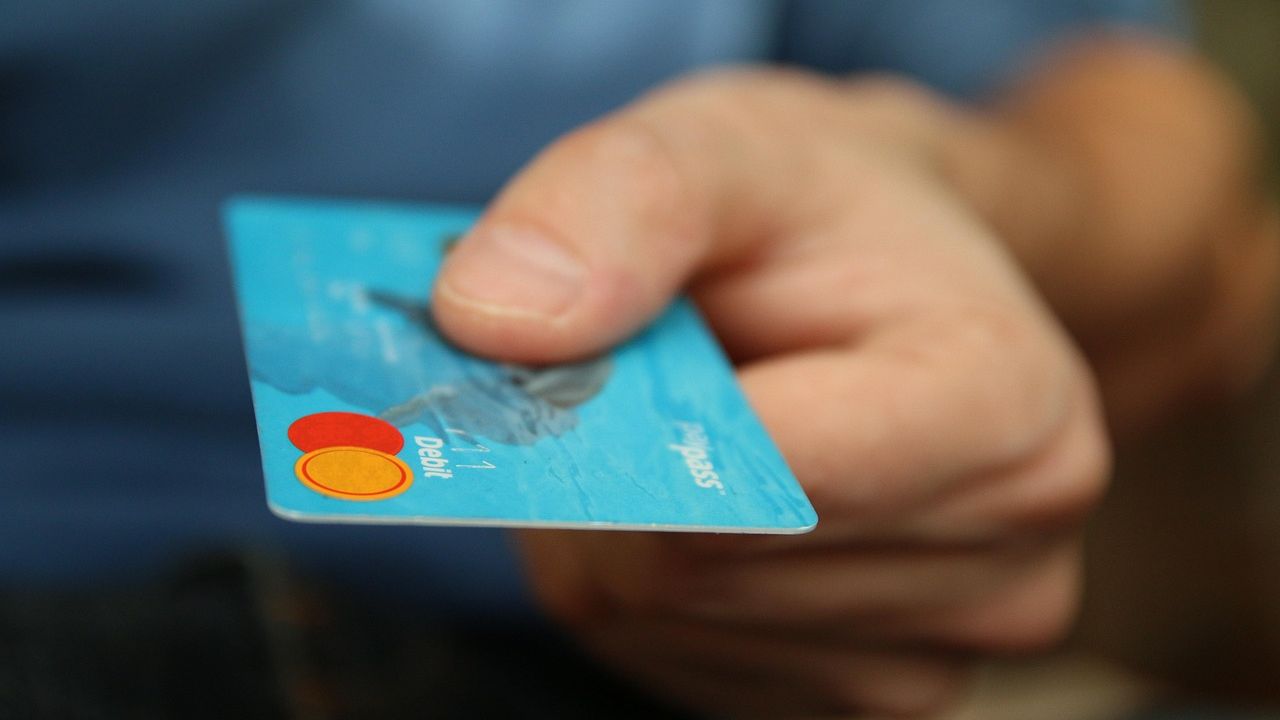
Credit card interest is often the biggest hidden cost in a budget. At typical rates, carrying a balance of a few thousand dollars can cost hundreds a year in interest alone, and paying only the minimum can stretch repayment out for many years.
Pay more than the minimum, and put any extra money toward the card with the highest interest rate first. Call your card issuer and ask for a lower rate. If you have a good payment history, they often agree. Be cautious with balance transfer offers: read the transfer fee and what the rate becomes after the promotional period ends.
8.Extended Warranties

Extended warranties and protection plans are offered on everything from appliances and electronics to cars, and they are big profit makers for the companies that sell them. Many overlap with coverage you already have from the manufacturer's warranty or your credit card.
Before you buy or renew one, check what protection you already have. Some credit cards extend the manufacturer's warranty on purchases made with them. Look at how often the item actually needs repair and what a repair would cost compared with the plan price. For many items, setting that money aside in a repair fund works out better.
9.Energy Use

Heating, cooling and electricity are some of the biggest monthly bills, and small changes add up. Switching to LED bulbs, which use much less energy than old incandescent bulbs and last for years, is one of the easiest wins.
A programmable or smart thermostat can lower heating and cooling costs by adjusting the temperature at night or when you are out. Sealing drafty windows and doors with weatherstripping keeps warm air in. Many utilities offer free or low-cost home energy checkups and rebates, and low-income households may qualify for heating assistance through LIHEAP.
10.Unclaimed Money
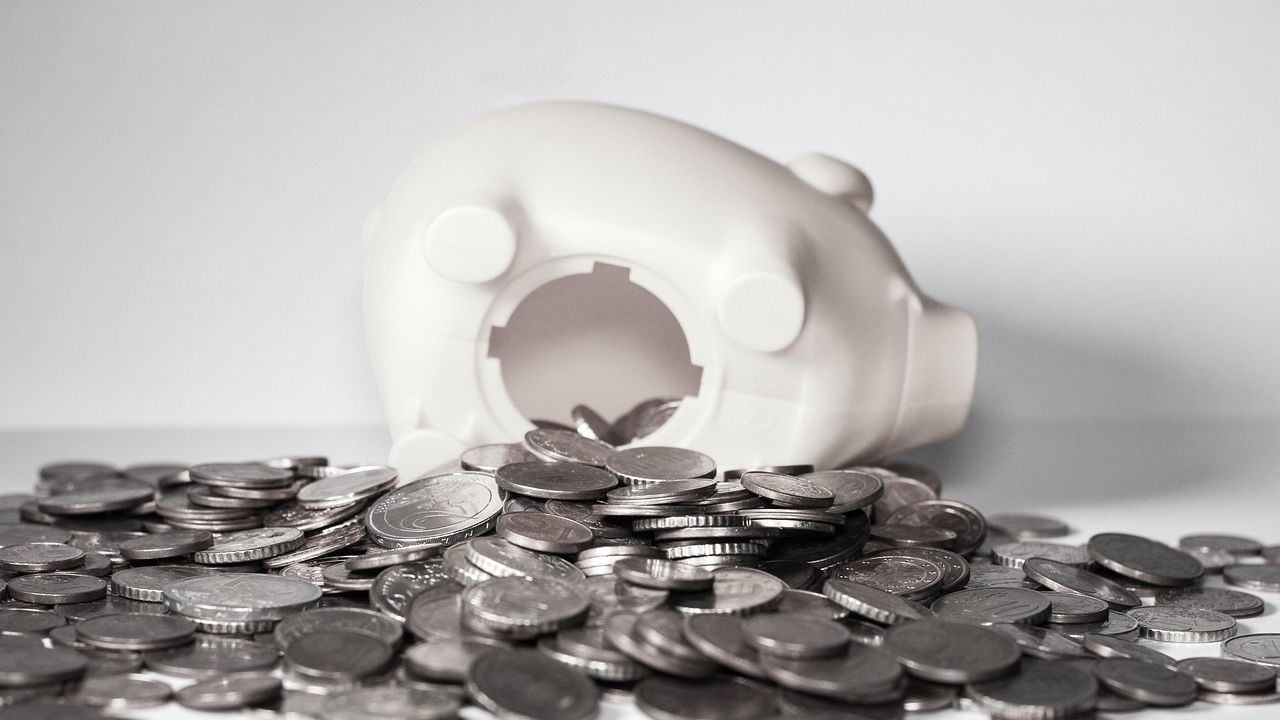
States hold billions of dollars in forgotten bank deposits, uncashed checks, utility deposits, insurance payouts and refunds. Money becomes unclaimed when a company cannot reach the owner, often after a move, a closed account or the death of a relative.
Search your name, free of charge, at MissingMoney.com, which is endorsed by the National Association of Unclaimed Property Administrators, or on your state's official unclaimed property website. Search every state you have lived in, and the names of parents or a late spouse if you are an heir. Never pay a company to find unclaimed money for you, since searching is free.
Sources
This article is general information, not financial or legal advice. Prices, rules and offers change, so check with the provider or the official source before you decide. How we check facts.
Trending now