
14 School Memories Every Baby Boomer Shares
 By Tonya Rakhtorina
Published
6.Metal Lunch Boxes
Lunch boxes were made of metal, decorated with cowboys, astronauts, cartoon characters and favorite TV stars, and came with a matching thermos. Choosing a new lunch box each fall was a big decision that said a lot about who you were.
The thermos often had a glass liner that broke if you looked at it wrong, leaving it rattling with a faint tinkling sound. Metal lunch boxes were also known to double as weapons in schoolyard scuffles. Today, vintage lunch boxes are popular collectibles, some worth a surprising amount.
7.Scholastic Book Orders
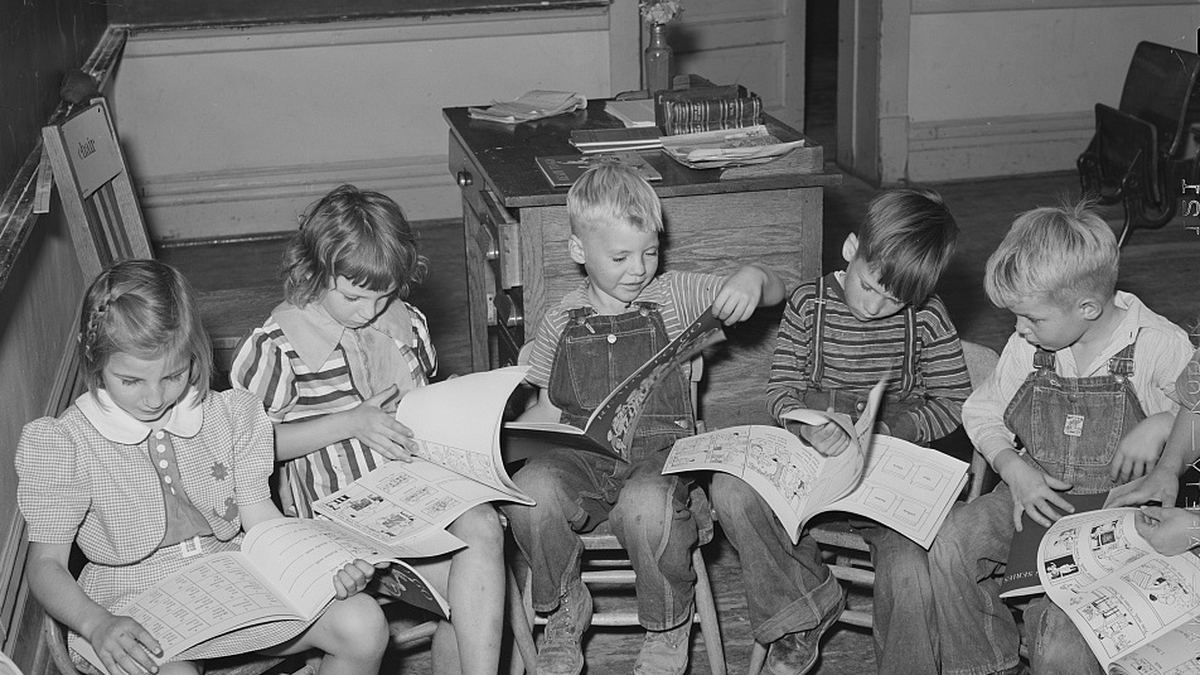
The thin Scholastic book order form came home, printed on newsprint and filled with paperback books, posters and the occasional novelty item. You circled your choices, counted your coins and begged your parents for a little extra.
Then you waited, sometimes for weeks. The day the box of books arrived in class felt like a holiday, as the teacher handed out the orders one by one. For many children, these were the first books they ever owned, and the program helped make reading a lifelong habit.
8.Weekly Reader
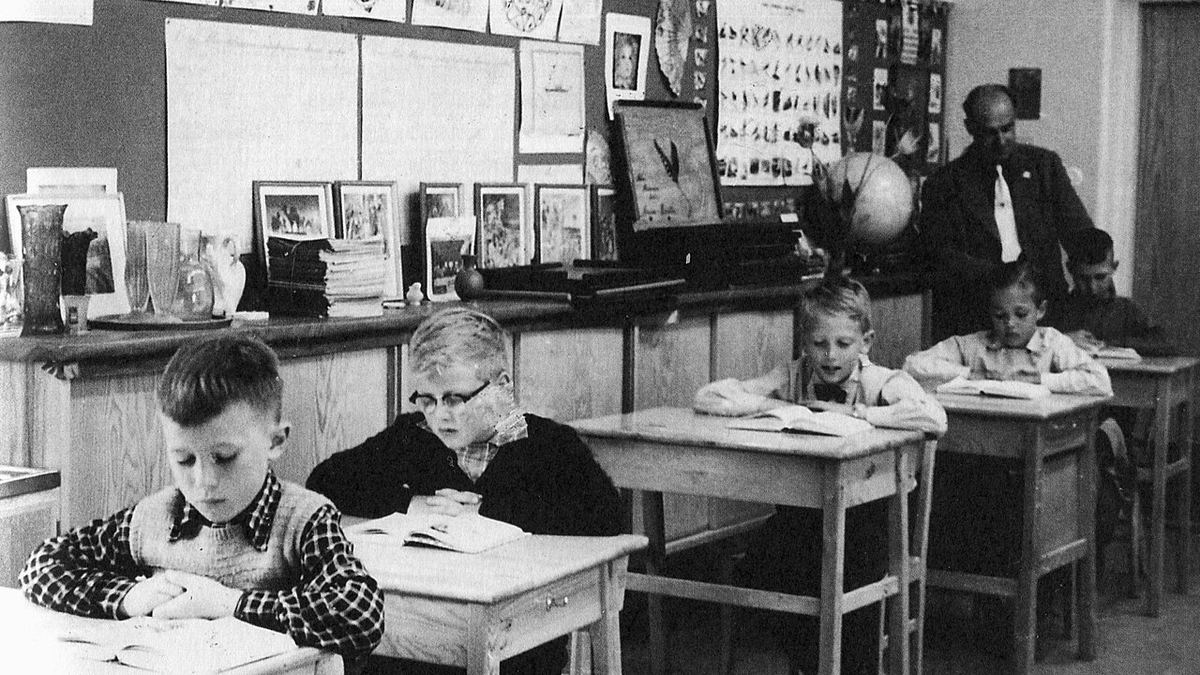
Weekly Reader, a classroom newspaper for children, brought current events down to kid size, with stories about space launches, animals, inventions and the world beyond your town. It arrived at school each week and was read together in class.
For many baby boomers, Weekly Reader was the first newspaper they ever read, and it covered big moments like the space race in terms kids could understand. Some issues included quizzes and puzzles. It was published for decades and later merged with another children's publication.
9.The Fitness Test
Pull-ups, sit-ups, the shuttle run, the softball throw and the long run. The physical fitness test, promoted by the President's Council on Physical Fitness starting in the 1960s, was a yearly ordeal for some and a chance to shine for others.
Students who did well could earn a patch or certificate. Others dreaded the day all year, especially the pull-ups. Gym class itself often meant matching uniforms, calisthenics and climbing a thick rope to the ceiling. The fitness test was replaced by a different program in later years.
10.Penmanship Practice
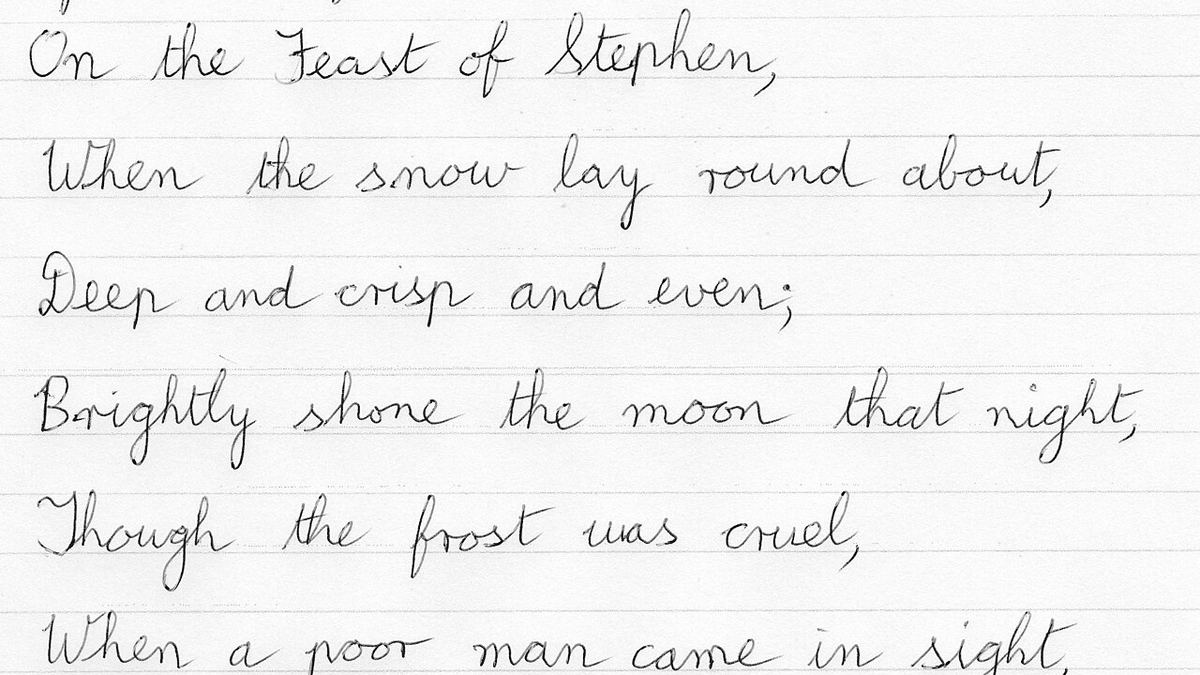
Rows of loops and slants filled lined paper as teachers drilled cursive handwriting, often using methods like Palmer or Zaner-Bloser, with alphabet cards running across the top of the chalkboard. Students practiced the same letters over and over until they were just right.
A neat signature was considered a sign of good character and discipline. Left-handed students sometimes had a hard time, and some were even pushed to write with their right hand. Today, many schools teach little or no cursive, and many grandchildren cannot read their grandparents' letters.
Page 2 of 3