14 School Memories Every Baby Boomer Shares
 By Tonya Rakhtorina
Published
11.Picture Day
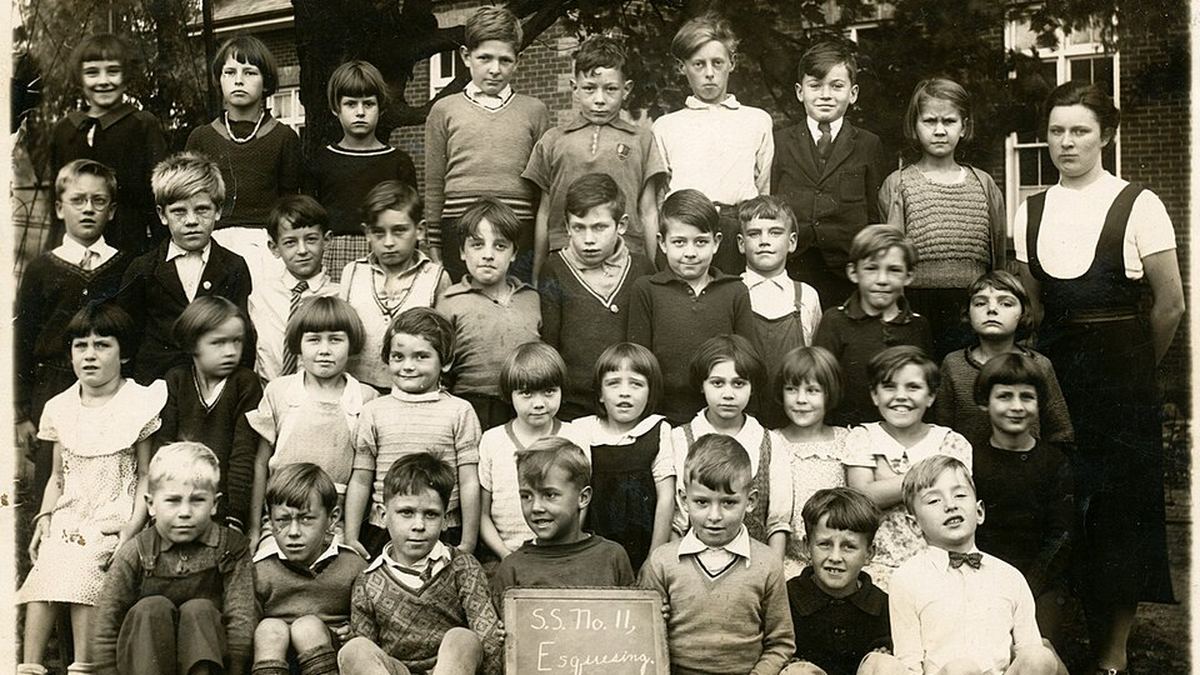
On picture day, mothers sent kids off in their best clothes, with hair carefully combed and sometimes freshly cut. Photographers lined students up and handed out small plastic combs, which many children kept for years.
Despite all the preparation, one stray cowlick, a missing tooth or a crooked collar was preserved forever in the yearbook. Retakes were sometimes possible, but many children were stuck with whatever the camera caught. These photos are treasured today and often show up at family gatherings, to much laughter.
12.The Card Catalog
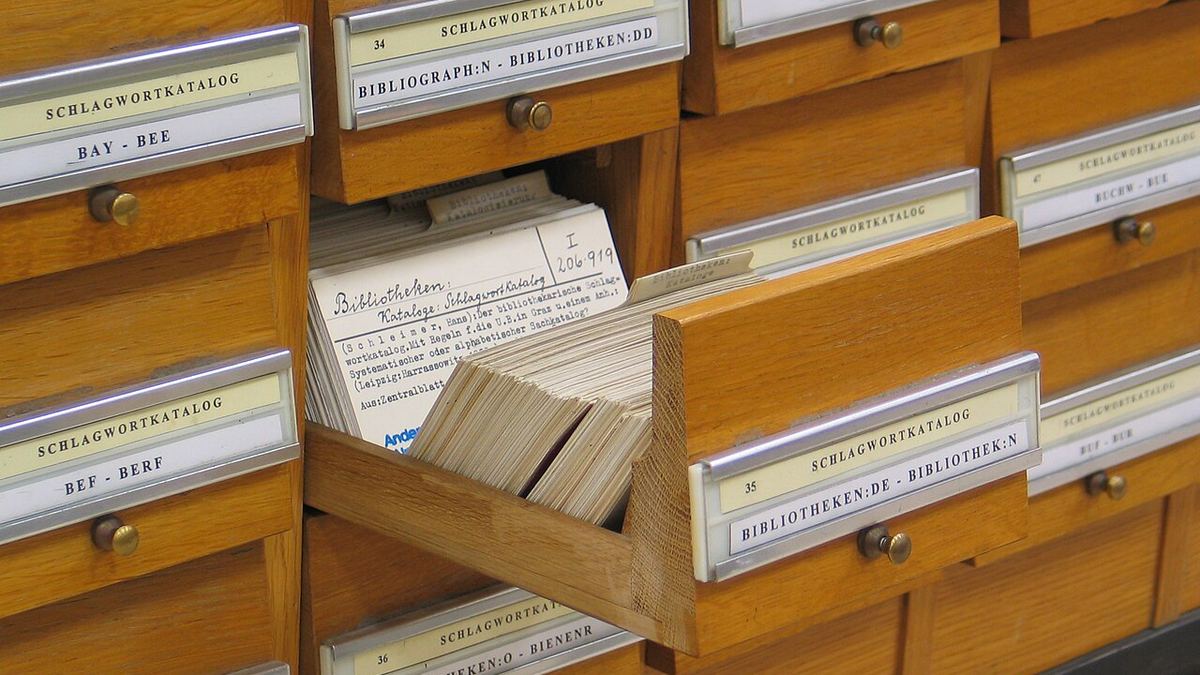
Finding a library book meant pulling out a long wooden drawer from the card catalog and flipping through typed index cards, organized by author, title and subject. Then you hunted the shelves by Dewey Decimal number, which every student had to learn.
The librarian stamped the due date card in the back of the book with a satisfying thump, and you could see the names of everyone who had borrowed it before you. Computer catalogs replaced card catalogs in most libraries by the 1990s, and many wooden cabinets were sold or repurposed.
13.Home Ec and Shop Class
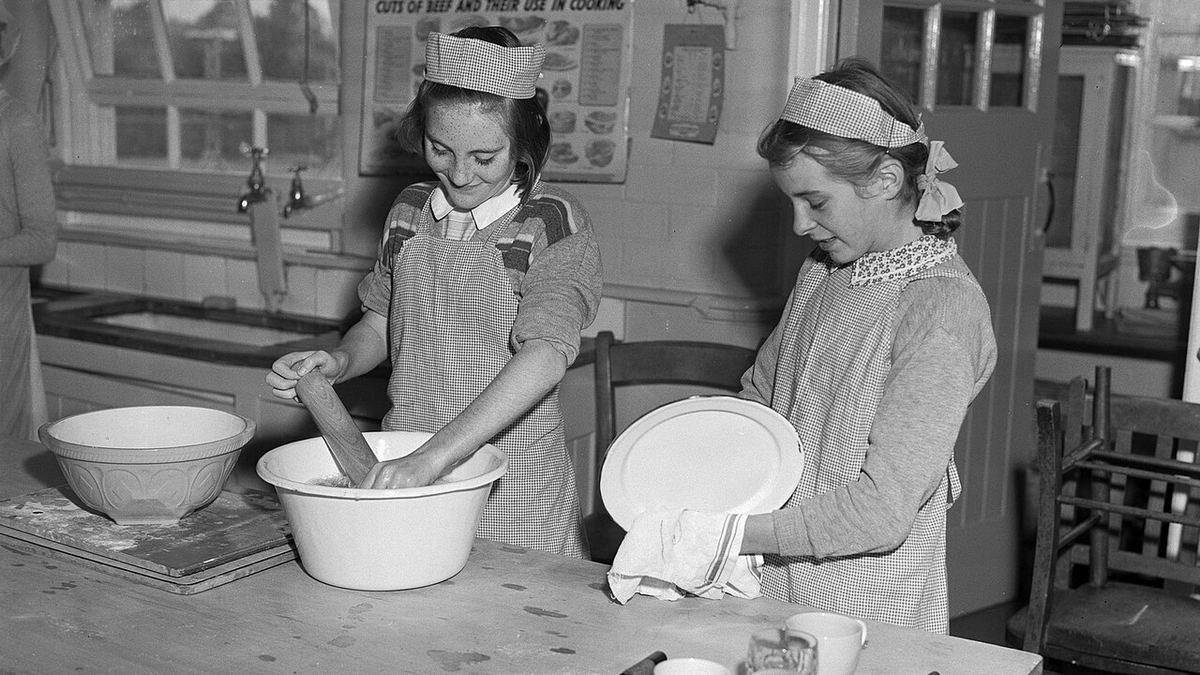
In many schools, girls usually took home economics, learning to sew aprons, bake muffins and plan meals, while boys took shop class, building birdhouses, bookends and lamps from wood and metal. The split reflected the expectations of the era.
Many of those projects are still sitting in family basements, closets and kitchens, decades later. Today, these classes are often open to everyone and called family and consumer sciences or technology education. The practical skills, from sewing on a button to using a saw, stayed with many people for life.
14.Typing Class
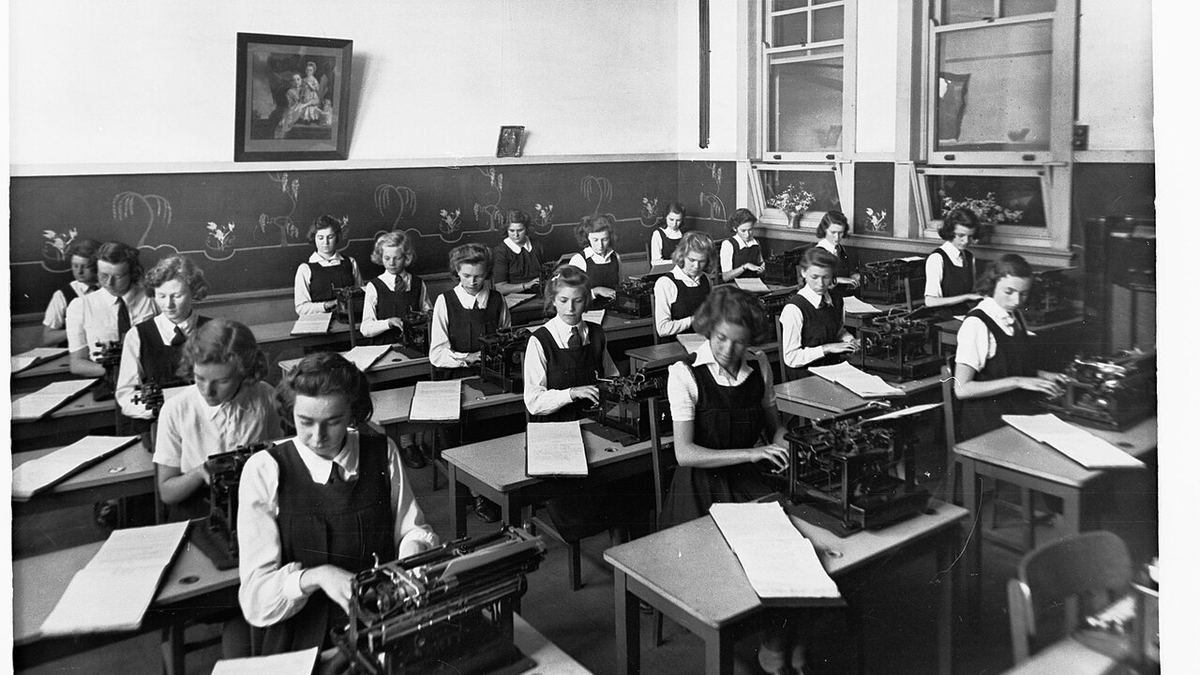
Rows of manual typewriters clattered as students typed "a-s-d-f j-k-l-semicolon" over and over, often with a cover over the keys so they could not look. Teachers timed students and counted errors, and correcting mistakes meant erasers or correction tape.
Typing was often considered a business skill for future secretaries and clerks. Nobody guessed how useful it would become. When computers and email arrived decades later, those who had learned to touch-type were far ahead. Many people still type quickly today thanks to those drills.
Trending now