14 Places Where It Pays to Ask About a Senior Discount
11.College Classes

Many public colleges and universities let older residents audit classes for free or at a reduced cost, and some states have laws that waive tuition for residents above a certain age. Auditing means you attend the class and learn without earning credit or taking exams.
Check with the admissions or continuing education office of a school near you. Ask about lifelong learning programs too, such as the Osher Lifelong Learning Institutes at many universities, which offer courses and lectures designed for adults over 50, usually with an affordable annual membership.
12.Property Taxes

Many states and counties offer property tax exemptions, credits or freezes for older homeowners. Some reduce the taxable value of your home, while others freeze the assessed value so your bill does not rise. Qualification often depends on age, income and how long you have owned the home.
These programs are rarely applied automatically. You usually need to apply, sometimes only once and sometimes every year. Your county assessor's office or tax collector can tell you what you qualify for and how to apply. Some states also offer property tax deferral for older homeowners.
13.Utility Bills
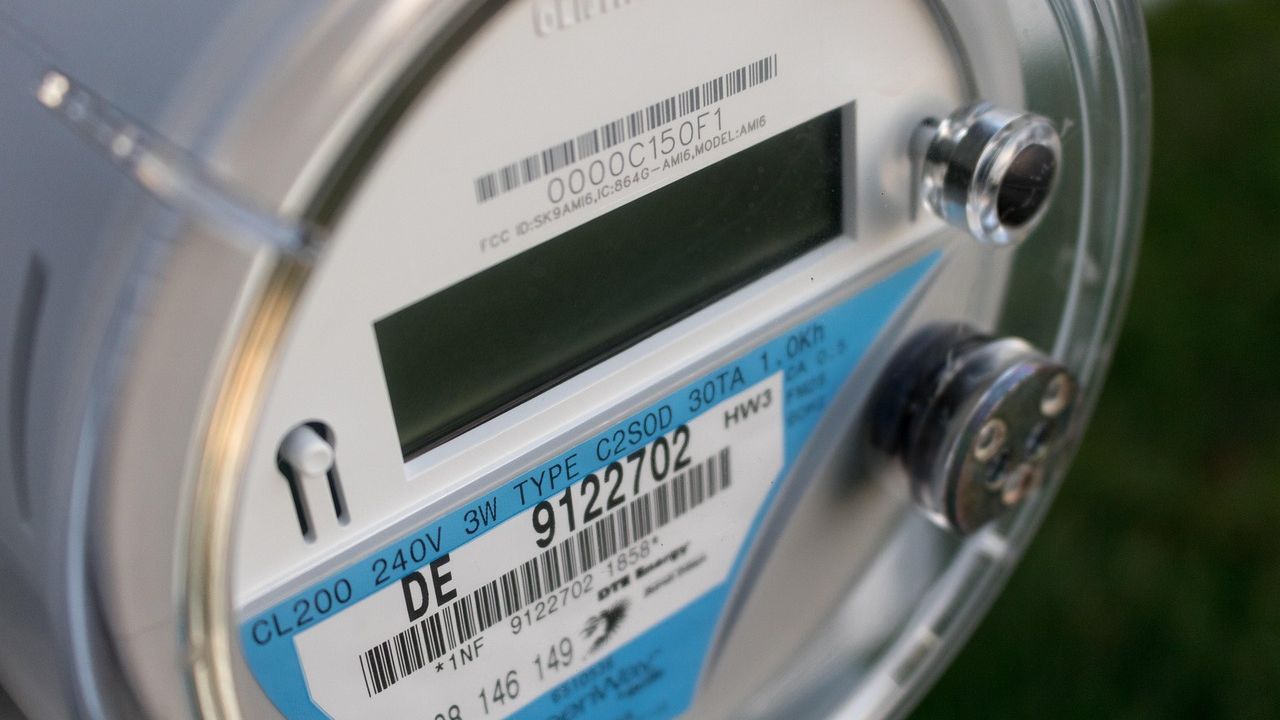
Utility companies and the federal Low Income Home Energy Assistance Program, known as LIHEAP, offer help with heating and cooling bills to households that meet income limits. Some utilities also have discount plans for older customers or for those with medical equipment at home.
Ask your utility company about payment plans that spread costs evenly across the year, which can help with budgeting. Many utilities also offer free weatherization or energy audits that lower bills over time. Your local Area Agency on Aging can tell you about other assistance programs in your area.
14.Prescriptions

Prescription drug prices can vary widely between pharmacies, sometimes by many dollars for the same medicine. Ask your pharmacist whether a generic version, a 90-day supply or a different pharmacy, including a mail-order pharmacy, would cost less.
If you have a Medicare drug plan, check your plan's preferred pharmacies, which usually have lower copays. Drug discount cards and manufacturer assistance programs can help with some medications, but compare them with your plan price. Never stop or change a medication without talking to your doctor first.
Sources
This article is general information, not financial or legal advice. Prices, rules and offers change, so check with the provider or the official source before you decide. How we check facts.
Trending now