
12 Ways to Save on Groceries Without Clipping Coupons
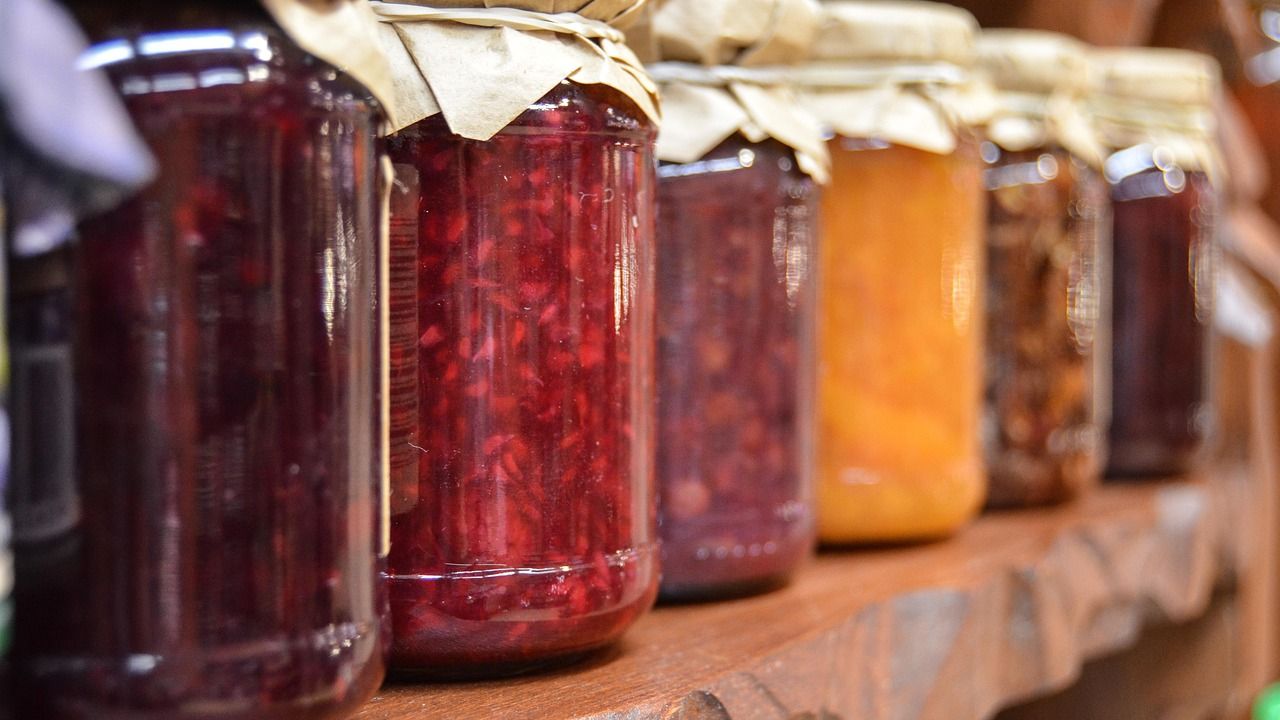
Grocery prices have climbed in recent years, and many of us feel it every time we check out. For people on a fixed income, the weekly grocery bill is one of the few big expenses you can actually control, which makes it a good place to look for savings.
The good news is that you do not need a binder full of clipped coupons to spend less. Most savings come from a few simple habits: planning, buying the right sizes, wasting less and knowing where the deals are. These twelve tips work especially well for households of one or two people.
1.Plan Meals Around What You Have
Before you write a shopping list, look in your refrigerator, freezer and pantry. Plan a few meals around what is already there, especially anything that needs to be used soon. Then shop only for what you need to complete those meals.
This one habit cuts waste and impulse buying. Keep a running list on the refrigerator and add items as you run out. Shopping with a list, and sticking to it, is one of the most reliable ways to spend less. Try not to shop when you are hungry, which makes everything look tempting.
2.Buy the Store Brand
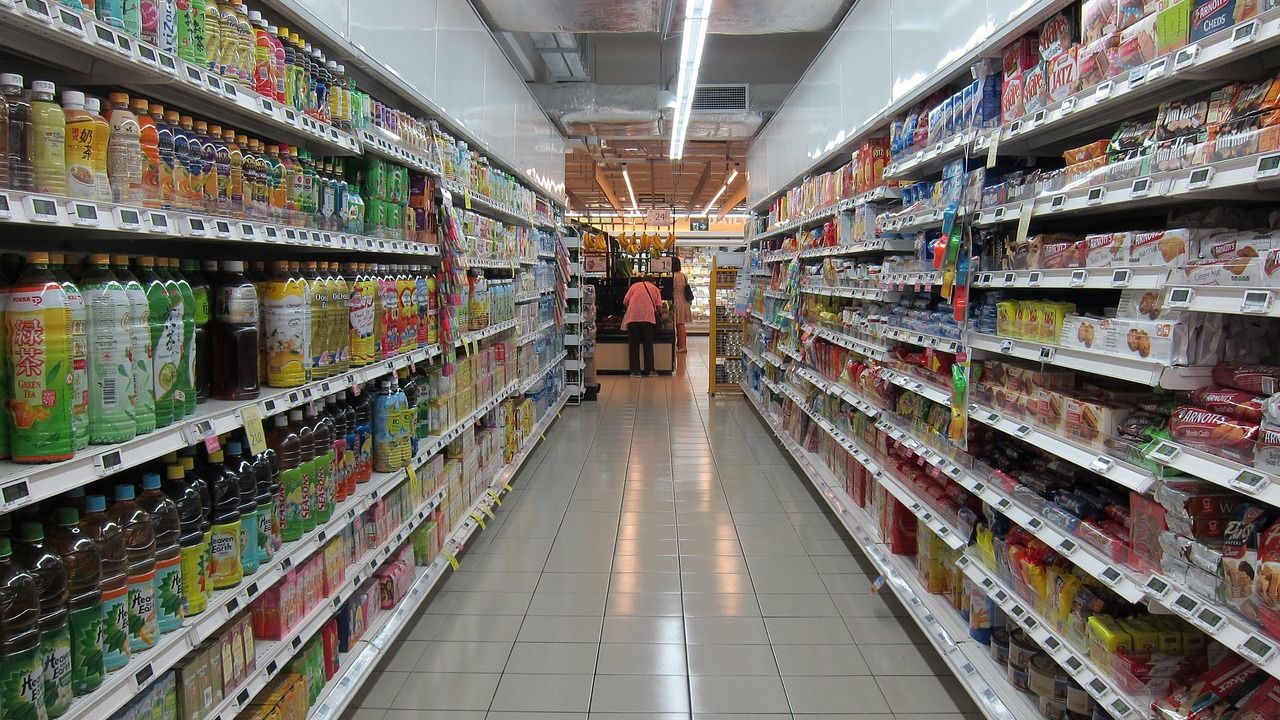
Store brands, sometimes called private labels, are often made in the same factories as name brands and can cost noticeably less. For basics like flour, sugar, canned vegetables, frozen fruit, milk, pasta, rice and cleaning supplies, many people cannot tell the difference.
Try the store brand version of the items you buy most often. If you do not like one, go back to the name brand, but you will likely find several that you prefer to keep. Many store brands come with a satisfaction guarantee, so ask for a refund if you are disappointed.
3.Compare the Unit Price
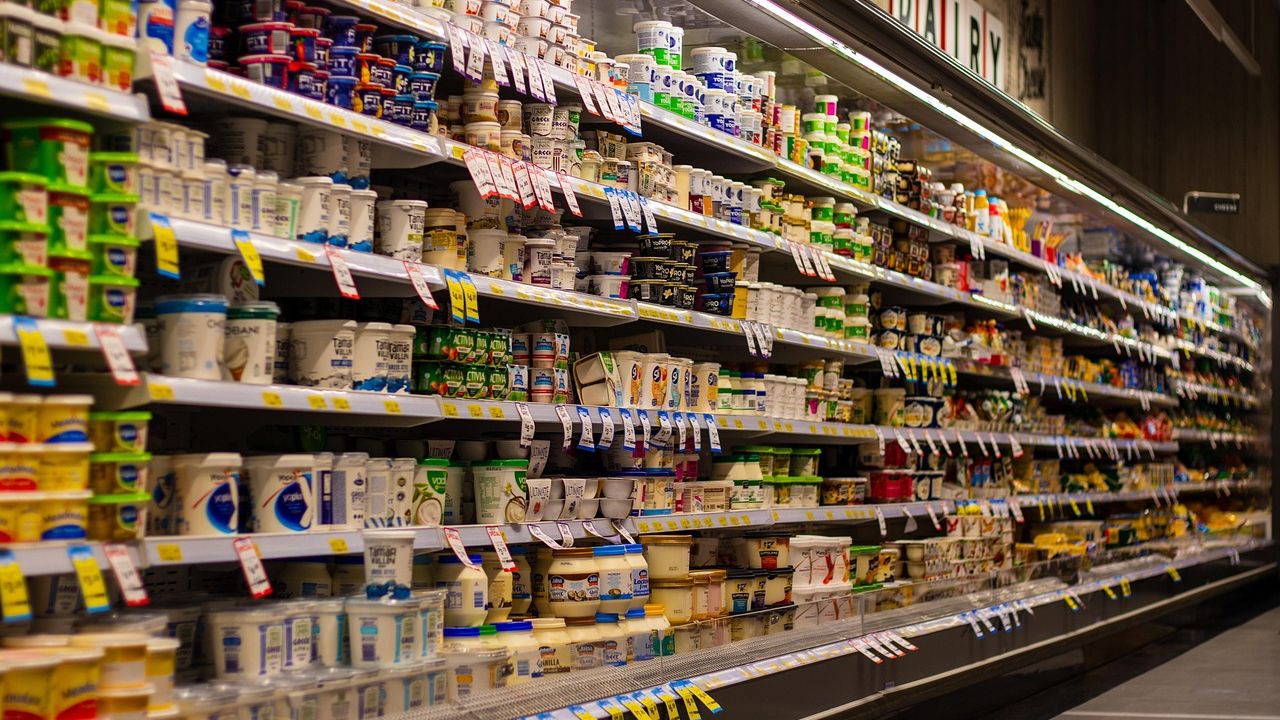
The shelf tag at most grocery stores shows a unit price, such as the price per ounce or per pound, in small print. It lets you compare different sizes and brands fairly. The bigger package is usually cheaper per ounce, but not always, especially when the smaller one is on sale.
Bring your reading glasses to see the small print. Remember that bulk is only a bargain if you will use it before it spoils. For a household of one or two, a large package of something perishable can end up costing more if half of it goes in the trash.
4.Shop the Sales Cycle
Grocery stores put different items on sale in a regular cycle, often every few weeks. When a staple you use often, like coffee, canned tomatoes, peanut butter or chicken, is at its lowest price, buy enough to last until the next sale.
Look at the store's weekly ad, in the paper, online or in the store's app, before you shop. Holiday sales are predictable too: baking supplies before Thanksgiving and Christmas, and grilling items around summer holidays. Stocking up only on what you will really use keeps the savings real.
5.Use the Store's Free Loyalty Program

Most grocery chains offer free loyalty programs with lower member prices, digital coupons and fuel discounts. You can sign up at the register with your phone number, and the savings apply automatically when you check out.
Many stores also have apps with digital coupons you can load with a tap, which is far easier than clipping paper coupons. If smartphones are not your thing, ask a grandchild to help set it up, or ask at customer service. Some stores also offer a senior discount day once a week.
Page 1 of 3