
12 Smart Ways to Save on Your First Cruise After 60
This article is general information. Prices, rules and coverage change, so confirm details with your cruise line, airline, resort or insurer before you book. How we check facts.
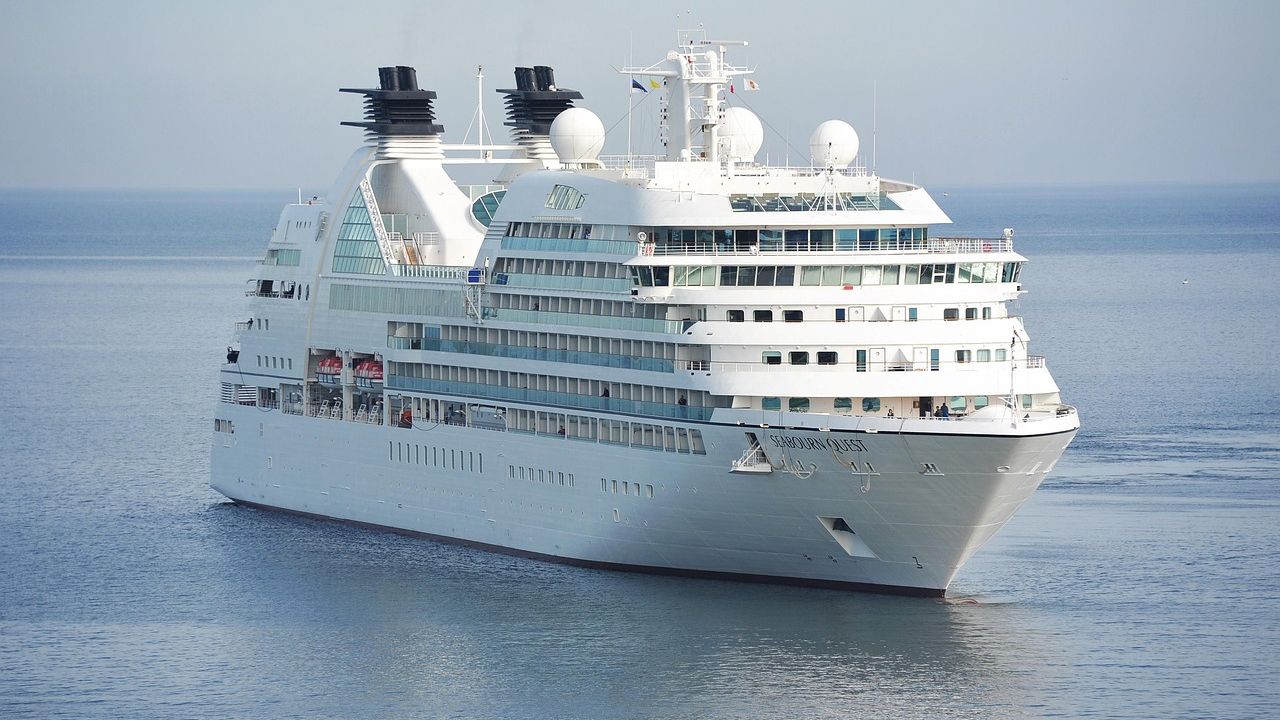
A cruise can be one of the best values in travel, especially once you stop working and can sail outside the busiest weeks. Your cabin, meals and entertainment are bundled into one fare, you unpack only once, and you wake up in a new port without the hassle of airports or rental cars.
The trick is knowing where the extra costs hide. The advertised fare is only the starting point, and first-time cruisers are often surprised by what the final bill looks like once drinks, tips, Wi-Fi and excursions are added.
These twelve tips cover the biggest ways to save, from when you sail to what you pack, so more of your budget goes toward the experiences you will remember.
1.Sail in Shoulder Season

Cruise fares follow the school calendar. Prices are usually highest during summer vacation, spring break and the winter holidays, when families travel, and lowest when school is in session.
Late spring and early fall, often called shoulder season, can bring good weather, fewer crowds and noticeably better prices. September and October are popular for Europe and New England, while the Caribbean has many bargains in late fall and early December. Keep in mind that the Atlantic hurricane season runs from June through November, so travel insurance and flexible plans matter.
2.Look at Repositioning Cruises
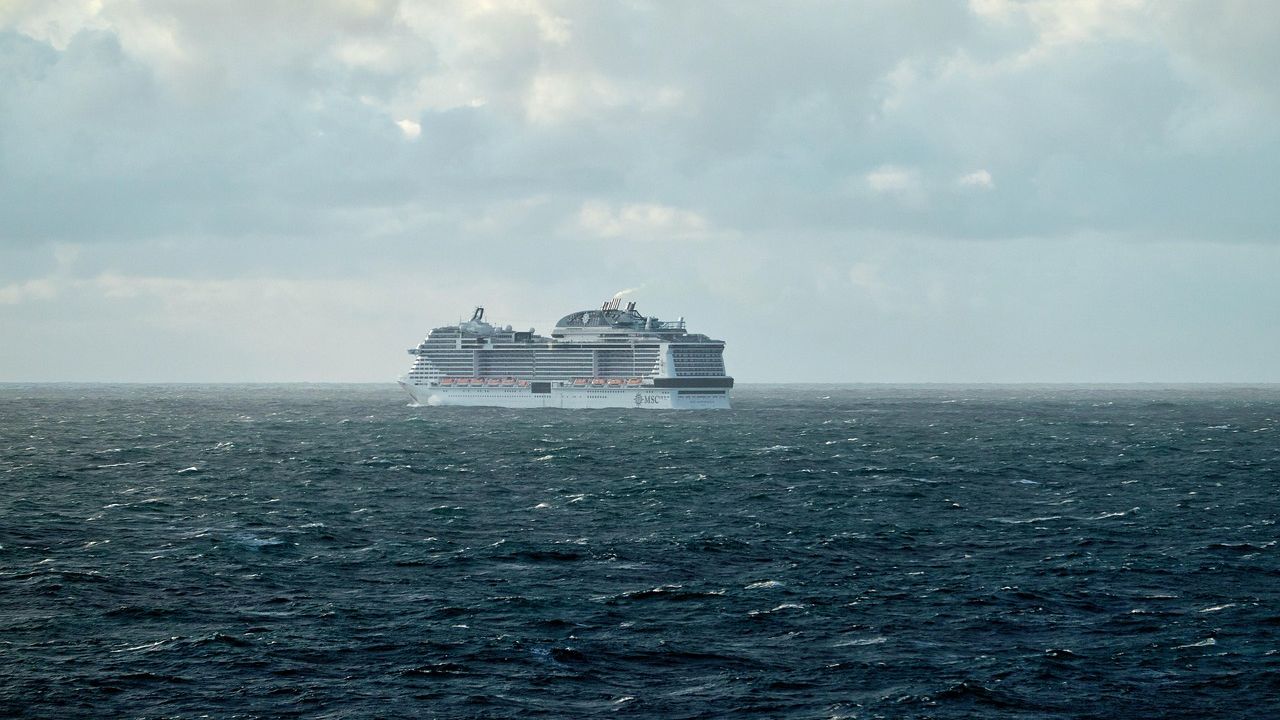
Twice a year, many ships move between regions, for example from the Caribbean to Europe in spring or from Alaska to the West Coast in fall. These one-way voyages, called repositioning cruises, are often sold at a low price per night because they are longer and do not return to the same port.
Expect plenty of relaxing sea days, which are perfect for reading, lectures, spa time and getting to know fellow passengers. Remember to budget for a one-way flight home, and check passport and visa requirements for the countries you will visit.
3.Choose an Inside Cabin

If you mostly use your cabin to sleep and change, an inside cabin without a window can cost far less than a room with a balcony, sometimes hundreds of dollars less per person on a week-long cruise. Inside cabins are also very dark at night, which some people find great for sleeping.
Consider spending the difference on an excursion you will remember, a specialty dinner or an extra night in port before the cruise. If you are prone to seasickness, choose a cabin on a lower deck and toward the middle of the ship, where motion is felt least.
4.Drive to the Port

Cruises leave from many US ports, including Florida, Texas, Maryland, New York, New Jersey, Louisiana, Washington and California. Driving to a nearby port can save the cost of flights and a hotel night, and you can pack more freely without worrying about airline baggage fees.
Compare the cost of port parking with a taxi or shuttle from home, and look for park-and-cruise hotel packages that include parking for the length of your trip. If you do fly in, arrive at least the day before your cruise, since a delayed flight on embarkation day can mean missing the ship.
5.Ask About Senior Fares

Some cruise lines offer special rates for guests 55 and older on selected sailings, usually for at least one person in the cabin. These fares are often listed under a separate senior or 55-plus option when you search on the cruise line's website.
They are not always the cheapest option, so compare them with regular promotions, which may include perks like onboard credit or free drinks. Ask about past passenger discounts too if you have sailed with the line before, and about rates for residents of certain states, which some lines offer.
Page 1 of 3