
10 Old-Fashioned Cleaning Tricks That Still Work
 By Tonya Rakhtorina
Published
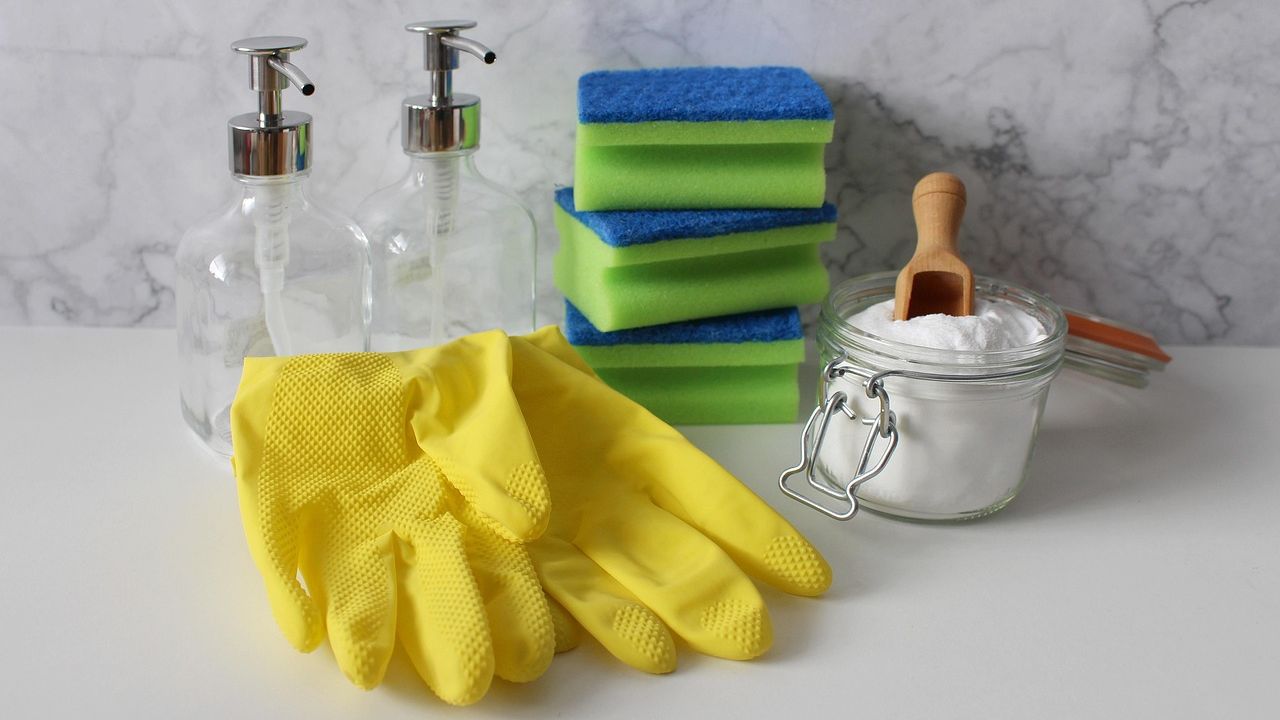
Before store shelves filled with a different spray for every surface, households kept a few basic ingredients on hand, vinegar, baking soda, lemons, salt, and cleaned almost everything with them. Our mothers and grandmothers knew exactly which one to reach for, and they passed those tricks down along with family recipes.
Many of those methods still work beautifully today. They cost very little, use ingredients you probably already have, and avoid harsh fumes. Here are ten that have stood the test of time, plus the one safety rule every household should know.
A word of caution: test any method on a small, hidden spot first, especially on natural stone, wood finishes and delicate fabrics, and follow the care labels on clothing and furniture.
1.Vinegar for Windows and Mirrors
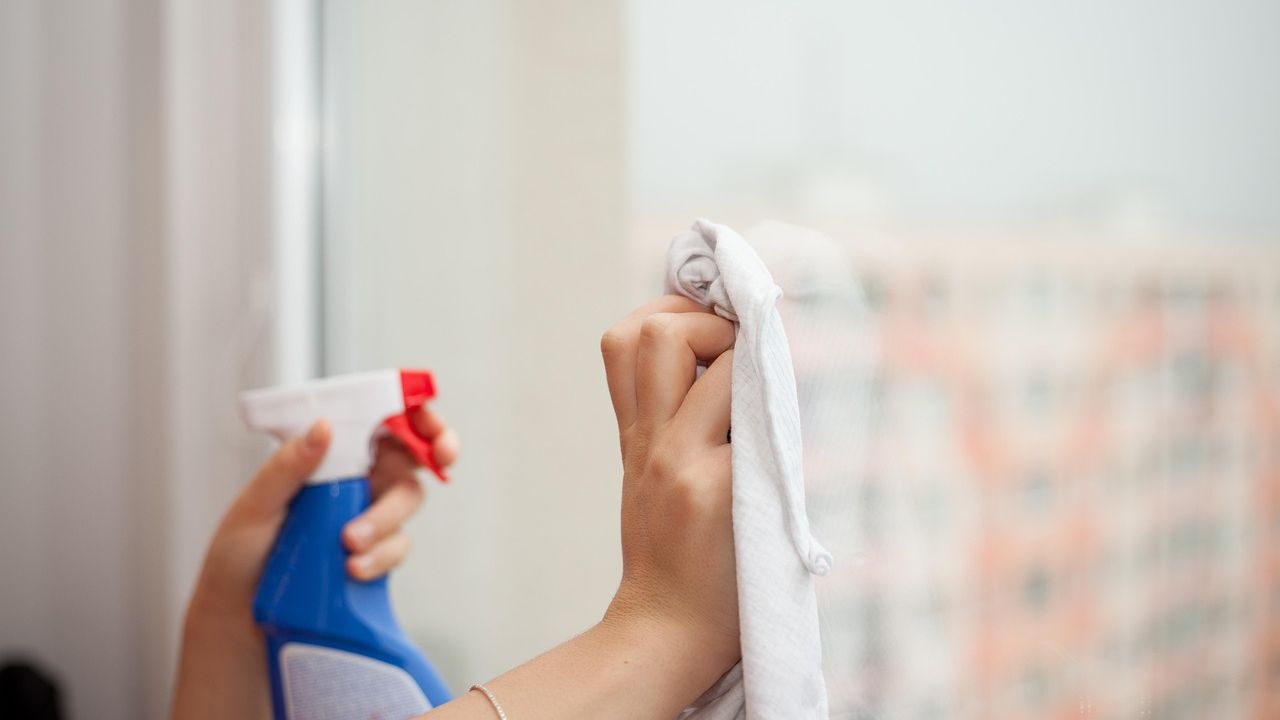
Mix equal parts white vinegar and water in a spray bottle for a simple, inexpensive glass cleaner. Vinegar's mild acidity cuts through fingerprints, hard water spots and the film that builds up on windows and mirrors.
Grandma wiped her windows with crumpled newspaper, which leaves no lint. Today, a microfiber cloth gives the same streak-free shine and can be washed and reused. Clean windows on a cloudy day or in the shade, since bright sun dries the cleaner too fast and leaves streaks. Do not use vinegar on natural stone like marble or granite, which it can etch.
2.Baking Soda Paste for Sinks
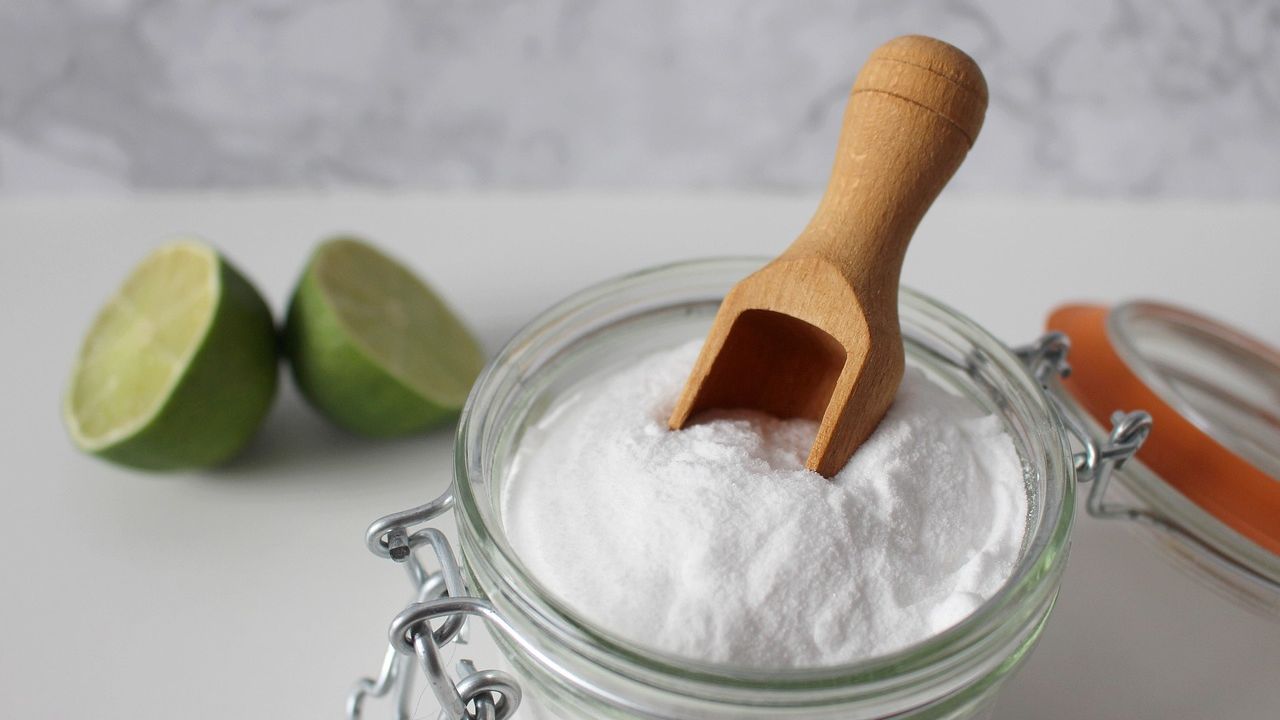
A paste of baking soda and a little water lifts stains from sinks, stovetops, bathtubs and baking dishes. Baking soda is a mild abrasive, so it scrubs gently without scratching most surfaces, and it helps neutralize odors at the same time.
Spread the paste on the stain, let it sit for a few minutes, then scrub with a damp sponge and rinse well. For burned-on food in a baking dish, sprinkle baking soda over the bottom, add a little hot water and let it soak overnight. It works well on stainless steel sinks and porcelain too.
3.Lemon and Salt for Wooden Boards
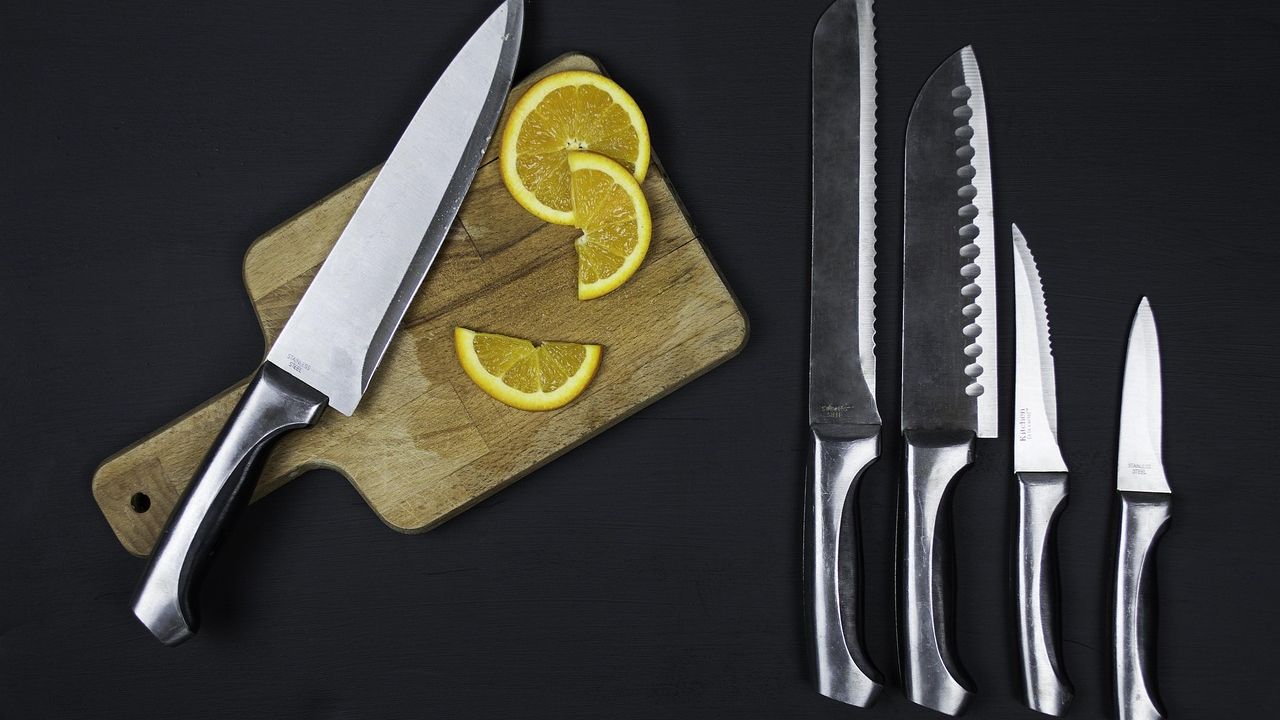
Wooden cutting boards can pick up stains and odors from onions, garlic and fish. To freshen one, sprinkle coarse salt over the surface and scrub it with the cut side of half a lemon, squeezing gently as you go. The salt acts as a scrubber and the lemon juice helps lift stains and odors.
Rinse with warm water, dry the board well standing on its edge, and the board will smell fresh again. Never soak a wooden board or put it in the dishwasher, which can crack it. Rub it with food-grade mineral oil every month or so to keep it from drying out.
4.Steam Clean the Microwave
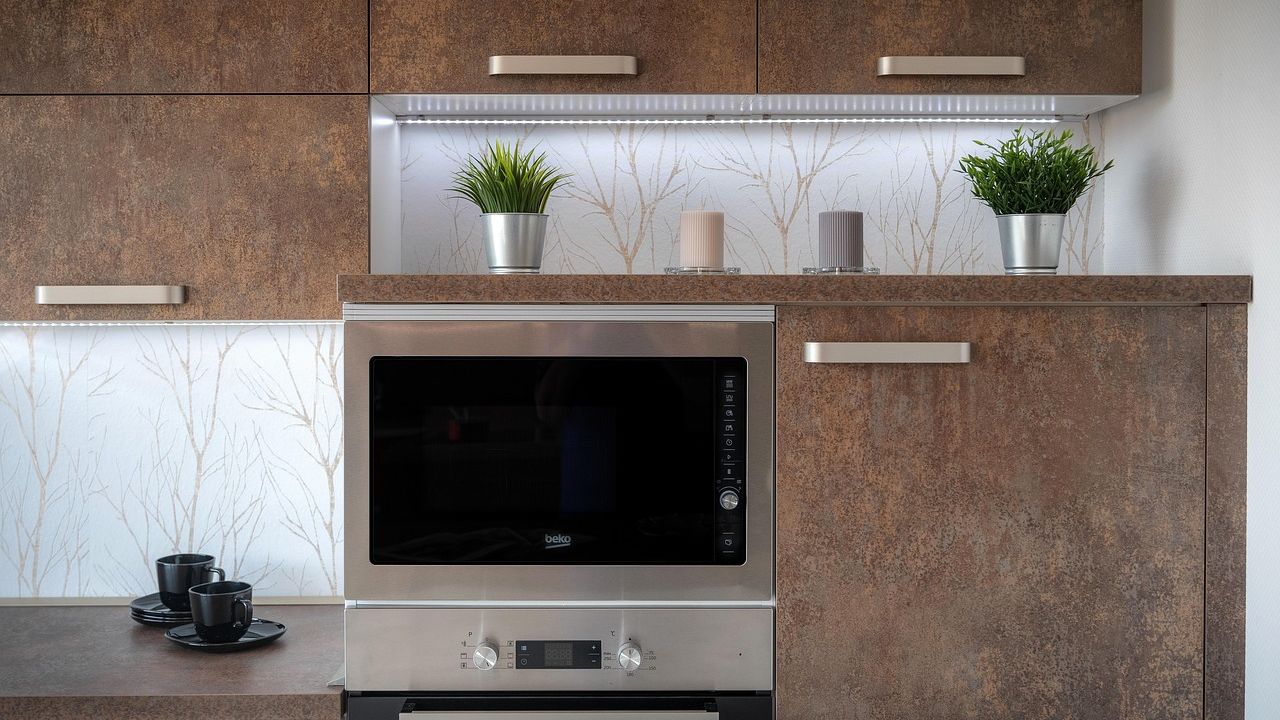
Heat a microwave-safe bowl of water with a few lemon slices or a splash of vinegar for about three minutes, until it boils and the window steams up. Then leave the door closed for a few more minutes so the steam can soften the mess.
Dried-on splatters will wipe right off with a damp cloth or sponge, without scrubbing or harsh chemicals. The lemon also leaves a pleasant, fresh smell. Be careful when removing the bowl, since the water will be very hot. Put a wooden spoon or chopstick in the bowl to help prevent the water from boiling over suddenly.
5.Cold Water for Blood Stains
Always rinse blood stains with cold water, never hot. Heat sets the protein in blood into the fabric, making the stain much harder to remove, while cold water helps lift it out.
Rinse from the back of the fabric so the stain is pushed out rather than deeper in. For stains that remain, gently rub in a little liquid laundry detergent or dish soap, let it sit, then rinse again in cold water. Check that the stain is gone before putting the item in the dryer, since dryer heat can set any stain permanently.
Page 1 of 2