
12 Ways to Stay Warm at Home and Lower Your Heating Bill
 By Tonya Rakhtorina
Published
This article is general information, not financial or legal advice. Prices, rules and offers change, so check with the provider or the official source before you decide. How we check facts.

As we get older, many of us feel the cold more than we used to. At the same time, heating is one of the largest bills in many households, and on a fixed income a cold snap can cause real worry. Too many people end up turning the heat down too low and simply putting up with a chilly house.
It does not have to be either/or. Most homes lose heat in a few predictable places, and many of the fixes are simple and inexpensive. Below are twelve ways to keep warm and spend less, starting with the cheapest. One important note: staying warm matters for your health, so never let your home get uncomfortably cold to save money. Help is available if bills are hard to pay.
1.Find and Seal the Drafts
Small gaps around windows, doors, outlets and baseboards let warm air out and cold air in. On a windy day, hold a lit incense stick or a thin piece of tissue near the edges of windows and doors. If the smoke or tissue moves, you have found a draft.
Weatherstripping for doors and windows and a tube of caulk for small cracks are inexpensive at any hardware store, and many are easy to install. Foam gaskets behind outlet covers on outside walls help too. Sealing drafts is one of the most cost-effective ways to make a home feel warmer.
2.Use a Door Draft Stopper
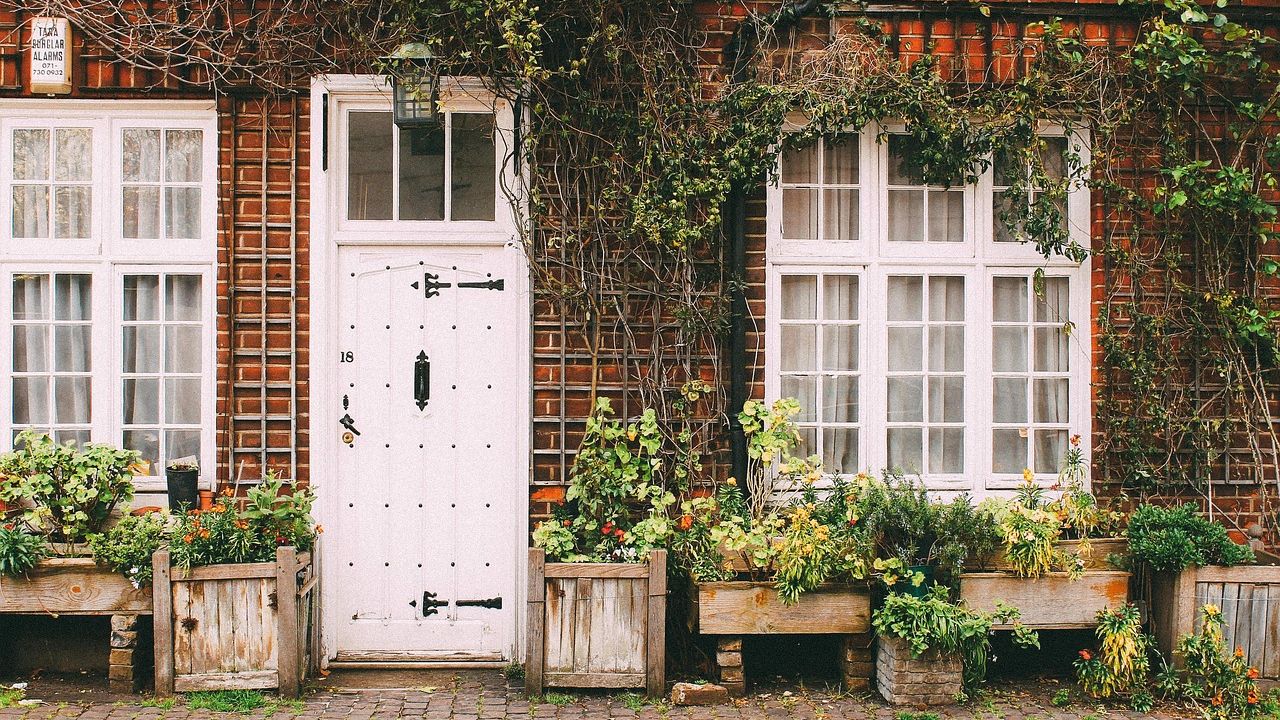
The gap at the bottom of an outside door can let in a surprising amount of cold air. A simple draft stopper, sometimes called a door snake, lies along the bottom of the door and blocks it. You can buy one or make your own from a rolled towel or a fabric tube filled with rice or sand.
For a longer-term fix, a door sweep attaches to the bottom of the door. Be careful that draft stoppers do not become a tripping hazard. Choose one that attaches to the door so it moves with it, rather than one lying loose on the floor.
3.Turn Down the Thermostat at Night
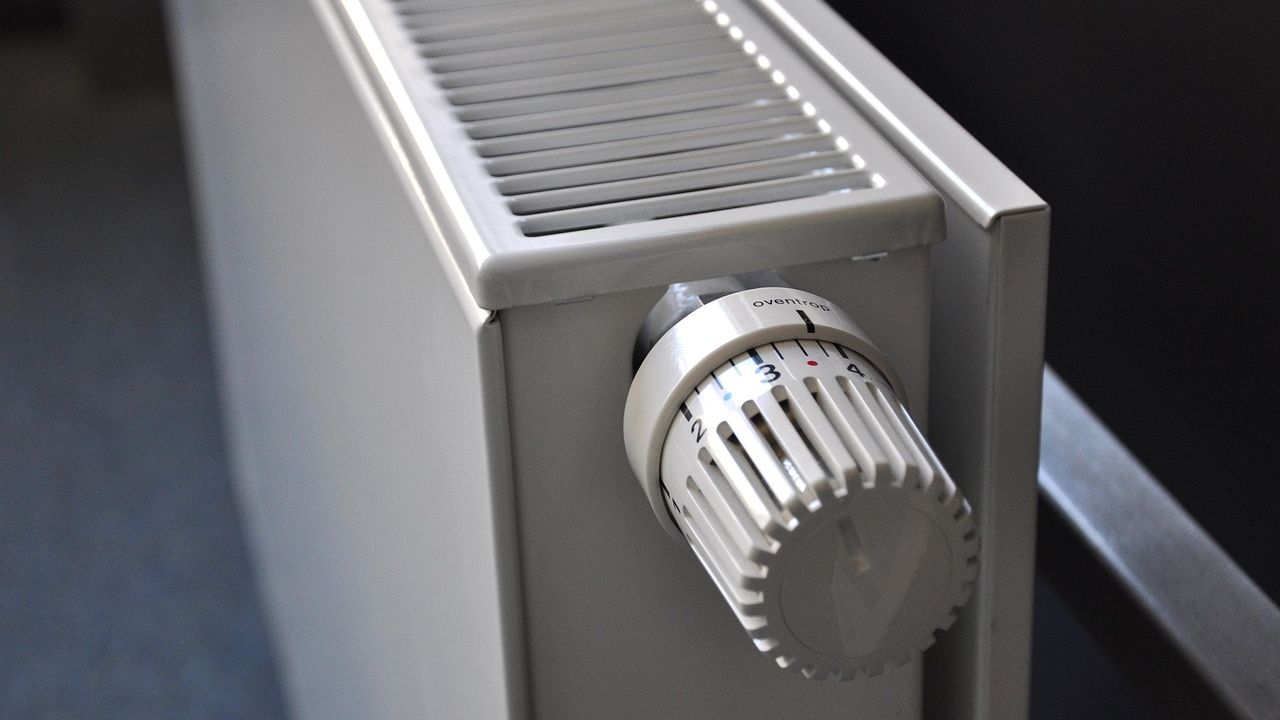
According to the U.S. Department of Energy, you can save money on heating by turning your thermostat back several degrees for about eight hours a day, such as while you sleep under warm blankets. A programmable or smart thermostat does this automatically.
Do not turn the heat down too far, though. Older adults are more vulnerable to the cold, and a home that is too chilly can be dangerous. Many health organizations suggest keeping living areas at a comfortable temperature, generally no lower than the upper 60s Fahrenheit. Ask your doctor what is right for you.
4.Open Curtains by Day, Close Them at Night

Sunlight is free heat. On sunny winter days, open the curtains and blinds on south-facing windows and let the sun warm your rooms. As soon as the sun goes down, close them to hold the heat in.
Heavy or insulated curtains make a real difference, especially on older windows. Hang them close to the window and let them reach the floor. Clear plastic window insulation kits, applied with a hair dryer, are another cheap way to add a layer of protection on drafty windows for the winter.
5.Reverse Your Ceiling Fans
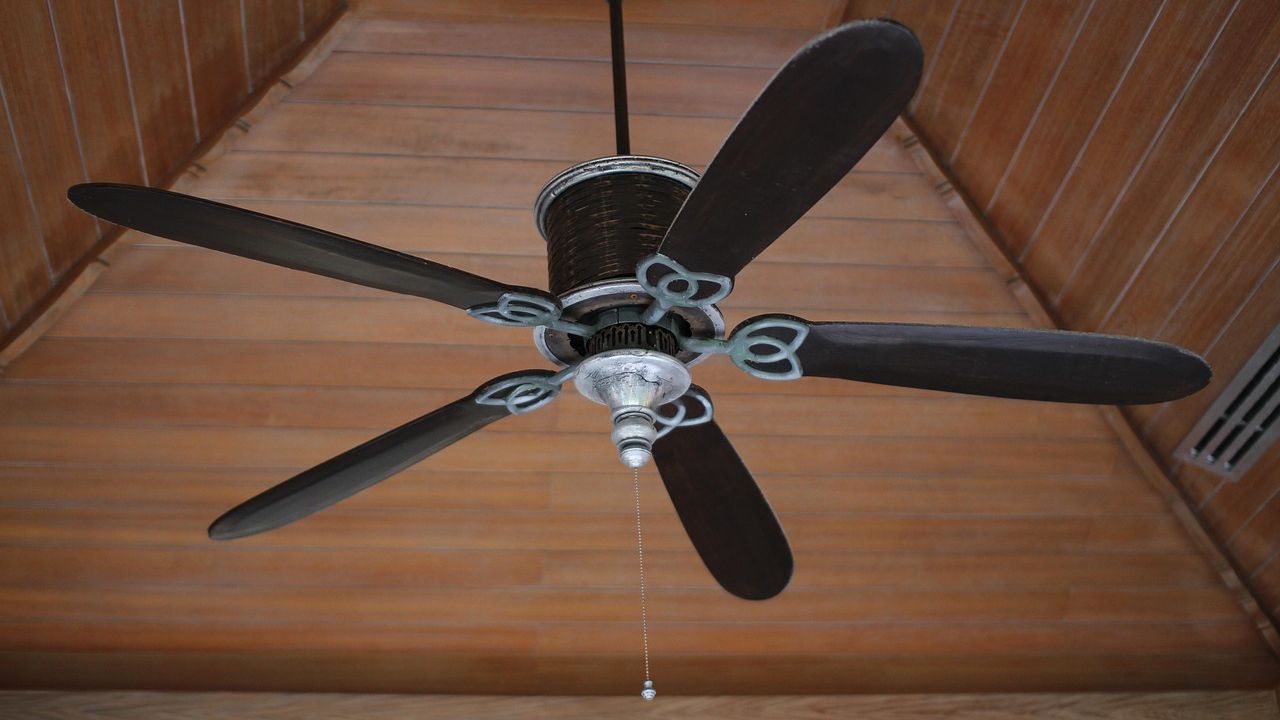
Warm air rises and collects near the ceiling. Most ceiling fans have a small switch on the motor housing that reverses the direction of the blades. In winter, set the fan to turn clockwise at a low speed, which gently pushes warm air back down along the walls without creating a chilly breeze.
This is especially helpful in rooms with high ceilings. Turn the fan off when you leave the room. Ask a family member or neighbor for help reaching the switch if you would need a ladder. Never climb when you are home alone.
Page 1 of 3