
12 Hobbies Worth Picking Up After Retirement
 By Tonya Rakhtorina
Published
Retirement brings something many of us have not had in decades: free time. At first it feels like a long vacation. After a few months, though, many people find they miss the structure, the sense of purpose and the daily conversations that came with work.
Filling that time with an activity you love is good for your mood, your health and your social life. Hobbies that get you moving, keep you learning or bring you together with other people are especially valuable. The twelve below are easy to start, do not require expensive gear, and have welcoming communities of beginners in most towns.
1.Birdwatching
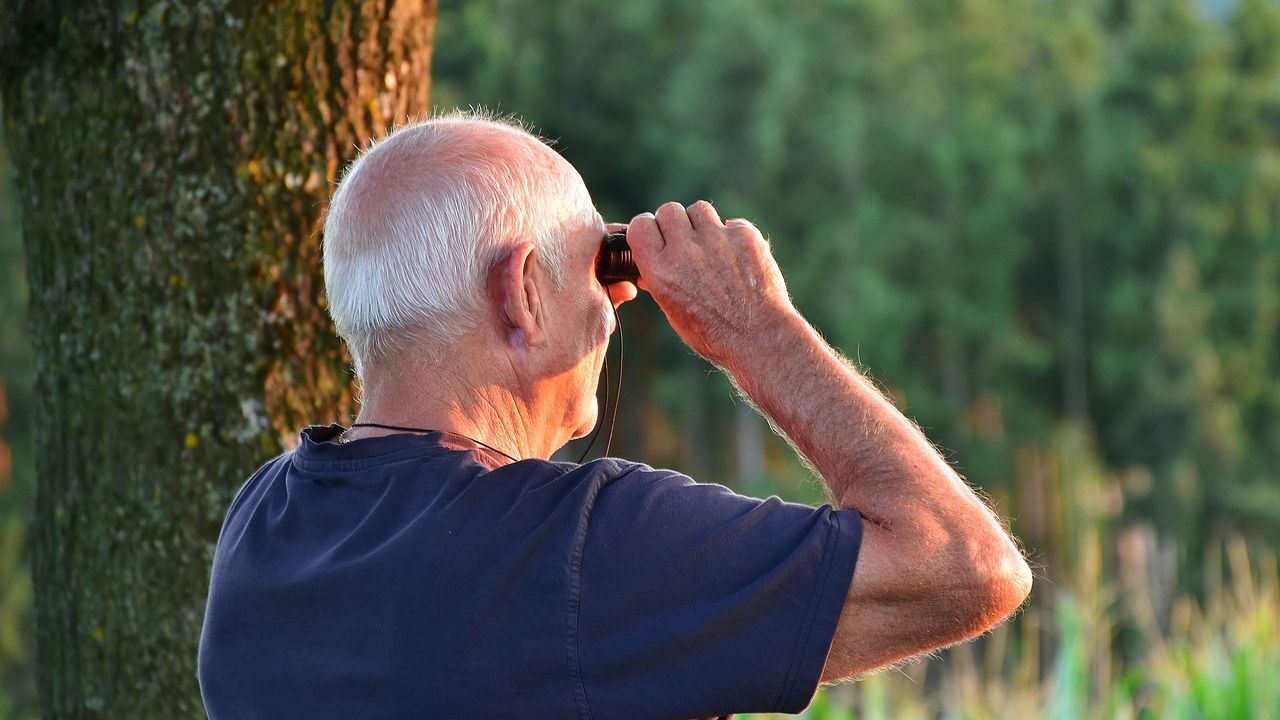
All you need to start birdwatching is a pair of binoculars and some patience. Watching birds at a backyard feeder, in a city park or along a lake gets you outdoors, sharpens your attention and has a wonderfully calming effect.
Free apps like Merlin Bird ID from the Cornell Lab of Ornithology can identify birds from a photo or even by their song. Keep a simple list of the birds you see, and you will be surprised how quickly it grows. Many local Audubon chapters and nature centers offer free guided bird walks for beginners.
2.Gardening
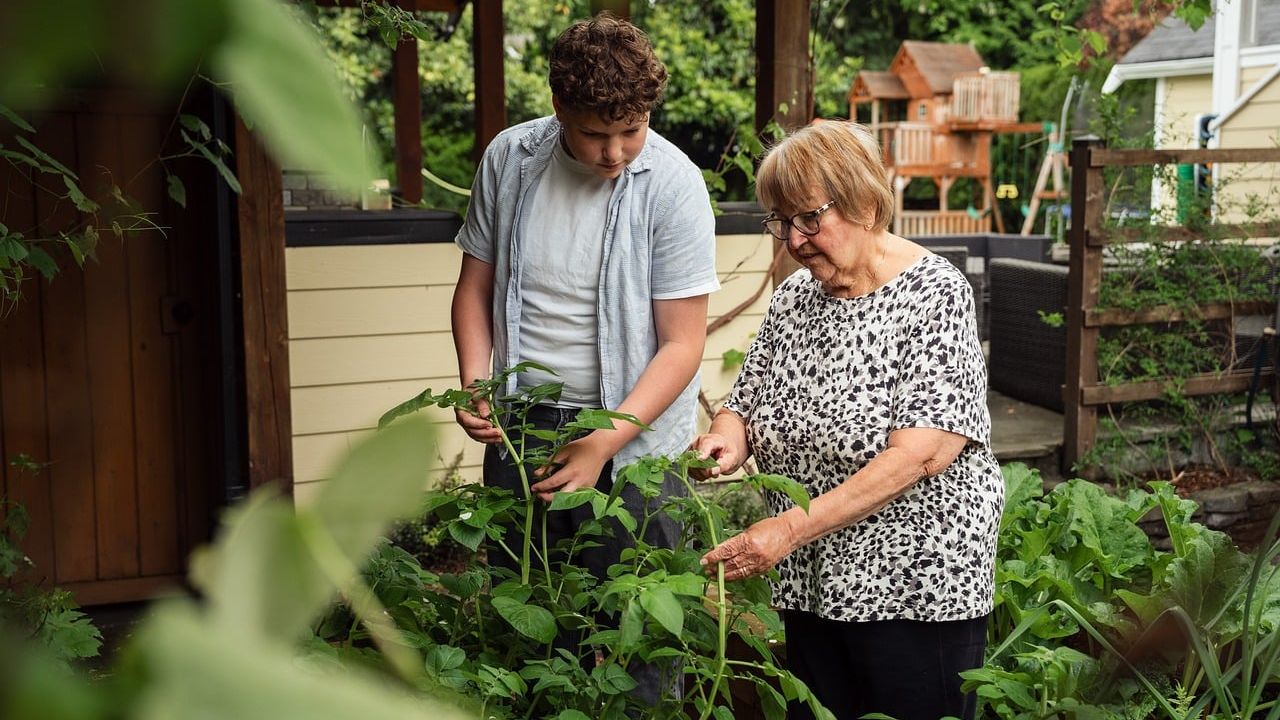
Whether it is a few pots of herbs on a balcony, a raised bed in the backyard or a plot at a community garden, growing your own vegetables and flowers gets you outdoors and moving. Digging, planting, weeding and watering are gentle exercise that builds strength and flexibility.
Raised beds and container gardens are easier on the back and knees. Start small with easy plants like tomatoes, lettuce, herbs and marigolds. Your local extension office, often connected to a state university, offers free advice and master gardener classes. Community gardens are a great way to meet neighbors too.
3.Family History
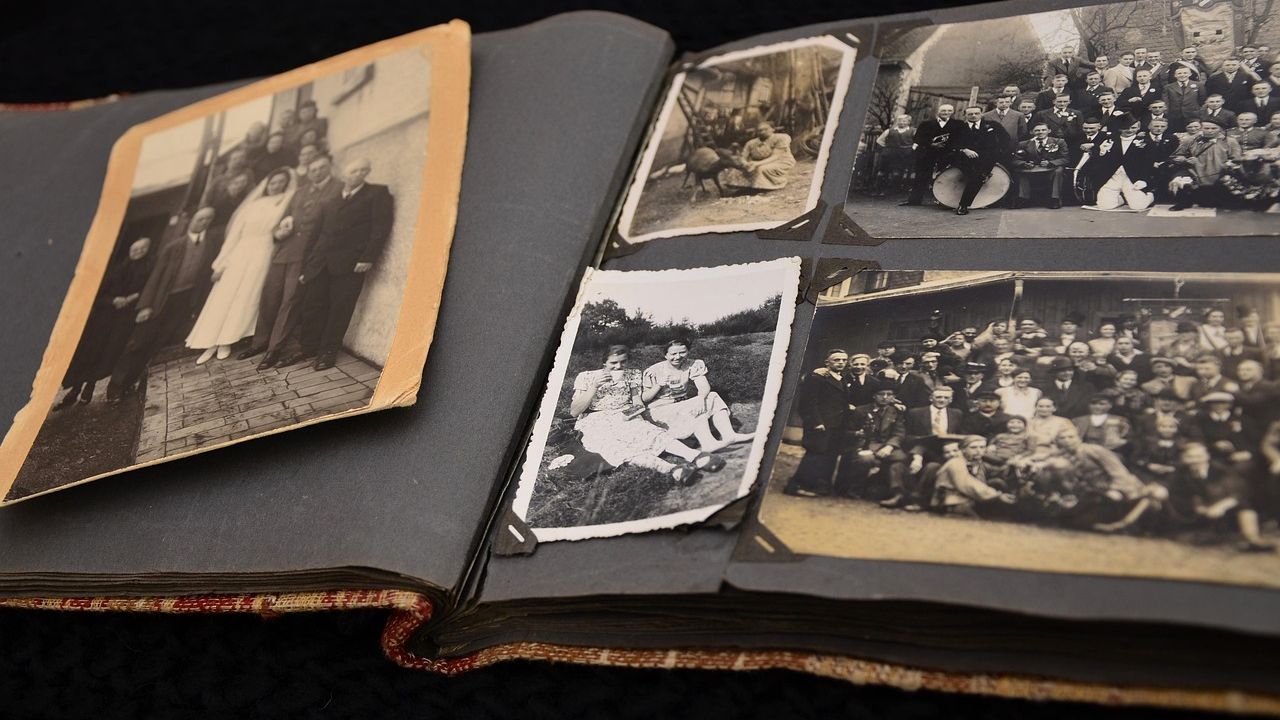
Tracing your ancestors is like solving a mystery, one clue at a time. You may discover where your family came from, how they lived and stories that were nearly forgotten. It is also a wonderful gift to leave for children and grandchildren.
Start with what you know: write down names, dates and places, and talk to older relatives while you can. Free resources such as FamilySearch, census records and your local library can help you go further. Many libraries offer free access to genealogy databases and have volunteers who help beginners.
4.Watercolor Painting

Watercolors need little space and modest supplies: a small set of paints, a few brushes and some watercolor paper. You can paint at the kitchen table and clean up in minutes. Painting focuses the mind and can be deeply relaxing.
Many community centers, libraries and art supply stores offer beginner classes, and there are countless free video tutorials online. Nobody expects a masterpiece. Start with simple subjects like a piece of fruit, a flower or a sky, and enjoy watching your skills grow. Painting groups are also a lovely way to make friends.
5.Woodworking
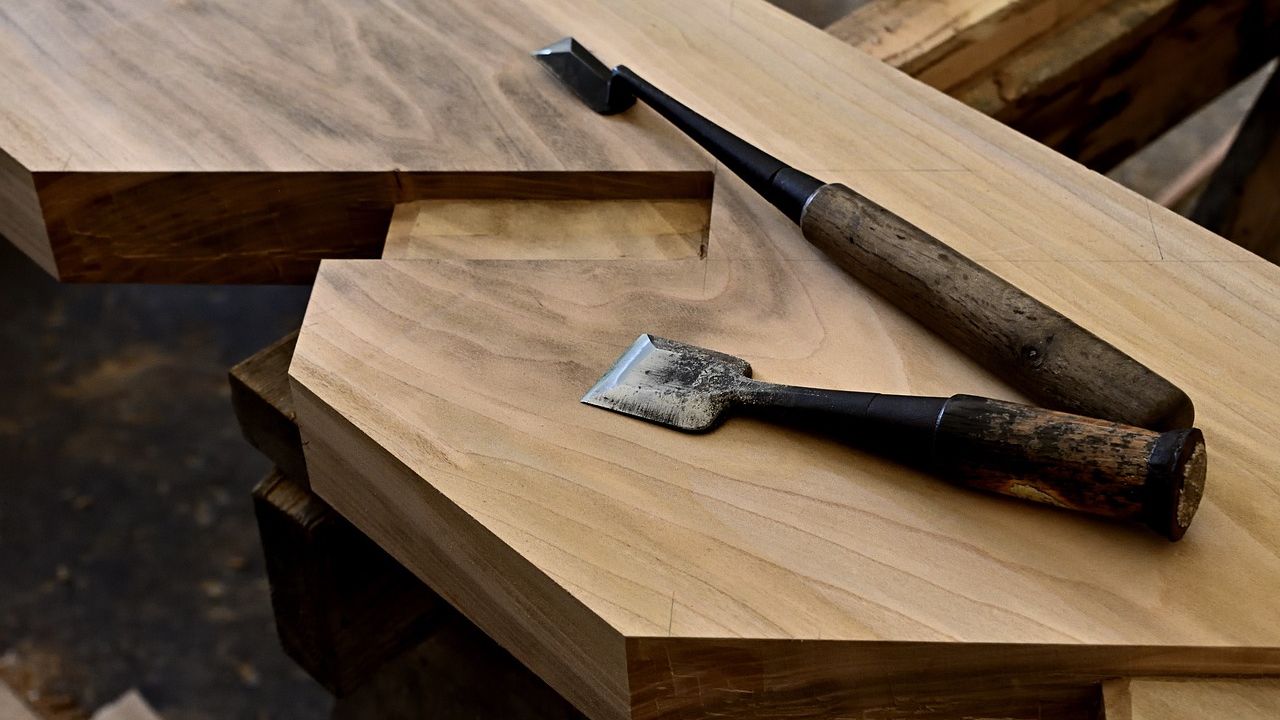
Building a birdhouse, a bench, a cutting board or a wooden toy for a grandchild is deeply satisfying. Woodworking combines planning, problem-solving and working with your hands, and you end up with something useful you made yourself.
Look for a community workshop, a makerspace or a beginner class at a community college or hardware store, where you can learn tool safety first and use equipment you may not want to buy. Start with simple projects and hand tools. Always wear eye and ear protection, and never rush when using power tools.
Page 1 of 3