
10 Ways to Downsize Your Home Without Regret
 By Tonya Rakhtorina
Published

Whether you are moving to a smaller house, a condo, an apartment near the children or a retirement community, downsizing is one of the biggest projects many of us will take on after 60. A home holds decades of furniture, papers, photos, tools and memories, and deciding what comes along can feel overwhelming.
Done well, though, downsizing can feel like a fresh start. Less to clean, less to maintain and less to worry about, plus the chance to pass treasured things on to people who will enjoy them now. The ten ideas below come from people who have been through it and from professionals who help families move every week.
1.Start Earlier Than You Think
Sorting a lifetime of belongings takes months, not weeks. Every drawer holds decisions, and many of them come with memories that deserve a moment of attention. Trying to do it all in the last few weeks before a move leads to rushed choices, exhaustion and regret.
If you think a move is coming in the next year or two, start now, even if you only spend an hour or two a week. Work on one drawer, one shelf or one closet at a time. Starting early lets you make thoughtful choices, sell items for a fair price instead of in a hurry, and give family time to collect what they want.
2.Begin With the Easiest Room

Start in a linen closet, a garage, a laundry room or a guest room where you have few emotional ties. Sorting towels, old paint cans and extra kitchen gadgets is much easier than sorting wedding photos or a late spouse's clothes.
Early success builds momentum and confidence. Once you see a cleared shelf or an empty corner, the bigger and more personal rooms feel more manageable. Save the most sentimental spaces, like the attic boxes or the den full of keepsakes, for later, when you have practiced making decisions and know what you will have room for.
3.Measure Your New Space
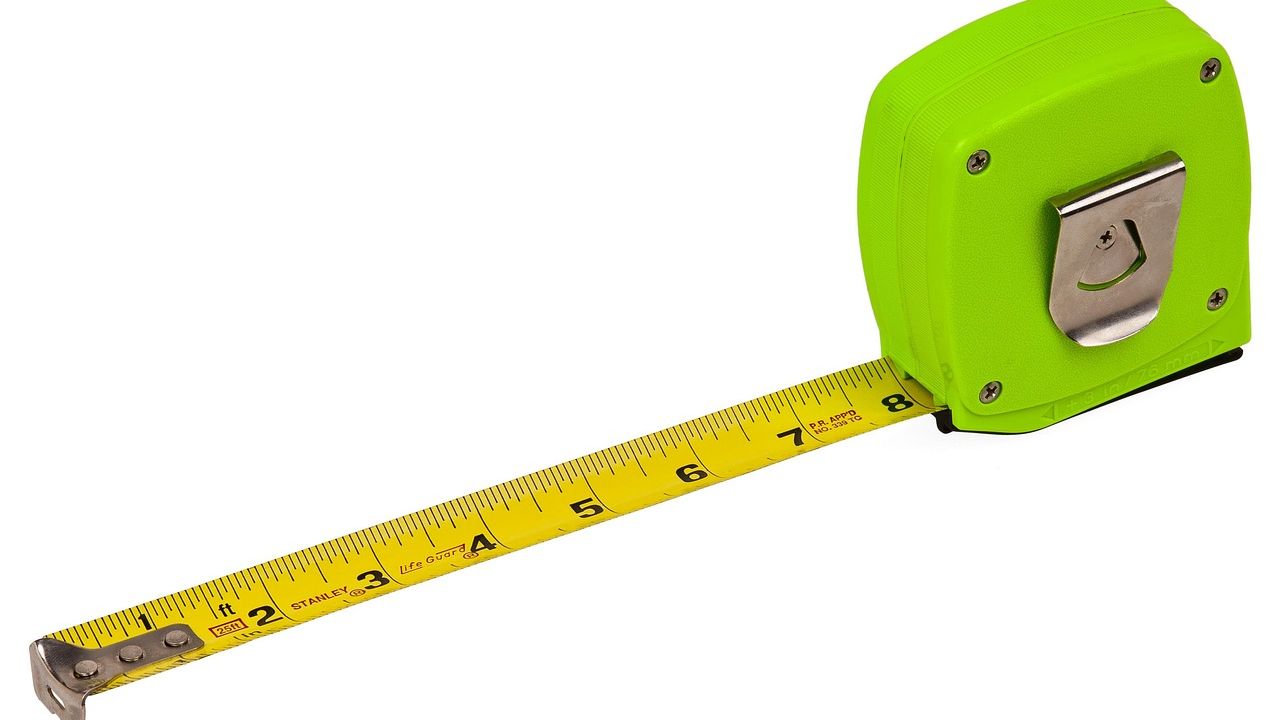
Get a floor plan of your new home, with measurements, from the builder, landlord or community. Then measure your largest pieces of furniture: the sofa, the dining table, beds, dressers and bookcases. Note the size of closets and kitchen cabinets too.
Knowing exactly what will fit makes many decisions for you. If the new dining area seats four, the table for ten can go to a family member. Some people sketch the new rooms on graph paper or use a free online room planner. Bring only what fits comfortably, leaving space to walk around safely.
4.Use Four Piles

Set up four clear categories: keep, give to family, donate or sell, and throw away or recycle. Label boxes or areas of a room for each one. Make a decision for every item you touch, even if it is a hard one.
Avoid a "maybe" pile, which tends to grow and never shrink. If you are truly unsure about an item, ask yourself whether you have used it in the last year and whether you would buy it again today. Take full boxes out of the house regularly, so the progress is visible and you are not tempted to unpack them.
5.Ask Family With a Deadline

Ask children and grandchildren which items they truly want, and give them a deadline for pickup or shipping. Many parents are surprised to learn that their children do not want the china, the formal furniture or the collections, but treasure small, personal things like a recipe box, a watch or a holiday ornament.
Do not take it personally if they say no. Homes and tastes have changed, and many younger families have less space. A deadline keeps your home from becoming a storage unit. If several people want the same thing, consider taking turns choosing, or ask them to work it out together.
Page 1 of 2