Chasing a Better Savings Rate? 10 Checks Before You Move Your Money
6.Read the Rate Fine Print

A headline rate can hide conditions. Some accounts pay the top rate only on balances up to a certain amount, or only if you make a set number of debit card purchases each month, or only for an introductory period of a few months before the rate drops.
Savings account rates are also variable, which means the bank can lower them at any time, usually when the Federal Reserve cuts interest rates. That is normal, but it means today's rate is not a promise. Check for monthly fees, minimum balance requirements and how many withdrawals or transfers you can make each month. A slightly lower rate with no strings attached is often the better deal.
7.Consider a CD for Money You Will Not Need Soon

A certificate of deposit, or CD, locks in a fixed rate for a set term, from a few months to five years or more. If you think rates may fall, a CD protects your earnings for the whole term. CDs at insured banks have the same FDIC protection as savings accounts.
The trade-off is access. CDs are best for money you are confident you will not need before the term ends, such as savings for a car you plan to buy in two years or a cushion for property taxes due next fall. Keep your emergency fund, ideally several months of expenses, in a regular savings account you can reach any day.
8.Know the Early Withdrawal Penalty Before You Sign

If you take money out of a CD before it matures, the bank usually charges a penalty, typically a number of months of interest. Penalties vary widely from bank to bank, and on a short CD a large penalty can wipe out most of what you earned.
For example, on $10,000 in a 12-month CD paying 4 percent, you would earn about $400 over the year. A three-month interest penalty would cost about $100. Check the penalty in writing before you open the CD, and compare it as carefully as the rate. Some banks offer "no-penalty" CDs at a slightly lower rate, which can be a good middle ground. SearchForOffer explains penalties and other CD rules in its guide to CD ladders.
9.Build a Simple CD Ladder

A CD ladder spreads your money across CDs that mature at different times, so some of it becomes available regularly. For example, instead of putting $10,000 into one five-year CD, you could put $2,000 each into CDs of one, two, three, four and five years.
Each year, one CD matures. You can use the money if you need it, or reinvest it in a new five-year CD, which usually pays the highest rate. Over time you end up with all five-year rates and a CD coming due every year. Watch the calendar: many CDs renew automatically at whatever rate the bank is paying, and you often have only a short grace period, commonly seven to ten days, to move the money without a penalty.
10.Watch for Scams and Plan for Taxes
Scammers know retirees look for safe, high returns. Be wary of anyone who calls, texts or messages you about a "guaranteed" rate far above what well-known banks pay, asks you to move money quickly, or wants you to pay with gift cards, wire transfers or cryptocurrency. Open accounts only by typing the bank's address yourself, never through a link in an unexpected message.
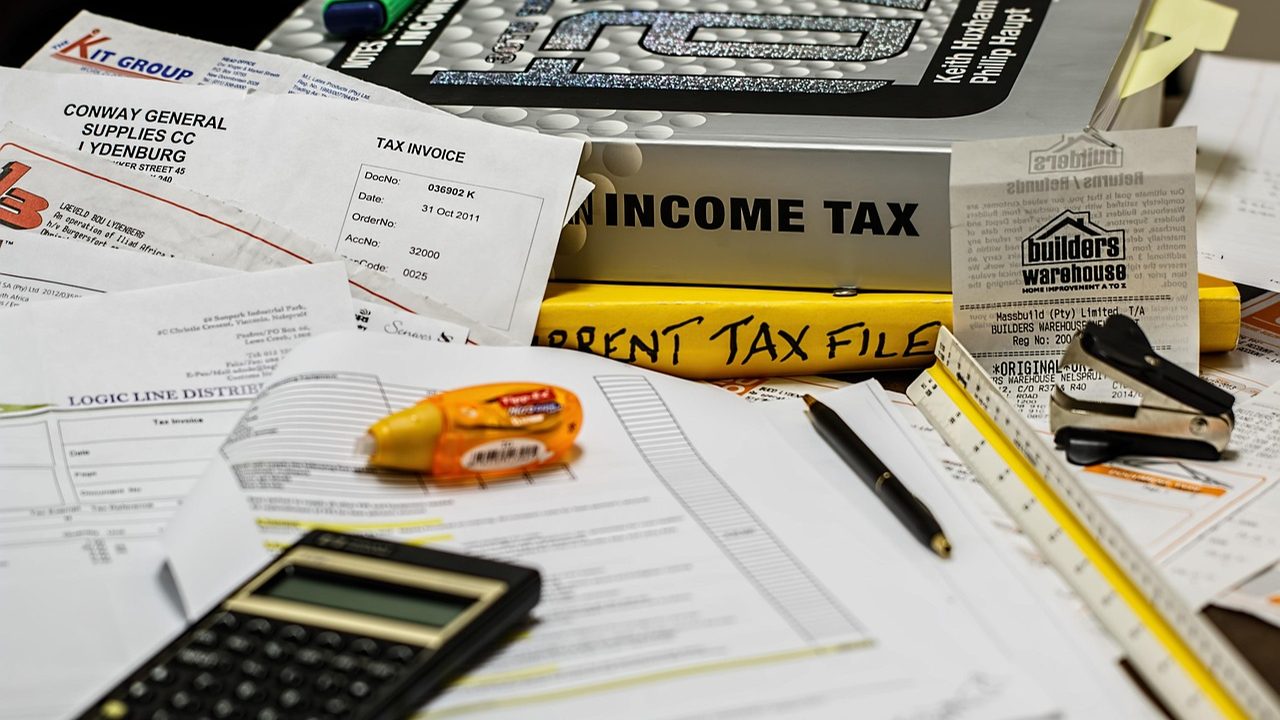
Finally, remember that interest is taxable income. Banks send Form 1099-INT for interest of $10 or more in a year, and the extra income can also affect taxes on Social Security benefits and, for some people, Medicare premiums. It is rarely a reason not to earn more, but it is worth mentioning to whoever prepares your taxes, especially in a year when your interest jumps.
Sources
This article is general information, not financial or legal advice. Prices, rules and offers change, so check with the provider or the official source before you decide. How we check facts.
Trending now